Achilles Tendonitis Exercises: Where a Real Recovery Actually Starts

What is Achilles tendonitis, really?
The wince-and-hobble walk to the bathroom every morning, the one where you’re basically Frankenstein-ing it on your heels for the first ten steps, is a scene a lot of people with a cranky Achilles will know immediately. That first-step-out-of-bed ache along the back of the heel eases up once you’ve been moving for a few minutes, then comes back with a vengeance on the stairs. It’s worth having checked by a doctor or physical therapist, since a few other conditions can cause similar heel pain and this isn’t something to self-diagnose from a symptom list. Once that’s confirmed, the exercises they walk you through, including those heel drops that sound vaguely medieval, are the centerpiece of most rehab programs: the specific, gradually increasing loading work that rebuilds the tendon over the following weeks.
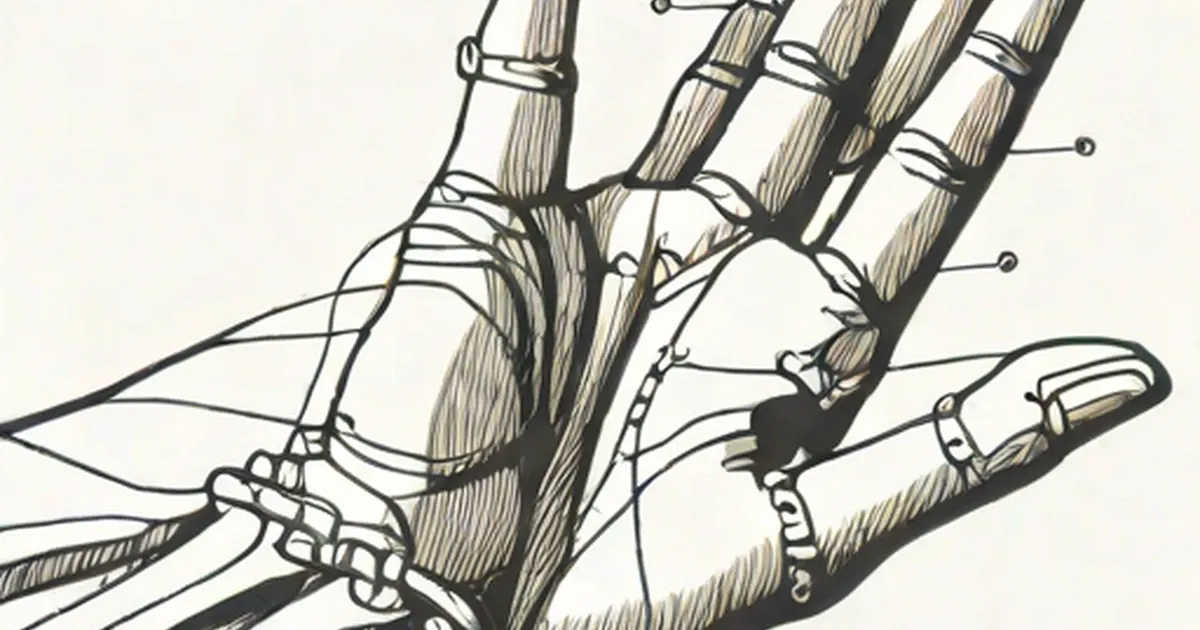
Here’s the plain-terms version of what’s going on. Your Achilles tendon is the thick rope of tissue connecting your calf muscles (the gastrocnemius, the bigger muscle you can see, and the soleus underneath it) down to your heel bone. Every time you push off to walk, climb stairs, or take the dog around the block, that tendon is transmitting a huge amount of force. It’s built for it. But like any structure under repeated load, it has a capacity. When the demand you’re putting on it outpaces what it can currently handle, the tendon starts to change. Maybe that’s a sudden increase in running mileage, a new pair of shoes, more stairs than usual, or just years of everyday wear catching up with you.
The tendon usually isn’t “inflamed” in the swollen, hot, angry sense you might picture, especially once you’re past the first week or two. Instead, the internal structure of the tendon gets disorganized. The collagen fibers that should line up neatly in parallel start to look a bit tangled under a microscope. Tiny blood vessels grow in where they shouldn’t, and the tendon often thickens as it tries to cope with the mismatch. That’s part of why a lot of clinicians have shifted toward calling this “tendinopathy” rather than tendonitis, since the tissue itself isn’t purely inflamed the way a sprained ankle is. For our purposes, and because it’s the term you searched, we’ll keep calling it tendonitis. The exercises are the same either way.
This is also why it flares specifically with activity and specifically after rest. Walk the dog, sit for an hour, then stand up, and that stiff, tight, oddly sharp pull along your heel is the tendon protesting the sudden ask after being still. It’s an incredibly common pattern, and if you’ve been quietly wondering whether you’re even allowed to keep walking the dog, the short answer is usually yes, with some adjustments, which is exactly what the next section gets into.
Why do exercises help an injured tendon? Isn’t rest better?
Every instinct you have says to stay off it. That’s the logical response to pain almost everywhere else in the body, though with a tendon, that instinct is often only part of the answer. Mainstream rehab guidance for Achilles tendonitis favors controlled, progressive loading over sitting it out. The tendon got asked for more than it was ready for, and total rest doesn’t fix that mismatch. It just delays the moment you have to deal with it, and the tendon often gets stiffer and weaker while you wait, which sets you up to re-injure it the second you go back to normal life.
Tendon tissue responds to load the way a lot of connective tissue does: controlled stress signals it to rebuild stronger and more organized. Physical therapists and sports medicine practitioners have leaned into this for years. They structure rehab around calculated doses of loading rather than immobilization, because that’s what actually nudges those tangled collagen fibers back into an orderly, load-tolerant structure. Skip that step and you can rest for months and still have a cranky tendon the first time you jog for the bus.
None of this means you should white-knuckle through your normal routine and hope for the best. There’s a real difference between “avoid all activity” and “manage the amount and type of activity while doing specific loading exercises,” and that distinction is the entire game here. Early on, especially in the first few days after a flare, the classic RICE approach (rest, ice, compression, elevation) still has a place for calming acute pain and swelling. The long-standing first-few-days approach clinicians describe, once they’ve confirmed it fits your specific case, is ice after a long walk, a compression sleeve if it helps, and elevating your foot in the evening. Just don’t mistake those short-term comfort measures for the loading work a rehab program is built around. Progressive loading is what actually reshapes the tendon, week by week, over the two or three months most people need to feel real change.
This is the part of tendon injuries that trips up almost everyone I know who’s dealt with one. You feel pain, you assume movement is the enemy, and then you’re baffled when weeks of babying it didn’t help at all. What the tendon actually needed was a specific, gradually increasing job: heavier holds, then heavier drops, dosed out week by week.
What are the main types of Achilles tendonitis exercises?
Most rehab plans for this move through a handful of exercise categories, usually in a rough order, though your physical therapist will tailor the specifics to your tendon and your life. This is the general shape of a plan, filled in with the specific sets, reps, and pace by whoever’s guiding your rehab, especially before you start a new routine for an existing injury.
Isometric holds usually come first, especially when things are still irritable. These are holds where the muscle is working but the ankle isn’t moving, like pressing your foot down against resistance and holding it. They’re popular early on partly because there’s some evidence they can have a genuine pain-calming effect in the short term, on top of maintaining strength without asking the tendon to handle repeated motion while it’s still touchy.
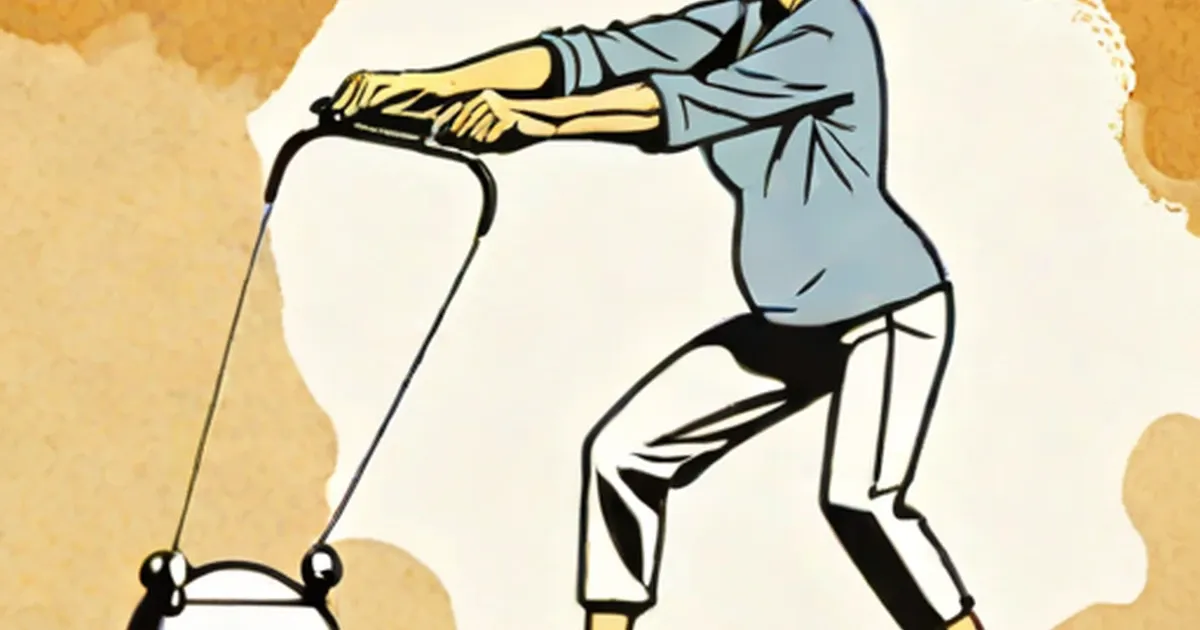
Eccentric loading is the category that includes the heel drop, and it’s almost certainly what someone meant if they told you to “do some eccentric heel drops.” An eccentric contraction is the muscle lengthening under tension, which for the calf means slowly lowering your heel below the level of a step rather than raising it. The most well-known version of this is the Alfredson protocol, named for the researcher who popularized a structured heel-drop routine done with both a straight knee (which loads the gastrocnemius more) and a bent knee (which shifts more work to the soleus). Physical therapists have leaned on eccentric loading for Achilles tendon rehab for a long stretch now, and it remains one of the more consistently recommended pieces of a recovery plan.
General calf strengthening comes next in most plans, or often alongside the eccentric work once things are tolerating it. In practice that’s the low-key stuff: regular calf raises off the floor, then off the edge of a step once those feel easy. A starting point physical therapists often build from is around two sets of ten, most days of the week. About ten minutes, no equipment beyond your own stairs, easy enough to do while something’s heating up in the microwave. Once that feels easy, your physical therapist may progress you to added weight or a single leg, since that’s a call best made with them rather than guessed at solo. It isn’t glamorous, but it’s the part that builds the tendon’s everyday capacity, worth the ten minutes even on a tired night.
Mobility and stretching rounds things out. This is where you work on ankle flexibility and calf tightness, since a stiff ankle that can’t bend well tends to dump extra stress on the tendon every time you take a normal step. A few minutes of gentle calf and ankle stretches, tacked onto the end of whatever else you’re already doing, covers it. Stretching gets handled carefully in the early, more irritable phase for a lot of people, since aggressive stretching can occasionally aggravate rather than help before the tendon’s ready for it.
Each of these categories genuinely deserves its own deeper look, with actual exercise breakdowns, sets, and progressions, which is a bigger conversation than fits in an overview like this one. The point here is the shape of the plan: calm it down, load it specifically, build broader strength, restore mobility, roughly in that order, adjusted to how your particular tendon is behaving.
What does a typical recovery timeline look like?
The honest, slightly deflating answer is that most people are looking at a few months of consistent work, and anyone promising a fast fix is selling something. That said, most people do see it move through recognizable phases, and knowing the shape of the road ahead makes the boring middle stretch a lot more bearable.
Phase one is about calming things down: managing daily activity so you’re not constantly reigniting the irritation, starting isometric holds, maybe easing into gentle mobility work. This phase can last anywhere from a week or two to considerably longer if the tendon is particularly irritable or you’ve been dealing with it for a while before addressing it properly.
Phase two is the loading phase, where eccentric exercises and progressive calf strengthening take over as the main event. This is typically the longest stretch, often measured in months rather than weeks, since tendon tissue remodels slowly compared to muscle. The general rule of thumb a lot of clinicians work from is that meaningful, durable improvement in tendon pain and function takes a few months of consistent loading. It can take considerably longer for a tendon that’s been irritated for a year or more before treatment started.
Phase three is return to activity: reintroducing running, jumping, sport-specific movement, or whatever your normal life actually demands, gradually enough that the tendon’s capacity keeps pace with what you’re asking of it.
A few things move that timeline in either direction. Consistency is the biggest one, and it’s not close. A program done faithfully most days beats a more “optimal” program done sporadically, every time. How irritable the tendon is when you start matters too, along with something a lot of people have never heard of before their own diagnosis: whether the problem is insertional or mid-portion Achilles tendonitis. Mid-portion trouble sits in the tendon itself, typically a couple of inches above the heel, and it’s the pattern most classic eccentric heel-drop research (including the original Alfredson work) was built around. Insertional tendonitis happens right where the tendon attaches to the heel bone, and it tends to respond more slowly. Part of the reason is that certain ranges of motion, like lowering the heel deep below step level, can actually aggravate it rather than help. That’s exactly the kind of detail a physical therapist adjusts for, one a generic list of exercises online won’t catch.
Budget for months, not days, and treat that as the plan rather than a worst case. If you’ve ever dealt with a cranky knee or shoulder before, you already know connective tissue moves on its own schedule, and pushing past that timeline usually just adds weeks back onto the other end.
How do you know if you’re doing too much (or not enough)?
The rule of thumb worth carrying around in your head is that mild discomfort during exercise is generally considered acceptable, while sharp, stabbing, or rapidly worsening pain is not. A physical therapist can help you calibrate that discomfort so it stays in a low, tolerable range during the exercise itself, and can help you read how the tendon feels the next morning, since pain that’s noticeably worse or that lingers well beyond a day afterward is usually a sign you pushed past what the tendon could handle that day.
Practically, that looks like this: some pulling, some mild ache, maybe a bit of soreness the next day that settles quickly, is generally fine and part of the process. Here’s the concrete check: the morning after a session, walk around the kitchen for a minute before you decide anything. If it’s the same stiff-for-thirty-seconds feeling you’ve had all week, physical therapists generally treat that as a green light to repeat the session as planned. If it’s noticeably worse than the day before, or you’re limping instead of walking normally, the guidance physical therapists commonly give is to back off, let things settle for a few days, and raise it with them before picking back up where you left off.
On the flip side, doing too little shows up differently, and it’s honestly the more common failure mode: people who’ve had a scare with pain get overly cautious and stay stuck there. If weeks go by with no meaningful change in symptoms or function, and you’re still babying the tendon well past the point your plan called for progression, that’s worth raising with your physical therapist, since under-loading is one of the things they’ll check for. Some tendons need a bit more challenge to keep adapting, and that’s a dial they can help you turn safely.
This is exactly the kind of judgment call that’s genuinely hard to make alone, which is why a physical therapist earns their fee here: they can look at how your particular tendon responds and adjust the dial in either direction, instead of you guessing from a list of general symptoms on a screen.
What mistakes slow Achilles tendonitis recovery down?
A few patterns show up again and again, and most of them come from understandable impatience rather than anyone doing anything reckless.
- Skipping the boring isometric phase. It doesn’t feel like “real” exercise, so people rush past it straight to heel drops or running, and end up aggravating a tendon that wasn’t ready for that level of demand yet.
- Jumping straight back to running the moment daily pain eases up, without a gradual return-to-running progression. Pain-free walking and pain-free running are two very different capacity thresholds, and the tendon knows the difference even if your motivation doesn’t.
- Ignoring footwear. Worn-out shoes, a sudden switch to a very different heel-to-toe drop, or trading supportive sneakers for flat everyday shoes can all quietly add load the tendon wasn’t budgeting for.
- Inconsistency. Doing the exercises for four days, feeling better, stopping for two weeks, then restarting when it flares again is one of the slowest possible routes through this, since tendon adaptation depends on a steady, cumulative dose over time.
- Treating “less pain” as “fully recovered.” Pain often improves well before the tendon’s actual capacity has caught back up, and going all-in on normal activity at the first pain-free week is a classic way to end up right back where you started.
The last one is the most common by a mile, from what I’ve seen in friends who’ve been through this. Pain goes quiet, everyone assumes the job’s done, and three weeks later they’re back to hobbling to the bathroom in the morning, wondering what happened. The exercises don’t stop mattering just because the pain did.
When should you see a professional instead of DIYing it?
Some situations genuinely call for getting a physical therapist or doctor involved rather than working from a general overview like this one, and it’s worth being clear-eyed about which ones.
The big one is the line that matters most: a sudden, sharp pain in the back of the ankle, especially one that comes with an audible pop or the sensation of being kicked in the tendon. If that’s followed by an inability to push off or rise up on your toes, it can indicate an Achilles tendon rupture rather than tendonitis. That’s not a DIY-exercise situation. That needs prompt medical evaluation.
Beyond that clear red flag, the rest of this list is judgment call territory, and if you’ve been putting off the appointment because it feels like giving up, it isn’t. It’s worth booking a visit if:
- Pain hasn’t budged at all after a few weeks of consistent, professionally guided exercise
- Swelling or stiffness is getting worse rather than better over time
- You’re not confident you’re doing the exercises correctly, or unsure how to progress them
- You have other health conditions (like diabetes, or you’re on certain antibiotics that carry tendon-related warnings) that change the risk picture
- This is a repeat episode and the same approach hasn’t worked before
A physical therapist brings something a general article genuinely can’t. They can actually look at how your ankle moves, feel exactly where the tendon is most reactive, tell insertional from mid-portion involvement, and adjust your specific dosage of exercise week to week based on how you’re responding. That’s worth what it costs, and it’s fair to wonder what that actually is. A course of physical therapy for this kind of thing often runs into the hundreds of dollars over several visits, more if insurance doesn’t cover much of it. If that number is genuinely out of reach right now, the DIY version in this piece, done consistently, is a legitimate floor, just know you’re trading some speed and precision for it. But if you’ve been guessing at this for a month with no real change, professional eyes on it once is usually worth stretching for.
How can you avoid Achilles tendonitis coming back?
This is the part nobody wants to hear, but it’s the honest answer: preventing a repeat episode takes an ongoing habit, the same way keeping your lower back happy means regular attention, not a single stretch you do once and never think about again.
Increase training load gradually. Runners have long followed a rule of thumb of upping weekly mileage by no more than a modest percentage at a time, rather than jumping from casual jogging to marathon training in a month. The exact number matters less than the principle: sudden spikes in how much you’re asking your legs to do are one of the most common triggers for tendon trouble in the first place.
Keep calf strength up, even after symptoms are gone. The strengthening work that helped fix the tendon doesn’t stop being useful once you feel normal again. A couple of sets of calf raises worked into your week on an ongoing basis is a genuinely low-effort habit that pays for itself.
Check your shoes. Worn-down soles, an old pair you’ve kept “for the yard” that’s actually lost all its support, or a big jump in heel drop between two pairs you alternate can all quietly reintroduce the load mismatch that started this whole thing. If the tread’s worn smooth or the heel’s collapsed, that pair’s done, no matter how comfortable it still feels around the house.
Warm up before harder efforts, especially anything involving sprinting, jumping, or hill work, since those are higher-demand movements for the tendon than steady walking or easy jogging.
Pay attention early. A little morning stiffness that shows up again is worth addressing with a return to some of your maintenance exercises right away, rather than waiting to see if it becomes a full flare. Catching it in week one is a completely different project than catching it in month three.
None of this requires special equipment or a big budget, which is honestly the best news in the whole topic. A step for heel drops, a bit of consistency, and shoes that aren’t falling apart cover most of it. You already did the hard part getting here, so give yourself some credit for that. Keep the calf work your physical therapist gave you in the rotation, even once everything feels normal again, and that alone does most of the work against a repeat episode.
This is general wellness information, not medical advice. Talk to a healthcare professional about your specific situation, especially before starting a new exercise routine for an existing injury.
Maya Ellison
Staff Writer
Maya Ellison writes about living a little better on an ordinary budget and an ordinary schedule: the small, doable changes that actually stick. She is a fan of the 20-minute version of everything and deeply suspicious of any wellness plan that requires a spare $400.