Caterpillar Identification Chart
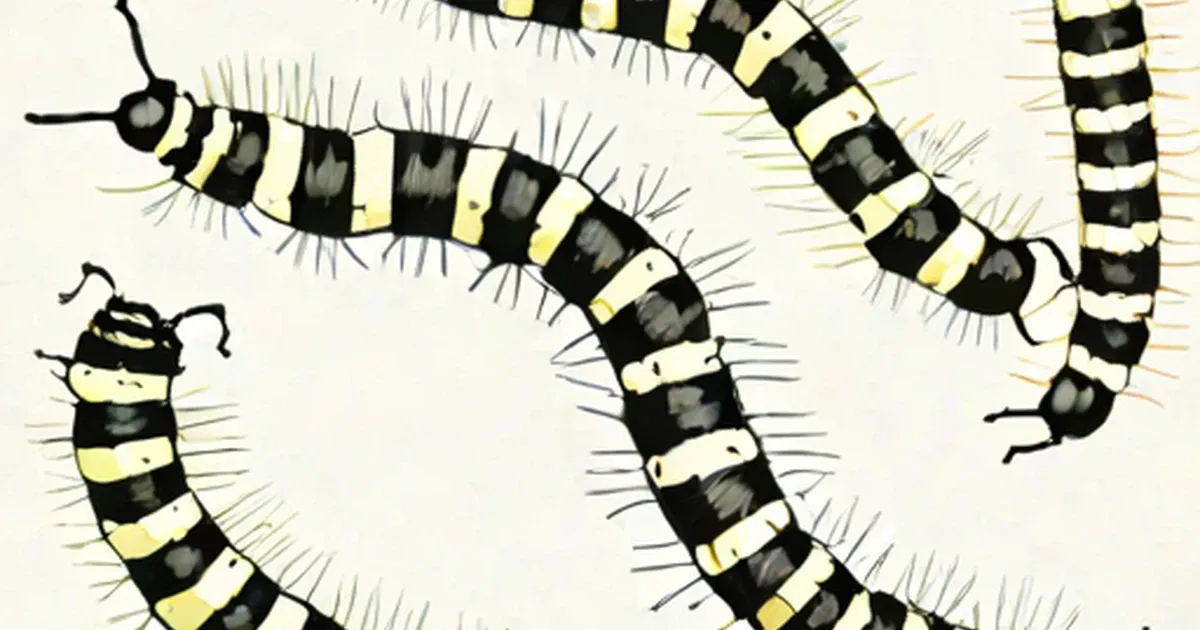
There are several species of caterpillars all around you. A caterpillar identification chart will help you to identify one caterpillar from the other easily. Scroll down to know more“ Larvae of butterflies and moths are known as caterpillars
. Due to the huge array of butterflies and moths, it is natural that there are several varieties of caterpillars too, making caterpillar identification difficult. Moreover, there are several caterpillars that are known as stinging caterpillars because they have poisonous spines which they use as defensive weapons if they feel threatened. If a person gets stung by a caterpillar, then the effects of these stings are similar to those of the bee stings, wasp stings and spider stings. These caterpillars are found on garden plants, so there is a good chance that you have these poisonous caterpillars in your gardens. This makes caterpillars identification important. This article about caterpillar identification chart will be helpful in identifying caterpillars, easily.
Caterpillar Identification Guide There are several types of caterpillars due to the various types of moths and various types of butterflies. Some are smooth while some have hair on them, some are poisonous while some are harmless, some are beautiful while some are ugly. Some may turn into butterflies while some may turn into moths. What is common though, is that the legs of the caterpillars are connected to their chest and their abdomen and caterpillars are usually long. Other than these, caterpillars are different from one another. The below mentioned caterpillar identification chart or caterpillar identification guide
will help you in caterpillar identification. Let us look into the details.
Caterpillar Name
Caterpillar Description
Caterpillar Image
Hornworm
Biggest caterpillars almost 3-5 inches in length, all green with white strips on side, Posses harmless horn at the rear end
Prominents
Good looking with fleshy knobs, Assume a distinct pose when attacked, Some squirt acid when attacked
Slug
Highly unpredictable body plans, Has medical suckers in place of pro-legs, Sting very badly when attacked
Saddleback
1 inch long with prominent green saddle on dark brown body, Is solitary in nature, Has prominent horns for protection, Very poisonous
Puss
1 inch long with dense brown hair, Has poisonous points below these hair, Sting is more poisonous than the other caterpillars
Io Moth
Light green in color with narrow red band on either side, 2 inches long with black pointed spines
Regal Moth
Have one horn near the head and the other on the ninth segment, Descend to the ground for pupating sites
Tiger Moths
Also known as Woolly Bears, Dense hair covering the entire body, Bright colors
False Unicorn
Also known as the Morning Glory Prominent, Light brown colored body, Has a five banded striped head, Has a prominent hump on the fifth segment
Halysidota Tesselaris
Very hairy, Yellowish brown in color, Long black and white hair come from head and back area
Mullein Moth
White caterpillar with yellow and black spots all over the body
Poplar Hawk Moth
Large caterpillar, Green in color with yellow diagonal strips and a green horn
Geometrids
Also known as Loopers, Form loops while moving, Color is same as that of the background which makes it difficult to see
Elephant Hawk Moth
7.5 cm in length, tan in color with a horn on the rear end, Thrashes from side to side when provoked
Orange Tortrix
• inch in length with brown head and green body, Damage and destroy garden fruit trees
Pale Tussock
Pale green in color with humps on third, fourth, fifth and sixth segments and a red thorn like sting on the rear end
Amorbia
Also known as Western Avocado Leafroller as they feed on avocados, Bear a horizontal line on the side of the thorax
Sycamore Moth
Long yellow and brown hair, Body looks like a string of beads
Cut Worm
1½ inches long, Comes in various colors, Smooth skin and hairless
Silk Moths
Round body, Are 3-4 inches in length, Have scoli around their bodies
Stinging Rose
Red spines with black and blue stripes, Have poisonous spiny yellow horns all over the body
Hooktip Moths
No anal pro-legs, Upper part of head is horned
Wax Worm Hairless, Breeds in bee hives You might want to read more on the caterpillar life cycle to understand the transformation from a caterpillar to a butterfly species or into a moth.
Types of Caterpillars As you can see from the above caterpillar identification
chart, there are various types of caterpillars. Most of the caterpillars eat leaves, at times sticking to one type of leaf. However, there are a few caterpillars that feed on the eggs of other insects. The distinction of different types of caterpillars is not based on what they eat, however. Let us look at some of the different types of caterpillars.
- Skippers: Skippers have a large head and a constricted neck, becoming wider near the abdomen and tapering again towards the end. They are covered with a lot of hair, all over their body.
- Swallowtails: These types of caterpillars are broad and they are covered in fine hair all over their body. They also have some sweet smelling tentacles which act as their defense in case anyone attacks them. These tentacles help in caterpillar identification.
- Monkey Slug: This caterpillar can grow up to 8 inches in length. There are some curly sort of arms on top of this caterpillar’s head. These are nothing but lobes of hairy flesh, which are used by the caterpillar to protect itself in case it is attacked. These lobes are useful in this caterpillar identification.
- Tent: These are very common type of caterpillars. These form a tent like structure on a tree and several caterpillars house in this tent. This tent helps to protect the caterpillars.
- Luna Moth: This is an unique caterpillar which has six joint legs and they also have eight pro-legs. These pro-legs function as legs as and when required.
Thus, as you can see from the above, there are several types of caterpillars and they are easily distinguishable with the help of the caterpillar identification chart. Some are poisonous caterpillars while some are not. It is necessary to take precautions while handling a caterpillar, as the most innocent looking one can be very harmful if it stings and turns out to be a poisonous one.