Horned Lizard Facts
Discussing horned lizard facts is an intriguing subject for all animal lovers, as these spiny reptiles exhibit certain unique characteristics for adaptation. To know about facts on horned lizards, read on...
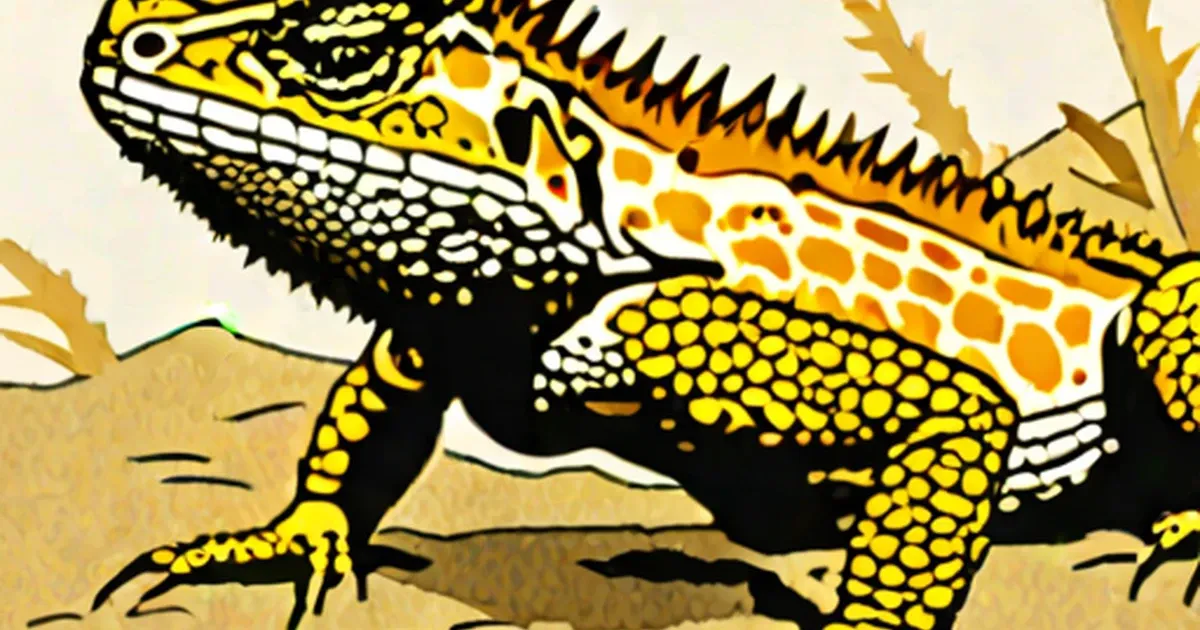
Horned lizards comprise a group of 14 species, having spikes covering their body. They are also known as horned toad, horned frog or horny toad. However, horned lizards are reptiles, which are not even distantly related to toads or frogs. The common names are given with respect to the globular body shape and blunt snout that resembles toads. Found in the arid and semi arid areas of North America, studying horned lizard facts is very interesting. Scroll down to learn some of the amazing facts about this spiky bodied reptiles.
Facts about Horned Lizards
Dull gray or brown color, body covered with spines and horns on the head are the characteristic features used for identification of horned lizards. Detailed studies have found that bodily spines are modifications of the scales; whereas the horns are true ones. Almost all species of horned lizards are conserved, where illegal possession or transportation is strictly prohibited. Read the following horned lizard facts to know in-depth information about these unique reptiles:
Horned Lizards Taxonomy
Horned lizards belong to the order Squamata of the class Sauropsida and Phylum Chordata. Taxonomically classified under the family Phrynosomatidae, the genus name of these spiny lizards is Phrynosomatidae. Out of the 14 species, the large sized Texas horned lizard (scientific name Phrynosoma cornutum) is abundantly found in United states.
Horned Lizards Habitat The habitat range of horned lizards includes Mexico and western parts of United States. Many of the species are adapted to the dry inhospitable conditions of desert; whereas some are found in high altitudes. A very few species of horned lizards are found dwelling in coastal areas. In short, horned lizards are distributed in almost all the habitats, be it the hot deserts or cold mountains. Know more on the desert horned lizard
.
Horned Lizards Diet The feeding habit of horned lizards is very unique; usually they do not hunt for food. Rather they sit and wait for the prey to come in their path. The diet of horned lizards mainly compose of harvester ants. One of the desert horned lizard facts is that more than 50 percent of the diet is made up of ants
. Other preferred insects include beetles, termites and grasshoppers.
Horned Lizards Adaptation
Horned lizards are known to possess certain adaptive characteristics to avoid predation. The body color blends with their surrounding environment, making them invisible to prospective predators. When threatened, they stop and puff up their bodily spines, which make them appear larger. Amazing Texas horned desert and short horned lizard facts include squirting blood from their eyes up to a distance of more than 3 feet.
Horned Lizards Reproduction
The mode of reproduction is another adaptive feature for horned lizards. Depending upon the habitat, where they live, half of the species give birth to young ones; whereas the remaining half reproduce by laying eggs in sandy soil. Some horned lizards tend to lay eggs twice in a season, thus increasing their population.
Horned Lizards as Pets If you have a passion for exotic pets, try rearing horned lizards as pets. However, make sure you check local rules, whether rearing them is allowed or not. If yes, then collect information regarding, ‘how to care for horned toads’ before actually keeping them as pets. Being native to dry regions, they thrive well in warm temperature, hot and sandy dwelling places. Learn more on types of pet lizards
.
This was an overview about horned lizard facts. Considering the decline population in the last few decades, state protection is declared for Texas horned lizards. The main reasons behind the decreasing number is habitat destruction and shortage of harvester ants, which is the primary food for horned lizards. There is a great hope that the population of horned deserts will increase in the coming years.