Roundworms Characteristics
Can you believe an adult roundworm female lays thousands of eggs daily? Interested in learning more on what are roundworms characteristics? Here is an article that deals with characteristics of roundworms and other related facts such as habitat and etc.
Roundworms are the most commonly found parasites in the intestinal tract, in humans as well as animals and pets. More than 15,000 species of roundworms are identified and named scientifically. There are still thousands of roundworm species that are not classified. There are serious health ailments caused by roundworm infection. Considering this, studying roundworms characteristics and other intestinal parasites is an important aspect in medical pathology.
Roundworms Characteristics: Explained According to statistics, more than 1 billion cases of roundworm infection
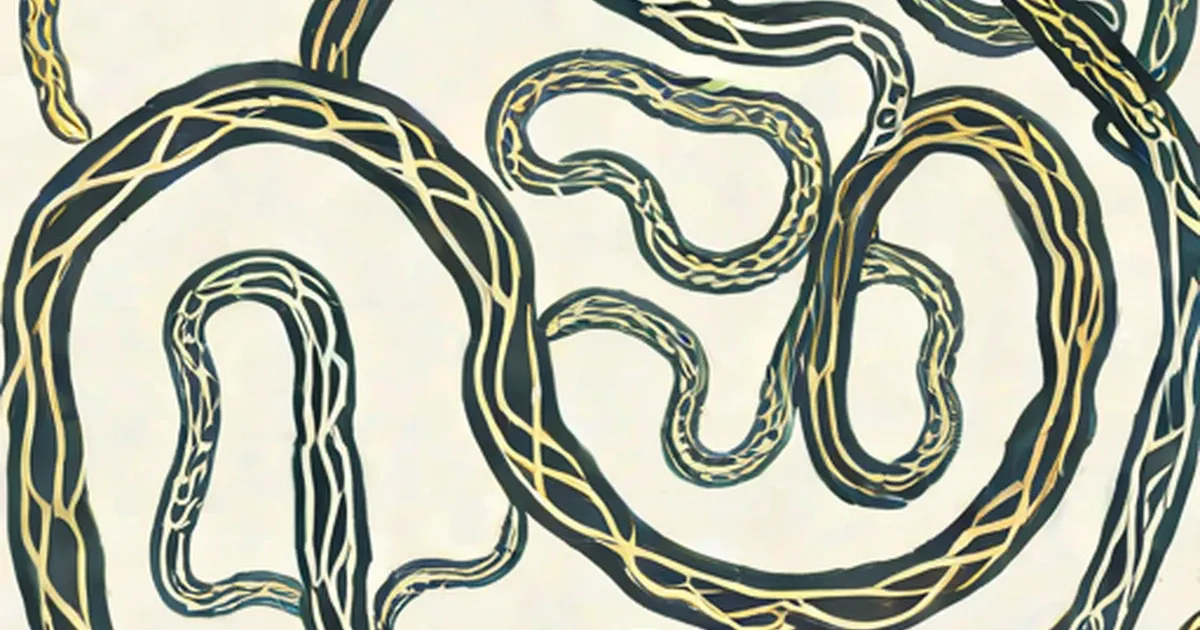
are reported from all over the world. So, you can imagine the number of household pets infected by these nasty worms. Roundworms are primitive organisms, having no respiratory system and circulatory system. They have a hollow body with two openings at the ends. However, the head is not distinctive or identifiable. Information on what are roundworms characteristics and facts is presented below:
Roundworms Classification
Roundworms are elongated, with some species reaching to about 40 cm in length at maturity. All the species of roundworms are pointed at both the ends. Classified as nematodes, roundworms are invertebrates, having an unsegmented and rounded body (unlike earthworms). They are categorized under the phylum Nematoda and kingdom Animalia. Further taxonomical hierarchies (class and order) of roundworms are still disputable.
Roundworms Habitat
These nematodes are highly adaptable in nearly all habitats, ranging from polar to tropical areas, freshwater to marine water and a wide range of soil types. In fact, they are present everywhere, except the inhospitable deserts. Many species are free-living; while some are parasites, thriving and feeding on host organisms (plants and animals). The harmless free-living roundworms feed on soil microbes and plant matter.
Roundworms Sexuality
One of the adaptive roundworms characteristics is their sexuality. Apart from the typical male and female worms, some roundworms are hermaphroditic, meaning they have both the male and female reproductive organs in the body. Thus, hermaphrodite roundworms can reproduce on their own under favorable environmental conditions, which again increase their population in the specific habitat.
Roundworms in Humans Infection of roundworms in humans
is reported every year with majority of the patients being kids and children. Once they enter the body, they live in the intestine and feed on the nutrients, causing malnutrition. If left unchecked, they multiply to a huge number and result in severe medical complications. Elephantiasis, characterized with hypertrophy of the leg parts, is caused due to roundworm infection.
Roundworms in Pets Besides infection in humans, roundworms in dogs
and cats are common incidences. House pets get infected with roundworms, either from soil while playing in the lawn or consuming contaminated foods. Also, newborn puppies and kittens get infected from their mother at the time of birth. Symptoms of roundworms infestation in pets include coughing, vomiting and increased lethargy. De-worming cat and dogs at regular intervals is a practical solution to prevent roundworms infection.
Roundworms are Contagious One of the concerning facts about roundworms is that they are contagious and can be transferred from one infected person to another. Thus, a family with a member diagnosed with these nasty worms, should implement sanitizing methods in the house to prevent spreading of worms to other family members. The same risk is with roundworms in cats
and dogs.
Parasitic Roundworms Examples
Examples of parasitic roundworms, which can infect humans and cause diseases are filaria worms (cause elephantiasis), trichinella (cause trichinosis), hookworms (infestation for a long time cause anemia and helminthiasis), ascaris (cause ascariasis) and pinworms (infest the large intestine). Parasitic roundworms do not only cause nutrient deficiency symptoms and malabsorption, but they increase the risk of severe medical complications.
So, this was all about roundworms characteristics and facts. In order to prevent infection of roundworm in children and adults (as well as in pets), it is imperative to follow personal hygiene and sanitizing methods. Avoiding contaminated foods and poorly cooked foods significantly help in minimizing the risk of this parasitic infection.