Snake Habitat
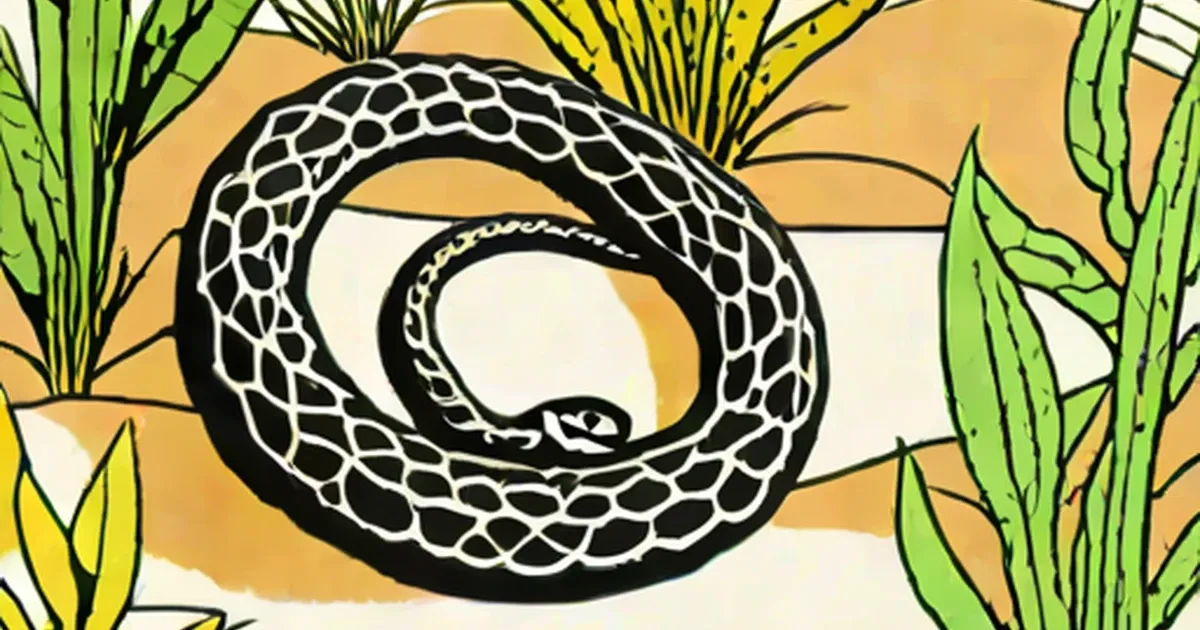
Interestingly, snakes are found virtually all over the world, except for the continent of Antarctica. This article will throw some light on the snake habitat - one of the most interesting, but lesser known aspect of the life of these reptiles.
Approximately 2,900 species of snakes are found on the planet, which are eventually categorized into 15 families and 456 genus. One can notice immense diversity in these carnivorous reptile species. On one hand, there is the Thread snake, with an average length of around 10 cm, and on the other, there is the Anaconda, with an average length of around 25 ft. Some of these snakes are venomous, while most of them are non-venomous. Among the several interesting snake facts, the snake habitat is perhaps the most neglected one. The fact that the geographical range of these reptiles is amazingly vast, makes it difficult to ascertain their habitat in the wild. Read more on different types of snakes.
Snake Habitat in Wild As in the case of their appearance, one can observe a great deal of diversity in their natural habitat as well. Basically, snakes are found in almost all the biomes of the world. They exist everywhere, right from the dense forests of South America and Asia to the harsh deserts of North America and Africa. While the King cobra habitat is restricted to the dense forests of Southeast Asia, the rattlesnake habitat spans across the vast arid regions of the southwestern United States. Similarly, the eastern coral snake
habitat can be traced to the pine and scrub oak sandhills of North America, whereas the ball python habitat can be traced to the grasslands and Savannas of Africa. In some regions, these snakes cohabit with humans as well - a deadly combination which results in harm to either one of the two. These reptiles also inhabit the water bodies. In fact, there are approximately 52 species of sea snakes in the world, the pelagic sea snake being the most common. These snakes have adapted themselves quite well to their natural habitat. The best example of snake adaptations is the flattened tail, which facilitates locomotion in the water, for the sea snake species. The copperhead snake habitat spans across the deciduous forests and the dense woodlands of North America. The coloration of this snake compliments its natural surrounding so well, that it is very difficult to spot a copperhead snake lying among the dry leaves here at the first glance. Read more on facts about snakes.
More information on snakes and their habitat:
- Anaconda Habitat
- Green Tree Python Habitat Snake Habitat in Captivity Ophidiophobia, i.e. the abnormal fear of snakes, is one of the most common phobia in the world, and this very fact explains why snakes are not as popular pets as other animals of the kingdom Animalia. King snakes, corn snakes, ball pythons, etc., are some of the snake species which are quite popular as pets. If you are one of the very few people who would like to have any of these snakes as pets, you need to be well versed with the snake habitat in the wild - on the basis of which you will have to prepare a habitat for your pet.
How to Prepare an Ideal Habitat for your Pet Snake?
The size of the aquarium in which you will house your pet snake will depend on the size of the snake itself. The bigger the snake the larger should be the aquarium. It is wiser to opt for a large aquarium in the very beginning, as these reptiles tend to grow quite fast. Snakes being cold blooded animals require some source of warming in their habitat. A warming pad that can heat the aquarium from the bottom is the best bet. When it comes to substrate, a plain newspaper works well in most of the cases. However, if it is a burrowing snake species, you will have to resort to potting soil or sand as the substrate. You can also opt for reptile carpets available in the pets stores. If it is some tree climbing species such as the corn snake, habitat should include some branches to facilitate climbing opportunities for it. The habitat of a snake in captivity should also include a source of drinking water, most ideally in form of a dish. More importantly, you need to ensure that the temperature and humidity levels are optimum.
More interesting information about snakes:
- Most Venomous Snake
- Deadliest Snake in the World
This was brief information about snake habitat in the wild as well as in captivity. As we mentioned earlier, you need to get the basics of the habitat right if you intend to keep a snake as a pet. However, that doesn’t mean you would waste time by going through this information about snakes, if you don’t intend to have one as a pet. The fact is that there are so many interesting things to know about snakes, and the habitat of snakes is just one of them.