Water Spider
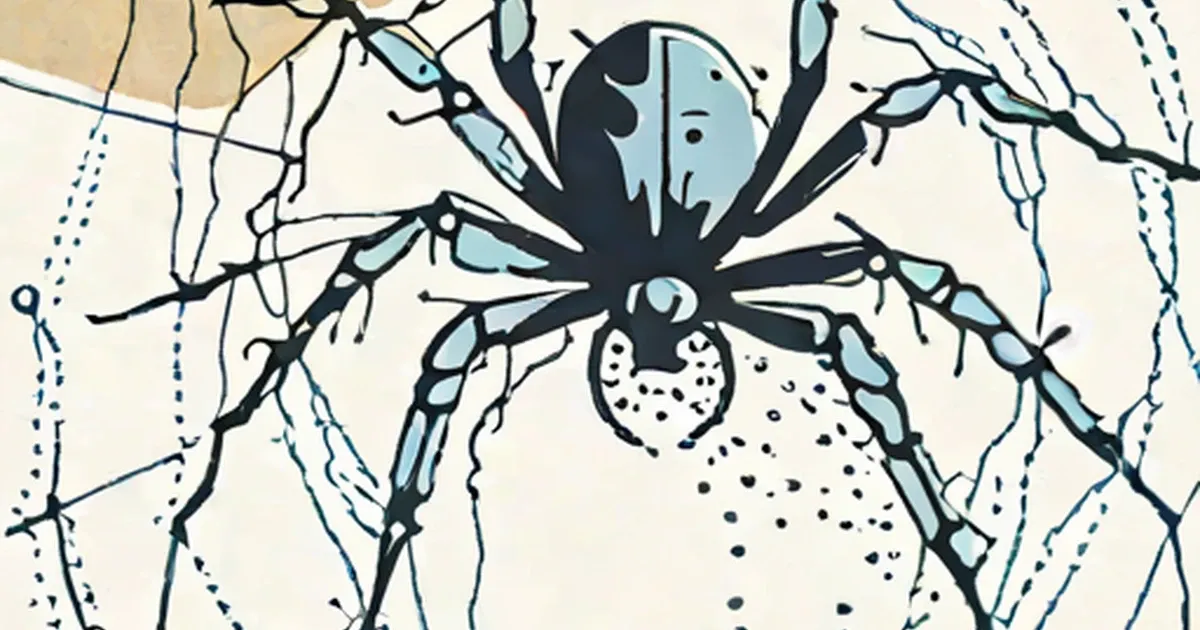
Water spider or Argyroneta aquatica is a spider species that spends its life underwater. This spider builds an underwater web structure and fills it with air bubbles to make a diving bell, where it lives, molts, mates, and brings up its offspring. Find out some important water spider information with this article.
Water spider, also known as diving bell spider, is the only spider that lives underwater. The reason for this adaptation may be the tough competition on land and the presence of terrestrial predators. Whatever may be the actual reason, this spider lives entirely under water. The scientific name of this spider is Argyroneta aquatica, the two common subspecies of which are Japanese and European water spider. The only difference between these two sub-species is that the genital organs of the Japanese water spiders are larger than their European counterparts. Here is a brief account of some of the most interesting and unique water spider facts for kids.
Water Spiders Information Physical Appearance and Behavior Water spiders are usually small spiders with a body that is dark brown or velvety gray in color. Their average size is about 10 to 15 mm. Though they survive on water, they do not possess any gill. Instead, they have a unique way of breathing. This spider possesses an abdomen, covered with small hairs, with which it traps air bubbles. This trapped air around its body gives water spider a silvery appearance. The spider breathes from this bubble when it goes underwater. It carries the air bubble to the underwater web structure, that it spins with silk.
Water spider brings bubble after bubble to its web, and thus, fills the entire web structure with air bubbles. This makes the web structure to look bell shaped, which is called diving bell. Oxygen from the surrounding water diffuses in to the bell, while carbon dioxide diffuses out. This is the reason why, the spider does not have come to the surface frequently to replenish the air supplies of the diving bell, from which it breathes. However, it has to come to the surface once in a while for this purpose. Both the male and the female build such air bells, though the size of the bell made by the male is usually smaller than the one built by the female. Water spiders breathe through small openings, located under the abdomen. These openings are connected to their lung like organ.
Water Spider Habitat and Diet Water spiders inhabit freshwater lakes and ponds, and they can be mainly found in the regions of central and northern Europe. These spiders are good swimmers, and they carry air on the fine hairs of the abdomen while swimming. Usually male water spiders are better swimmers and more aggressive hunters than the females. The diet of these spiders consists of aquatic insects
and crustaceans. Water mites, mayfly nymphs and phantom midge larvae are some of the common food sources of water or diving bell spiders. Water spiders possess strong fangs that can even pierce the human skin, and their bite can be quite painful. They usually use their venomous jaws for immobilizing the prey. For catching its prey, the spider comes out of its bell, but then again returns to its underwater retreat to digest the food. However, water spiders themselves fall prey to fish and frogs at times. More facts on spider bite: symptoms and treatment.
Reproduction
Unlike other spiders, male water spider is usually larger than the female. Before mating, the male usually builds a diving bell near the diving bell of the female. A tunnel is also constructed by the male from his bell to that of the female, in order to enter the female’s bell. It is the female’s bell, where mating takes place, after which the female lays about 30 to 70 eggs in her bell. Usually, the female makes a special chamber in her bell to deposit the eggs. After hatching, the young spiders do not make their own shelters or bells immediately. Instead, they fill up the empty shells of snails with air, and use them as shelter for some time. The average life span of water spider is about 2 years. Find out more information on:
- Spider: Facts About Spider
- Most Poisonous Spider
- World’s Biggest Spider
Like other spiders, water spiders too molt or shed their skin, and for this purpose they often come out of the water to the adjoining vegetation. But many times, they prefer to construct a new bubble, specifically for molting. The most interesting fact about these spiders is the air bells that they construct. These air bells serve a number of purposes. These spiders literally live, consume their prey, molt, mate, and also lay eggs, and raise their offspring safely within these bells, and thus avoid their terrestrial predators.