Digital Technology has Forever Changed the Field of Photography
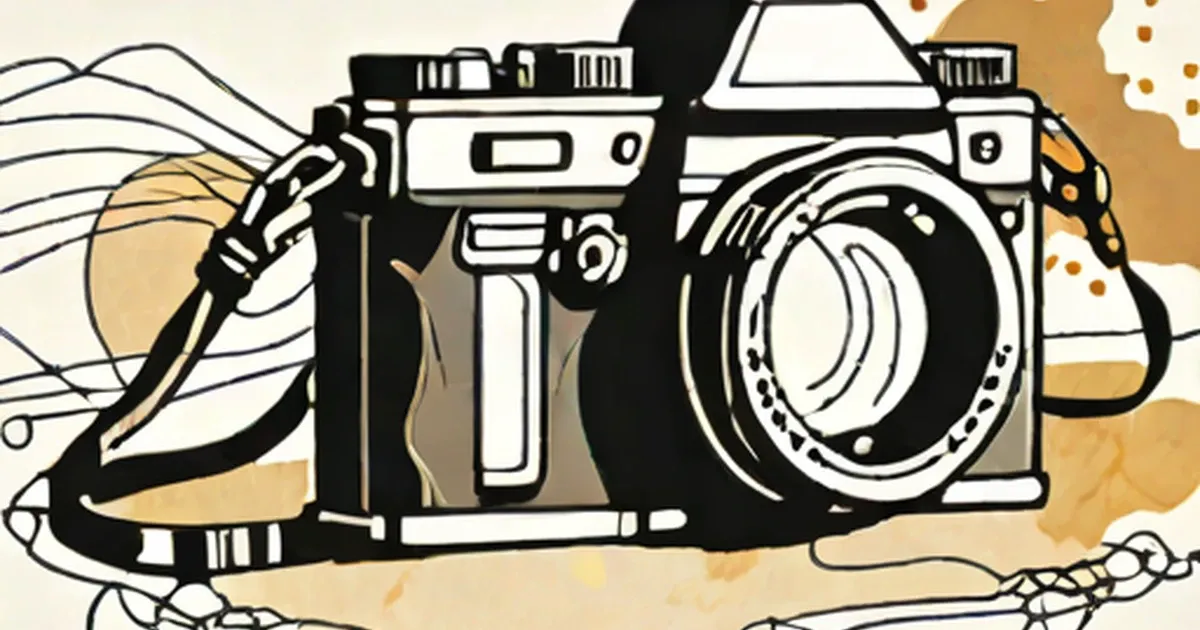
Advances in technology have fundamentally changed the field of photography. The digital camera bodies of today allow even the most amateur photographer to capture fantastic photographs.
Although we don’t realize it, photography plays an important role in our daily life. A simple photograph can capture precious moments and provide us with a visual reference of that moment for the rest of our lives. Prior to the invention of moving pictures, photography played a major role in the capturing and recording of history. As technology continues to improve photographic equipment, today’s professional photographers must continually push their skills to new heights if they want to maintain a strong presence within their industry. The ease at which a modern digital camera can be wielded can transform an amateur photographer into a semi-professional with the simple push of a button. Digital technology has forever transformed the field of photography.
At its root level, digital technology is a system consisting of binary logic that uses two digits: 1 and 0. The microprocessors in today’s cameras can perform highly complex functions in a fraction of a second. Those same functions on a traditional film camera were once performed manually by a highly skilled photographer. The microprocessors used in cameras (and any other digital device) will continue to develop at an exponential rate. The general rule is that technology doubles every year, particularly when it comes to the capacity for digital storage, which makes a camera that is only a few years old obsolete in terms of technology. For the average enthusiast, there has never been a better time for developing one’s skills with a camera.
While still in use today, traditional photographic film has transitioned from an everyday consumer product to a medium used by skilled photographers as a means of artistic expression. The consumer now uses digital cameras as their primary means of capturing images. Thanks to the advances in digital technology, photographic images can be taken, stored, and even printed directly from a cheap digital camera – the modern digital camera has become a mini computer, capable of handling every aspect of film production except development.
Digital cameras use memory cards as a means of storing their data. The speed at which a camera can write the digital information of a captured image to a memory card is typically reflected in the cost of the camera body. An inexpensive digital consumer camera has a very slow write speed which means the photographer is limited to the speed at which he can capture and store consecutive photographs. For the average consumer, a slow write speed is meaningless and will never adversely affect his ability to capture images. However, for the professional sports photographer, a quick write speed is essential to his livelihood. While the average consumer can take photographs to his satisfaction with a camera that costs $100 or less, the professional photographer requires extremely fast write speeds as well as the ability to use fast lenses and a quality camera body with those capabilities will easily cost five thousand dollars or more.
Perhaps the greatest impact digital technology has had on the photography industry is in the editing and development of photographs. Digital editing software for the home computer is now a common tool used by even casual photographers. A simple contrast adjustment can be applied to a digital image in a matter of seconds while the same adjustment applied to a traditional photographic negative would have required special equipment (as well as time and skill). When it comes to developing a digital image, it can be delivered electronically to the developer through email. A modern photographer can literally capture an image, edit it within his camera, and then upload it via wireless internet to a developer – the whole process taking no more than a few minutes from start to finish.
For the professional photographer, modern digital technology has dramatically reduced the amount of post production time required to produce a final print. This drastic reduction in processing time has allowed photographers to focus their time and energy on further developing their skills at capturing images. Today’s professional photographs are more about the setup of the image as well as deliberately creating an image that allows for digital enhancement via editing software.
Technology has forever altered the field of photography – there has never been a better time for a camera enthusiast to develop his skills in photography. Learn more about photography at our website:
portrait photography long island
.