Polypropylene Properties and Uses
Polypropylene properties and uses have made it one of those substances which has high demand in all spheres of life. This article will give a brief overview of the polypropylene properties and uses.
Polypropylene is a polymer substance. In other words, it is a macro molecule (large molecule) formed by repetition of one structural unit of propylene several times. Each of these propylene molecules are bonded with each other by the means of covalent type of chemical bonds. Polypropylene is a type of polymer which gets transformed into liquid polymer on heating while on freezing it turns into a glassy state. The polymer that shows these properties is known as thermoplastic polymer. It was in March 1954 that polymerization of polypropylene was first done by Karl Rehn and Giulio Natta in Spain. Later, production of polypropylene began in large scale in 1957. In the following two sections, let us find out more about the polypropylene properties and uses.
Properties of Polypropylene
Polypropylene is linear in structure and its monomer is represented by the formula of CnH2n where n is the number of atoms. Its cost of production is not very high. It can be obtained from propylene gas with the help of titanium chloride as a catalyst. Polypropylene is also obtained as a by-product of the refining process of oil. Some of the essential properties of polypropylene are as follows:
- Weight: Polypropylene is a light weight material.
- Tensile strength: Its tensile strength is high. It shows strong resistance towards stress and cracking.
- Shape: Polypropylene is crystalline in nature and possess a regular geometrical shape.
- Insulation: It acts as an excellent insulating substance.
- Moisture Absorption: Polypropylene does not get affected by moisture as its moisture absorption is very low.
- Melting Point: Melting point of polypropylene is 160°C. Therefore, unlike other polymers (polyethylene, polypropylene), it is capable of being operational even at a very high temperature.
- Corrosion: Polypropylene remains unaffected by chemicals like alkaline substances, acids, de-greasing agents, electrolytic attacks, etc. However, its resistance towards aromatic or aliphatic hydrocarbons, chlorinated solvents and ultraviolet radiation is not very strong.
- Other Useful Properties: It is a non poisonous material. It does not get stained very easily. It can be easily fabricated. It can retain its stiffness and flexibility at very high temperatures.
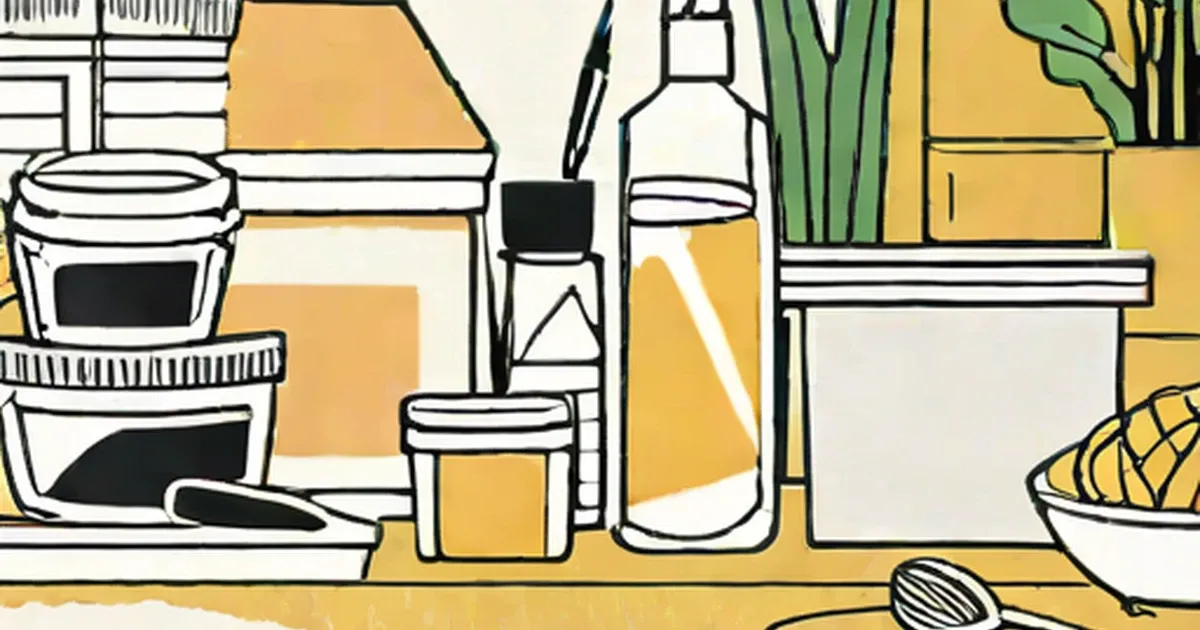
Uses of Polypropylene The different polypropylene properties and uses makes it a very popular choice for various industries. Polypropylene is largely used for manufacturing various housewares. It is used for making superior quality food containers that can be safely washed in a dishwasher. It can also be used for making food cans and syrup bottles that are used for food packaging of various food contents. As different dyes can be mixed with polypropylene, it is used as fiber for making beautiful as well as highly durable carpets. These carpets can be used near swimming pools or other such areas where it is exposed to a lot of water. Polypropylene, in a highly pure form, is used in semiconductor industry. It does not promote growth of bacteria on its surface and hence it is used in the manufacture of various medical equipments. Due to the high impact polypropylene properties, it is often used for making ropes that are required for fishing and agriculture purposes. In the construction sector, polypropylene is widely used in the manufacture of pumps and different types of pipes. In automotive sector, polypropylene is used in making several auto parts
like bumpers, battery cases, etc.
Lots of research work is going on for the purpose of modification of polypropylene properties and uses by the use of certain additives like pigments, carbon black, rubbers, antioxidants, etc. If these experiments are successful in yielding the desired results, then it will open up the scope to use these expanded polypropylene properties in several other ways as well.