Reading Body Language: Examples of Body Language
Do you know there are over fifty different types of smiles? Body language experts can read whether a smile is genuine or fake. Here are a few examples of body language.
The old saying "action speaks louder than words" holds true. Even if you do not communicate verbally, your body speaks volumes, revealing your feelings and emotions — body language and non-verbal communication go hand in hand. In fact, of the pie chart of communication, roughly 70% is non-verbal: studies suggest you can understand what is going on in another person's mind about 55% from their body language gestures and 38% from the tone of their voice, with only a small share coming from the actual words. If you understand the hidden meanings of the various body language signs, you can virtually read a person like a book.
Reading body language is a valuable, learnable skill. It is now an integral part of the selection criteria at job interviews — a candidate may not realize someone on the panel is studying their posture, eye movements and breathing rhythm. Counselors, psychologists and psychiatrists are good at interpreting their clients' body language to understand a problem and prescribe the right therapy, and the army and police use body-language interpretation in crime investigation, looking for telltale signs that reveal whether a suspect is telling the truth.
Examples of Body Language
The parts of the body considered while reading body language are the head (face, forehead, eyes, eyebrows, cheek, chin, mouth), the arms (elbow, hands, fingers), the legs (knees, feet) and the torso (shoulders, back, hips). Here are common gestures and their usual interpretations:
- Biting nails — nervous, insecure
- Drumming or tapping fingers — restlessness or impatience
- Steepling fingers — a display of authority or influence
- Open palms — sincerity, innocence
- Rubbing both hands — anticipation
- Resting the cheek on the hand — thinking, evaluating
- Stroking the chin — trying to make a decision
- Folded/crossed arms across the chest — disagreement or a defensive, reserved attitude
- Walking to and fro with hands clasped behind the back — frustration, apprehension
- Eyes downcast — guilt or boredom
- Rubbing the eyes — disbelief, doubt
- Rubbing or touching the nose — uncertainty, rejection, sometimes lying
- Resting the head on the palms — boredom, despair
- Head tilted to one side — interest, listening (a prolonged tilt, however, indicates boredom)
- Hands on the hips — aggression, readiness, authority
- Brisk, erect walking — confidence
- Kicking the foot while walking or sitting — boredom
- Sitting with hands behind the head and legs stretched — relaxed, confident, thinking
- Walking with hands in pockets and shoulders hunched — dejection
- Patting or fondling the hair — lack of self-confidence, insecurity
- Pulling or tugging the ear — indecision
- Leaning forward — displaying interest
Body Language at the Workplace
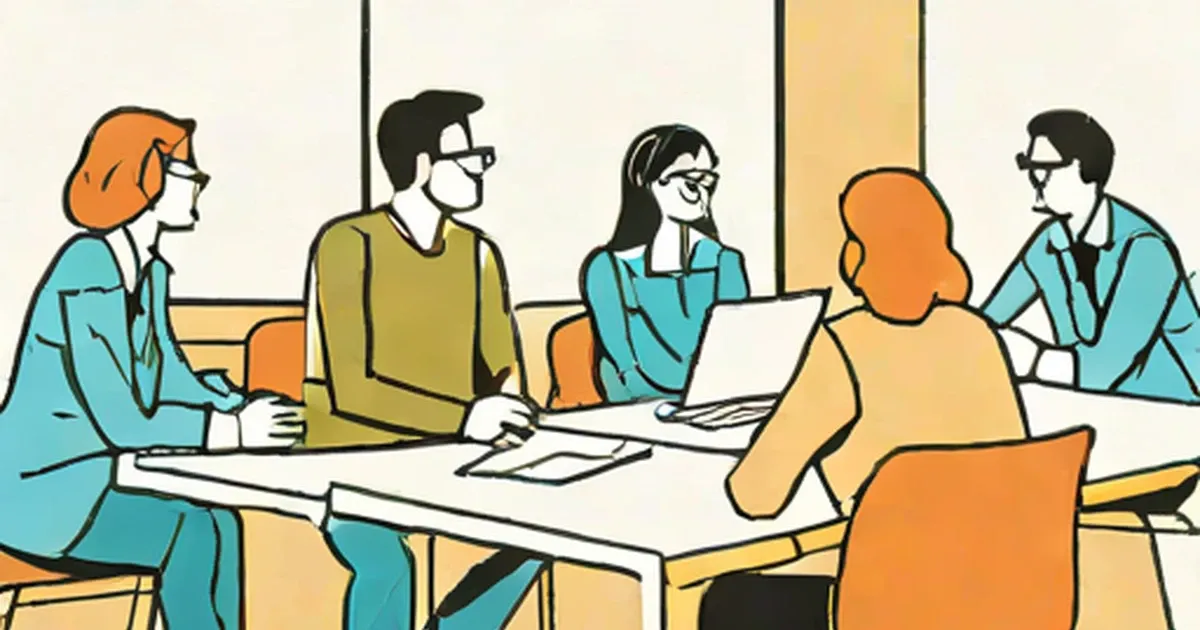
It is important to exhibit positive body language at work to maintain a healthy environment and good relationships with superiors and colleagues. A manager should display an approachable, empathetic manner, and a few signals are worth watching in meetings:
- Body posture and mirroring — if a person stands with their foot and body turned toward you, mirroring your pose, it is a sign of agreement; a posture that does not mirror yours suggests disagreement. Two people who mirror each other's posture are thinking along similar lines.
- Crossed arms — sitting with arms tightly crossed is a defensive position that signals disagreement, so it is better to keep the arms uncrossed (or crossed on the lap).
- Facial expression and eye contact — the face mirrors inner emotions such as anger, fear or sadness; steady eye contact signals interest, while downcast eyes may indicate someone is hiding something or feeling guilt.
Body Language and Signs of Attraction
Body language is also revealing in social and romantic settings. If someone's elbow brushes against yours, it can indicate they want your attention or affection. Watch the feet and knees — they tend to point toward the person someone finds most attractive — and note when a person forms a "closed" position, facing the person they fancy directly. A man may suck in his stomach and puff out his chest to catch the eye of a woman he is attracted to, while a woman may play with her hair, show her wrist, or give a tight-lipped smile with a sideways upward glance — a look that awakens a protective, parental feeling in men. Steady eyes signal a calm, confident self; staring eyes suggest anger; and shifty eyes hint at anxiety or deceit. People who cross their arms tend to be reserved and closed to social influence, while resting the arms behind the neck signals openness to discussion.
Remember that one gesture can mean different things: dilated pupils indicate interest and attraction, but may also result from alcohol or drugs, and a head tilt with a smile can signal flirtation or simply an attempt to appear honest. Body language is a vast and fascinating subject — learn a few of these gestures and they may prove helpful in your daily life, in team building, and in establishing understanding between people.