Is Cheese Healthy
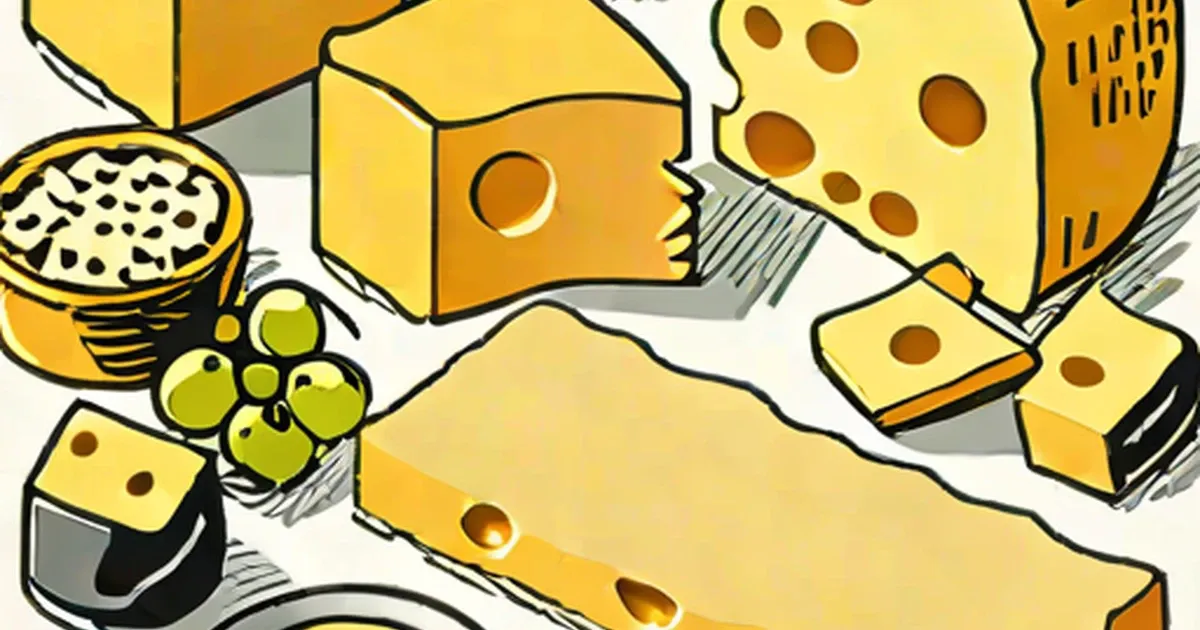
This article dwells on ‘is cheese healthy for you?’ Cheese is a food item prepared from the milk of cows, goats, buffaloes, etc. Cheese contains an ample amount of essential nutrients and minerals such as calcium which strengthen teeth and bones. It also contains a lot of fat and calories. So is cheese good or bad for health?
White, delicious cheese has been around for over 4000 years or so. Made mostly from the milk of cows, goats and buffaloes, cheese is a nutritious food item relished by scores of people across the globe. The human palette has the option to choose from more than 600 different types of cheese, which vary in flavor, texture, region where it’s prepared and type of manufacturing processes involved. Of all the types of cheese, cheddar cheese is the most popular cheese in the United States. Moreover, it’s the most consumed cheese in the world. Cheese is available in different forms: slices, cubes, blocks, shreds, strips, etc. all ready to be added to pizzas, sandwiches, puffs, soups, desserts and scores of other delicacies. Although popularly consumed across the globe, is cheese healthy? Is cheese good for health?
Is Cheese Good or Bad For You?
What makes anything good or bad? Its constituent elements. Similarly, if cheese has to be graded, it will be graded on its constituents. For this let’s have a look at the nutritional value of cheese. The actual content of nutrients will vary from one type of cheese from another. So we will have a look at the nutritional values of some popular cheeses we consume on a day to day basis. Read more on cheese ingredients.
Cheddar Cheese
Nutrient
Value
Fat
9 grams
Protein
7 grams
Calcium
204 milligrams
Sodium
176 milligrams
Calories
114
Mozzarella
Nutrient
Value
Fat
6 grams
Protein
6 grams
Calcium
143 milligrams
Sodium
178 milligrams
Calories
85
Parmesan
Nutrient
Value
Fat
7 grams
Protein
10 grams
Calcium
336 milligrams
Sodium
454 milligrams
Calories
111
Blue Cheese
Nutrient
Value
Fat
8 grams
Protein
6 grams
Calcium
150 milligrams
Sodium
395 milligrams
Calories
100
Thus, we see how cheese contains ample amounts of fats, sodium and calcium. Now considering the above table, let’s find out if is cheese is healthy or not!
Fat Content
The fat and calorie content in cheese is quite high. Due to the high fat content, several people eliminate cheese from their daily diet. In fact, the papers of February 2010, flashed the news that parents are concerned about child obesity issues and requested for healthier school lunches. St. Vrain School District and Douglas County school nutrition directors worked with Leprino Foods and came forth with a 100 percent real low fat Mozzarella cheese to replace the regular Mozzarella cheese on the pizza.
All this extra elbow grease was released to minimize the amount of fat children take in from their daily lunches. Consuming cheese on a daily basis is not something you want to do if your trying to lose weight. Thus, cheese is not good for weight watchers. But, then again the cottage cheese diet plan claims to help people lose weight. Therefore, cheese cannot be termed as good or bad in case of weight gain if we consider all these points.
Is Cheese Good for the Heart
People with high blood pressure need not completely eliminate cheese from their diet, but need to have cheese in moderate amounts. Cheese contains a lot of sodium, which is not good for hypertensive people. The label of the cheese will tell you how much sodium the cheese contains. This will help you regulate your sodium intake through cheese consumption.
Is Cheese Good for your Teeth
Cheese is high in calcium content. Calcium is an important mineral required for the body, as it along with other minerals like phosphorus form our bones and teeth. It also regulates our muscle contractions, assists blood clotting, regulates hormones and helps maintain regular blood pressure. An adult (18-50) requires around 900 mg of calcium every day, while people beyond 50 require 1200 mg of calcium every day. Our bodies require a constant supply of calcium, to maintain healthy bones and prevent osteoporosis. Since cheese contains ample amounts of calcium, consuming it helps us furnish the required calcium to the body.
Cheese and Pregnancy Is cheese good for you if you are pregnant? The demand for iron, iodine, calcium and folates by the body increases during pregnancy. During the last trimester, the growing fetus requires a lot of these nutrients for healthy bone and body growth. Beyond six months of pregnancy, pregnant women are recommended to take 1000 mg of calcium every day. Consuming 30g of cheese daily will help furnish the body with the required amounts of calcium.
A mere ounce of cheddar gives 200 mg of calcium. Thus, considering the calcium benefit we receive from cheese, cheese is good for pregnant women. However, when one consumes soft cheese like feta, goat cheese, brie, etc. there are chances that the cheese is contaminated with a bacterium called Listeria. Consuming contaminated cheese can make you and your baby sick. Thus, to ensure the baby’s safety, one should stick to eating hard cheeses during pregnancy.
Cheese and Lactose Intolerance The intensity of lactose intolerance varies from people to people. While some may have consumed quite a few dairy products before experiencing discomfort or lactose intolerance symptoms
, others may encounter severe difficulties after just one bite or sip of a dairy product. Thus, lactose intolerant people need to be careful and keep away from cheese if their body reacts negatively to it.
However, as cheese ages, the lactose sugar in the cheese gradually transforms into lactic acid. Lactose intolerant people are unable to digest the lactose because of the absence of enzyme lactase, however, lactic acid causes no distress to such people. Another point to be noted here is that this will work only for people who are mildly lactose intolerant. As the cheese ages, the less lactose it contains and the less trouble it will cause.
Cheese and Hormones
Cheese is prepared from the milk of cows, goats, buffaloes, etc. However, the milk we get in the stores is not like what our parents or grandparents drank when they were kids. The cows today are injected with hormones and antibiotics. These hormones seep into the body system from the milk consumed. So when such milk is used to prepare cheese, what can we expect from cheese!
Read more on :
- Is Milk Good for You
- Types of French Cheese
Overall cheese cannot be termed as good or bad. Consuming cheese on a moderate basis will help you not gain too much weight, will not increase blood pressure and will help strengthen one’s teeth. It’s always important to remember to consume a healthy, balanced diet and not indulging on one particular food item in excess. The key here is balance! Hope this article on ‘is cheese healthy’ is informative and helpful!