Right Atrial Enlargement
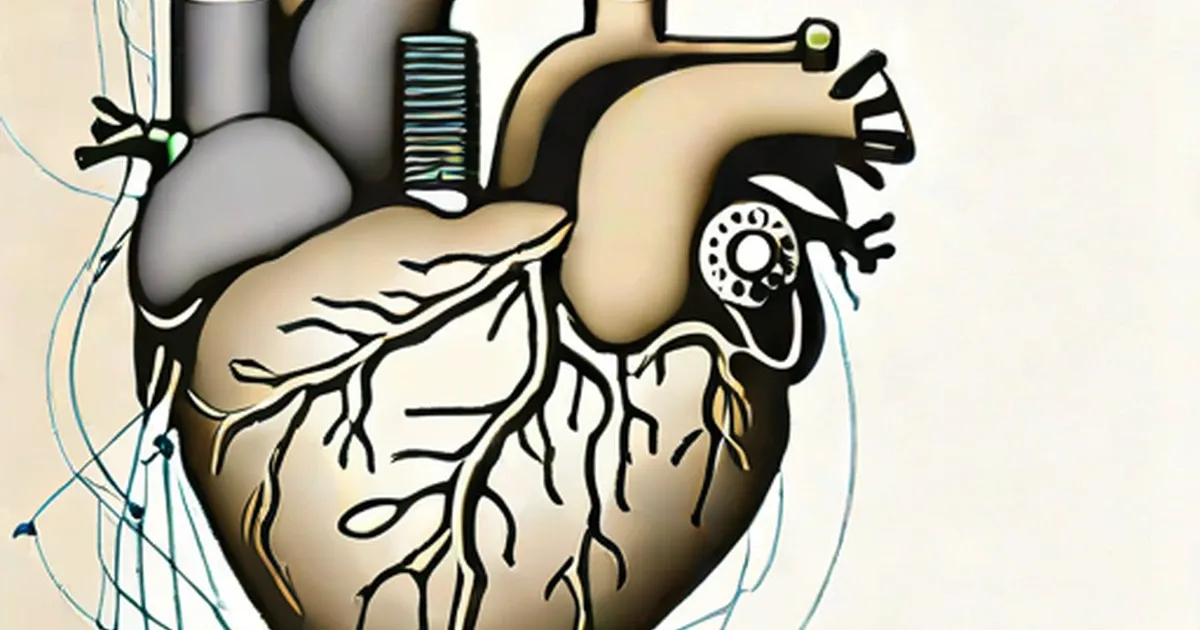
Right atrial enlargement may occur as a consequence of lung diseases like bronchitis or heart valve disorders like mitral stenosis. To know more about right atrial enlargement symptoms, read on…
The heart weighs around 200 – 400 gm and is about the size of a fist. It’s primarily composed of 4 parts, known as chambers. The functioning of the human heart is related to the proper coordination between these 4 chambers. These four chambers are called left atrium and right atrium (lie in the upper part of the heart), and left ventricle and right ventricle (located in the lower part of the heart). Blood circulation between these 4 chambers takes place with the help of heart valves that transport blood from one chamber to another.
Now, after having a general idea about the 4 chambers of the heart, we are in a position to understand right atrial enlargement. It is a condition of the heart where there is an enlargement of the right atrium, due to some infection. This increase in size of the right atrium is nothing but a deviation from its normal size, and is referred to as right atrial enlargement. Fatigue, chest pain and breathing problems are some of the common right atrial enlargement symptoms.
Functioning of the Heart The heart is an organ that provides fresh oxygenated blood to the different parts of the body. However, the heart also receives impure (de-oxygenated) blood. So how does the heart work
? Impure blood from the legs and upper body gets accumulated in the right atrium, which is then transferred to the right ventricle through the tricuspid valve. From the right ventricle, the blood moves through the pulmonary artery to the lungs, for purification. Once the lungs complete their designated task, fresh oxygenated blood is then transferred to the left atrium. The blood is then passed down to the left ventricle through the mitral valve. The blood then flows out of the left ventricle and is distributed throughout the body.
Right Atrial Enlargement Causes Why does the size of the right atrium increase abnormally? When the size of right atrium increases, it is a symptom of an underlying medical problem. People suffering from high blood pressure have a higher chance of suffering from this heart disease
. Following are the reasons that could trigger enlargement in right atrium.
Lung Disease As lungs play a very important role for normal functioning of the heart, any lung disorder may cause this heart problem. Disorders such as bronchitis or chronic obstructive pulmonary disease
(COPD), can cause high blood pressure in the pulmonary artery that collects blood from the right ventricle. High blood pressure may ultimately lead to right atrial enlargement.
Tricuspid Stenosis
This is a problem associated with the heart valve in which the tricuspid valve is unable to perform its job properly. As we all know, the valve that is between two chambers located on the right side of the heart, is the tricuspid valve. This valve ensures normal circulation of de-oxygenated blood from the right atrium to the right ventricle. Tricuspid stenosis is a heart valve disease in which the opening of the tricuspid valve is partially blocked, thus decreasing the flow of blood between these 2 chambers. In order to restore normal blood flow, the right atrium has to send the blood with more force, so that it passes through the narrowed opening of the tricuspid value. In case the blood is not pushed forward with extra force, there is a high probability that the blood may start moving backwards and cause further complications. So, this extra workload on the right atrium, often manifests in the form of right atrium enlargement.
Mitral Stenosis
As aforementioned, the mitral valve lies between the left atrium and the left ventricle. Thus, one can say that the mitral valve is involved in the management of proper blood flow between the atriums and the ventricles. Any issues with this valve such as narrowing of the mitral value can cause right atrial enlargement. In most cases, tricuspid stenosis is followed by mitral stenosis that leads to this problem.
Pulmonary Embolism
The pulmonary artery connects the right ventricle to the lungs. Now, this artery transports impure blood to the lungs for purification. Pulmonary embolism interferes with free flow of blood between the heart and the lungs, as a blood clot is formed somewhere in the pulmonary artery. Thus the heart has to work harder to try and normalize the blood flow in the pulmonary artery. As a side effect of these extra efforts, the heart may show right atrial enlargement.
Tricuspid Regurgitation
This condition is related with the malfunctioning of the tricuspid valve. It is observed that the tricuspid valve opens only when there is a need of transfer of blood from the right atrium to the right ventricle. When the right ventricle fills completely, the tricuspid valve must close immediately. If the valve does not close after the ventricle is full, the blood may start moving backwards (tricuspid regurgitation), towards the right atrium. This excessive pressure of blood flow reversal can cause right atrial enlargement.
Mitral Regurgitation
Mitral regulates blood circulation between left atrium and left ventricle. If the mitral valve fails to close itself after the left ventricle is full, the blood may flow in the opposite direction i.e towards the left atrium. These disturbances in normal blood flow in the heart may lead to right atrial enlargement.
To know more about heart problems, read
- Left Atrial Enlargement
- Cardiovascular Diseases
Right atrial enlargement treatment focuses on correcting the underlying cause. Regulating the blood pressure is the key to control heart problems. So doctors may prescribe medications to control high blood pressure. Diurectics may be used to stop the build up of blood in the mitral or tricuspid valve. Respiratory disorders like COPD are treated with appropriate medications like bronchodilators (inhalers) and antibiotics to reduce COPD symptoms.