Taliban No 2 ‘was Caught in Us Attack’
Senior Afghan military officials said yesterday that they believed the deputy leader of the Taliban regime was hiding in the eastern Afghan mountains during intensive US attacks there last week.
Senior Afghan military officials said yesterday that they believed the deputy leader of the Taliban regime was hiding in the eastern Afghan mountains at Shah-e-Kot when US troops launched their operations there last week.
According to Saranwal Mir Jan, an official in the ministry of defence in Kabul, intelligence reports revealed that Maulvi Abdul Kabir - the deputy to Mullah Mohammed Omar and Taliban commander for the eastern provinces - was in the cave network at Shah-e-Kot just 10 days ago.
It was not clear where Mr Kabir was now. Either he died in the intense bombing and ground attacks of Operation Anaconda or he escaped during the fight, Mr Jan said.
“Those people who are fighting there all belong to Maulvi Kabir,” Mr Jan said. “Kabir himself was there 10 days ago. Either he was killed or he escaped from the area. Since the American bombing began we have had no more information about him.”
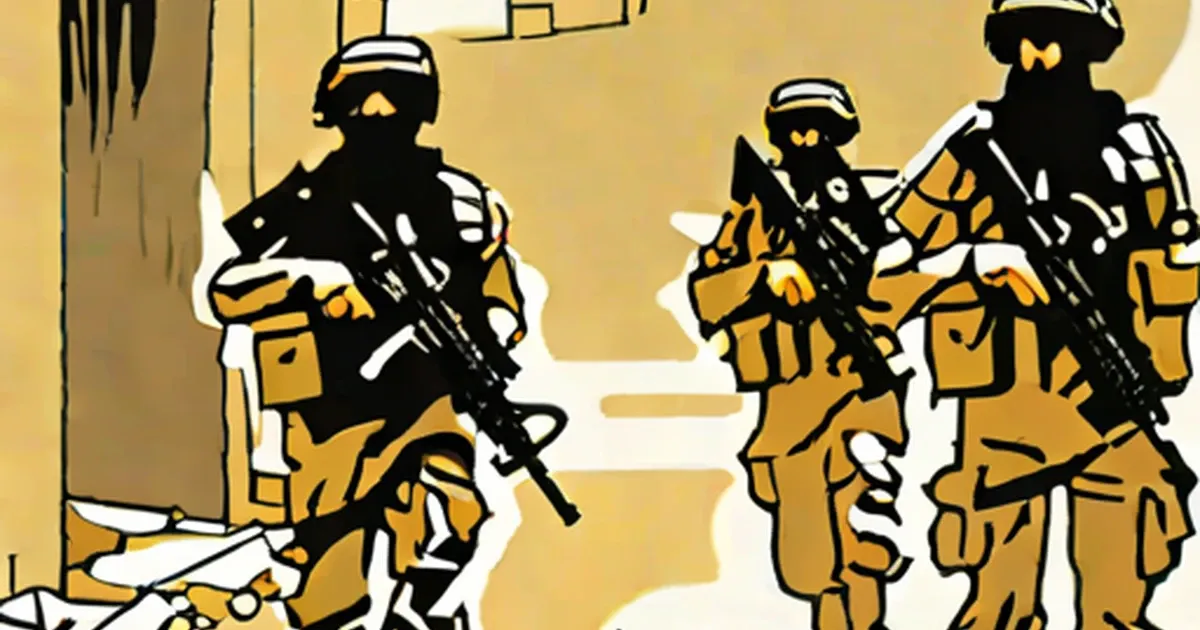
Afghan generals claimed last night that the battle around Shah-e-Kot was over, after hundreds of defence ministry troops, led by US forces, pushed the rebels into full retreat and cleared the caves of survivors.
Major Bryan Hilferty, a US military spokesman in Afghanistan, said that “eleven days into the fighting, hundreds of terrorists and killers are dead. Some are captured and others are alive and on the run. We will continue combat operations in these areas until we remove these parasites from Afghanistan.”
US military officials said they did not believe that Osama bin Laden or Mullah Omar were in the mountains, but they said there was at least one, unnamed, “high-value” target there.
The only other leader known to be at Shah-e-Kot was Saifur Rehman Mansoor, a local cleric and warlord.
Defence ministry officials have identified Khost, Ghazni, Wardak and Paktia - the scene of the latest fighting - as areas where the Taliban and al-Qaida fighters may regroup.
An aide to General Mohammad Fahim, the defence minister and head of the Northern Alliance, said: “Up to 5,000 troops will be deployed and stationed in these areas. Our forces will not attack them right away. We will first warn them through our contacts, like the town elders,” he said.
“If they refuse to stop stirring trouble and don’t distance themselves from foreign agents and terrorism, we will move on them.”
The ferocity of the resistance at Shah-e-Kot had suggested that senior Taliban or al-Qaida figures were present. Eight US soldiers and seven Afghan government troops were killed in the operation, which quickly became the largest of the war.
Afghan commanders on the front line outside Gardez were yesterday discussing a possible 10-day ceasefire which would allow Taliban and al-Qaida troops to surrender or leave the mountains without a fight.