
Cracked Heels Causes
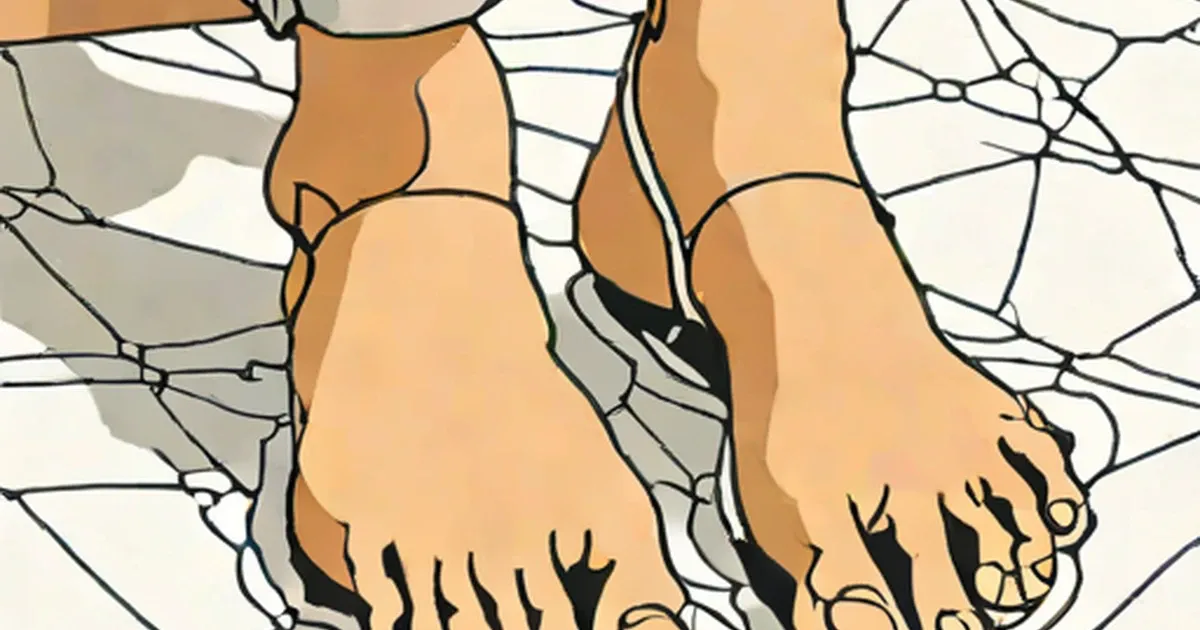
Cracked heels causes comprise obesity, diabetes, hypothyroidism, dry skin, heel spurs and various other causative factors. When the dry skin cracks, it forms deep fissures and ends up bleeding and hurting if not taken care of.
This article dwells on cracked heels causes and also provides the necessary information about the symptoms, pain and treatment of dry cracked heels. Cracked heels, commonly referred to as heel fissures, are one of the most common foot disorders affecting us and are also one of the most commonly ignored conditions. How often do we stop to think how our poor feet handle the wear and tear of daily life? All the running around, standing for long hours, followed by lack of feet care conduces to formation of fissures on the feet. Cracked heels are often dismissed casually as they are not deleterious; however, they can conduce to a perpetually painful problem. Though it does not cause any harm, it looks ugly and often poses as a cosmetic problem.
What Causes Cracked Dry Heels?
Dry skin around the rim of the heels leads to abnormal thickening and fissuring of the skin. Inactive sweat glands also cause the heels to dry up and crack. Standing for extended hours tends to damage the sweat glands and dry the heels. Prolonged standing leads to application of constant pressure on the heels, thereby resulting in development of cracks — a problem that worsens on hard floors. Moreover, obese people have a lot of extra weight on the legs and feet. This extra weight also conduces to the damage of sweat glands, and as the pressure increases, the heel pads are pressed outwards and expand laterally until the dry skin ruptures.
Some disorders and diseases inflicting the body such as hypothyroidism, diabetes, psoriasis, athlete’s foot, eczema or atopic dermatitis, juvenile plantar dermatosis, heel spurs, etc. can also result in drying of the heel skin. Improperly aligned metatarsal bones are another factor that causes cracked heels, and flat feet as well as high arched feet can be vulnerable too. People on antihistamines and diuretics are also seen to be affected by dry heels. The aging process results in gradual damage of the sweat glands in the feet. Deficiency of essential vitamins and minerals results in inadequate provision of nutrients to the skin, which is why drying and scaling of skin is seen. Of all these factors, diabetes and obesity are the major causative factors: uncontrolled sugar levels damage the nerves in the feet of diabetic people, leading to dry skin and cracked heels, and diabetics are also more vulnerable to cracked heel infections.
Besides these, several everyday factors contribute to heel fissures:
- Exposure to extremely cold outdoor temperatures or excessively dry indoor heat. Cracked heels in summer are caused by loss of water from the skin, while decreased humidity leads to cracked heels in winter.
- The way a person walks — an abnormal gait concentrates pressure on the heel and encourages the callus to crack.
- Constantly wearing open-back or thin-soled sandals for daily wear, which lets the fat pad under the heel expand backwards under pressure.
- Excessive use of hot water, which strips moisture from the skin.
- Improper self care and hygiene — for instance, not washing the feet after a dusty day around the city.
Cracked Heels Symptoms and Pain
Heel fissures are initially very small; however, constant negligence causes them to deepen and widen. Depending on one’s skin type, the color of the dry skin varies from yellow to dark brown, and red, flaky, itchy patches are also seen. Peeling and cracking of the heel skin speeds up. The outer edge of the heel becomes hard, and as the fissures deepen they begin to bleed and become painful. For a number of people, cracked heels pain is a chronic problem — it is caused when the heels bear the full weight of the body and intensifies with walking, running and other physical activity. Wearing open or thin-soled shoes in this condition aggravates it further. If the cracks are not treated, cracked heel infection caused by bacteria and viruses can occur.
Treatment and Home Remedies for Cracked Heels
The market is flooded with all kinds of treatments for dry cracked heels. Various exfoliants and moisturizers are available in supermarkets and drug stores, and several ayurvedic products are available to heal cracked feet. One can either try these products or look for natural measures. Soaking the cracked feet in lemon juice for 10 minutes once a week helps heal the skin. If the cracks are not too deep, a pumice stone can be used to scrub off the dead, thick and dry skin cells. Application of ripe banana pulp on the cracked portion for 10 minutes also helps clear the cracks.
One of the most effective home remedies is to apply a thick layer of petroleum jelly on well-washed heels at night and wear socks before going to bed. If you are not a fan of petroleum jelly, an oil-based moisturizing cream applied twice daily — once after a bath and again at bedtime, again followed by socks — works just as well. Switching from open-heeled to closed, good shock-absorbing shoes prevents further occurrences. If the cracked heel is caused by athlete’s foot, mix an emollient with an anti-fungal cream, since clearing the fungal infection is essential before the heel can repair.
While treating cracked feet, one needs to be patient. Some people succumb to impatience and end up chipping their cracks with scissors, blades or other objects — this practice is completely wrong. If the hard skin needs to be removed, have it done by a health care professional to avoid infection. Hope this article on cracked heels causes was helpful!