Dominican Republic Facts
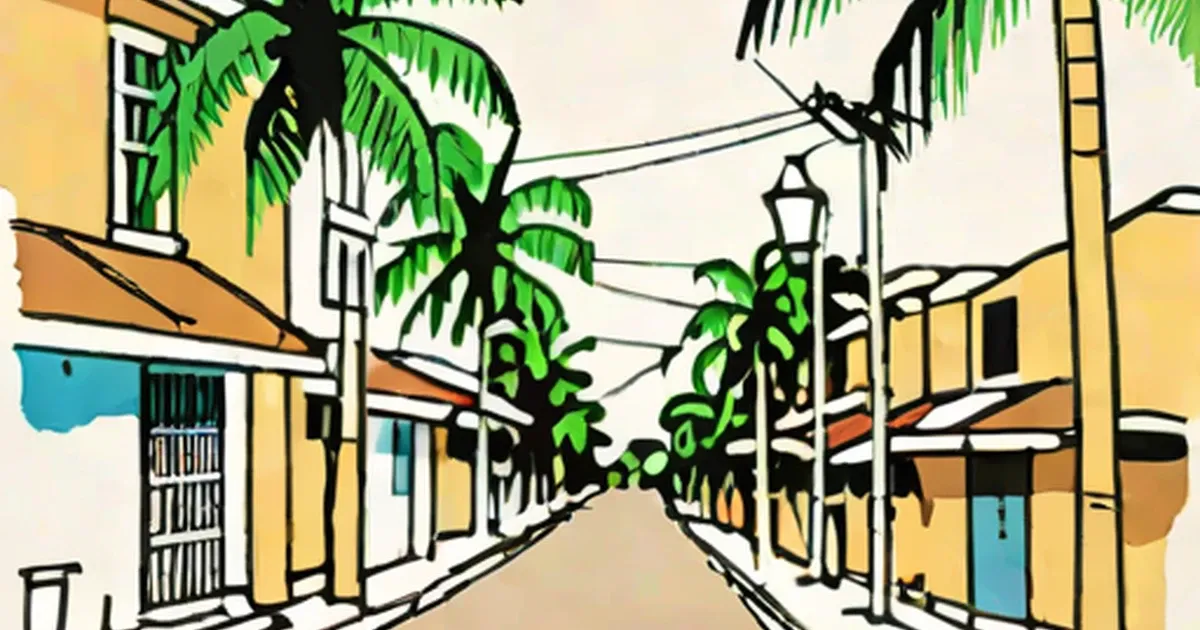
Go through the Dominican Republic facts and you’ll be surprised to know about how unique and welcoming this place is! Read on“
“ C’mo e’tamo’? This means ‘how are you doing today?’ in the Dominican Republic! Also known as Dominicana Republica, it is the second largest Caribbean nation after Cuba. The Dominican Republic is situated on the island of Hispaniola. It also shares the Caribbean island with Haiti, making the Caribbean island one among the 2 islands that is shared by two different countries!
Christopher Columbus
explored the Dominican Republic in 1492. The country was taken over by the French, and even the land of Haiti, but after the Dominican War of Independence in 1844, the country was victorious over the enemy. This article further discusses about the Dominican Republic facts and information that will help you to understand the country even more. Have a look“
Interesting Dominican Republic Facts
The Dominican Republic facts and history are very much inter related, this is because the Dominican Republic History is very interesting one. After Christopher Columbus explored the country, it was ruled by Spanish domain for a long period of time. However, it was in 1697, French dominion was established on the western third of the island, which began to be known as Haiti in 1804. Have a look at the facts below and know more.
- Apart from the island of Haiti, the rest was known as Santo Domingo, which is now the name of the capital of the Dominican Republic.
- It was only when the country gained independence in 1844 that it was called Dominican Republic.
- Rafael Leonidas Trujillo ruled the Dominican Republic from 1930-61, followed by Juan Bosch.
- The current president of Dominican Republic is Leonel Fernandez who was elected in 2004.
- There are 3 dates of independence in the country, first; December 1, 1821, when it got independence from Spain, Second; February 27, 1844, when it got independence from Haiti, and third; August 16, 1865, when it again got independence from Spain.
- However, February 27 is considered to be the national holiday, as it is the independence day of the Dominican Republic.
- The Dominican Republic is known for its sugar processing, which is one of the main industries in the country. Apart from that, other main industries in the Dominican Republic are tourism, tobacco, ferro-nickel and gold mining, cement, textiles etc.
- The main holidays in the Dominican Republic are Feb 27; independence day, Jan 26, Duarte’s Day as Juan Pablo Duarte was one of the founding fathers of the Dominican Republic, and May 1; labor day.
- A great festival known as the Las Navidades is celebrated from Dec 15 – Jan 6, wherein all people celebrate Christmas season.
- Los Bufones is one of the most sought after and famous carnivals in the country.
- In 2006, Bajos De Haina, which is a city almost 12 miles away from Santo Domingo, was included in the list of the top 10 most polluted places in the world due to lead poisoning. Although the cleaning began in 2008, even now many children are born with high levels of lead in the body which leads to impaired physical growth, learning disabilities and kidney failure.
- The Cibao Valley is the most fertile valley in the Dominican Republic which is also where most of the farming takes place. Santiago is also situated in the same valley.
- The Caribbean Coastal Plain, which is also known as the Llano Costero del Caribe is the largest plain in the country.
- The longest river in the Dominican Republic is the Yaque del Norte, which is also considered to be the most important river in the nation.
- The national flower of the country is the West Indian Mahogany and the national bird is the Palmchat or Cigua Palmera
- The national anthem of Dominican Republic is Himno Nacional, although, the term ‘dominican’ never appears in the national anthem.
- The Dominican Republic is also called as La Rep’blica Dominicana and is one of only two countries that has a demonym-based name. The other country is the Central African Republic.
Additional Facts about the Dominican Republic
In addition to the Dominican Republic facts above, below mentioned is some factual information that you might be interested in.
Dominican Republic Facts and Figures
Details
Fact Information
Capital
Santo Domingo
Area
48,442 square kilometres
Government
Representative Democracy
Constitution
28 November 1966; amended 25 July 2002
Official Language
Spanish
Ethnic Groups
White 16%, Black 11%, Mixed 73%
Population
2009 estimate: 10,090,000
Religion
Roman Catholic (95%)
Motto
“
Dios, Patria, Libertad
“(Spanish), which means “God, Fatherland, Liberty”.
Currency
Peso
Climate
Mostly tropical climate. A lot of variation in seasonal temperature, there is noticeable seasonal variation in the rainfall as well.
Apart from the aforementioned facts about the Dominican Republic do you know about the hospitality of the country? The people of Dominican republic are known for their hospitality and welcoming nature. They take pride in going out of their way to make the guest feel comfortable. Food is also an important part of the culture of the Dominican Republic, ‘ Bandera Nacional or ‘the flag of the nation’ is the main dish of the country which is made of beans and rice. They are also big baseball fans, which is why many professional baseball players of the United States come from this country. An example for the same would be Albert Pujols, who is among the famous people in the Dominican Republic. There are many famous Dominicans involved in creative field like music, poetry, writing etc. The Dominicans usually stay in joint families, and family values and traditions are very important to them. I am sure after reading these interesting Dominican Republic facts, you would want to explore the hospitality of this tropical island in the Caribbean and its people. As a matter of fact, the Dominican Republic is known for its tourism and communications which are the upcoming areas in the country. So don’t wait to explore the Dominicana Republica!! Don’t forget to say Hola, “c’mo est’s? (Hi, how are you?) when you reach there!