How to Make Activated Charcoal
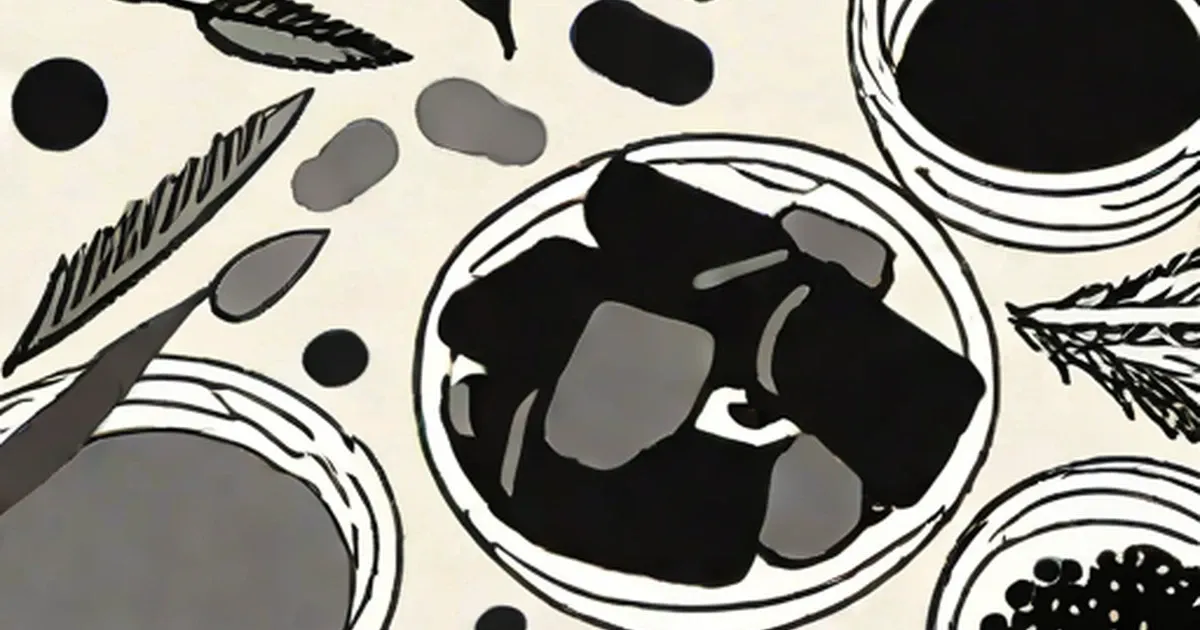
Activated charcoal can be made at home by chemical activation process. The requirements for making activated charcoal are coconut shells, calcium chloride or zinc chloride solution, burning sink, oven and blender. Read on to know how activated charcoal is made..
Activated charcoal is a form of carbon with an increased surface area for adsorption. It is also referred to as activated carbon, active charcoal or at times, activated coal. In order to produce activated charcoal, a carbon source is treated under certain conditions to increase its surface area and / or number of pores. On an average, the estimated surface area for a gram of activated charcoal is about 500 square meter.
The adsorbing characteristic of activated charcoal is used for many purposes. When a compound passes near activated charcoal, the latter adsorbs the substance by chemical attraction. It is considered as the most effective poison antidote till date. If administered early, activated charcoal can adsorb about 60 - 70 percent of the ingested poison. Due to its various benefits, activated charcoal is produced on a large scale. Commercially, it is available in the form of dry powder, liquids and tablets.
How to Make Activated Charcoal Activated charcoal can be made at home by chemical activation procedure, provided you have the required materials and equipments. Though any organic material can be used as precursor or raw material for producing activated charcoal, you should select a non toxic carbon
source with absorbent properties. You can make use of coconut shells or hardwood. Let’s discuss in brief how to make activated charcoal using coconut shells as the raw material.
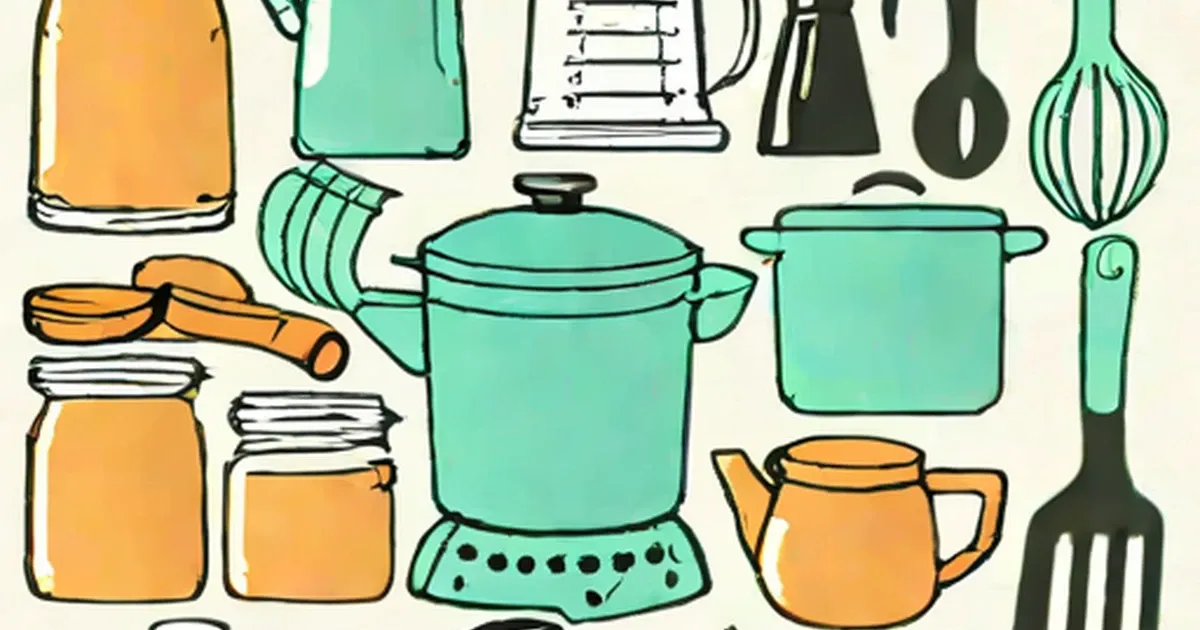
First of all, keep all the required materials ready for making activated charcoal; you need coconut shells (without meat), burning sink, oven, 25 percent concentrated solution of calcium chloride (CaCl2) or zinc chloride (ZnCl2), sterilized water, plastic pail, draining tray, zipper bags and blender. Before starting the procedure, you can strip off coconut shells, wash thoroughly with clean water and allow them to dry completely. If drying is not done properly, they may be difficult to burn.
Add the dried coconut shells in the burning sink by adjusting the temperature to about 600 - 900 degrees Fahrenheit. Maintain the recommended temperature range and burn continuously for about 4 — hours or until the coconut shells turn into ash. For safe handling, you can leave the ash until it cools down. After the ash has cooled down, carefully take out the ash from the sink and transfer it into a clean plastic pail. Then, pour the 25 percent concentrated solution of calcium chloride or zinc chloride into the plastic pail.
The amount of calcium chloride or zinc chloride solution should be such that the ash is soaked completely into the solution. Cover the pail with a lid and leave for 20 - 24 hours. During this process, the chemicals are impregnated into the ash, after which further treatment will transform the ash into activated charcoal. The next step is removing the charcoal from the chemical solution and transferring it into a draining tray. Allow solution to drain for about 1 hour.
For removal of any trace chemicals from the charcoal, you can wash and rinse repeatedly with sterilized water. Thorough washing is essential in order to get rid of the chemical solution, which is one of the most common problems in the making of activated charcoal by chemical activation procedure. After washing, keep the charcoal in the tray for draining water. Following this, transfer the charcoal into an oven, setting the temperature to about 215 - 230 degrees Fahrenheit and bake for about 3 hours.
After baking, remove the activated charcoal from the oven and crush it with the help of a blender. You can also grind the activated charcoal into powder form by using a hammer. For future use, store the powdered activated charcoal into zipper bags or airtight containers. This way you can make activated charcoal on your own.