Turkey Vulture Facts
Turkey vultures are one of the amazing birds that are found in America and are known for some really interesting habits and characteristics. Find out some important turkey vulture facts with this article.
Turkey vulture or Cathartes aura, is one of the most common vultures found in America. Vultures are generally categorized as new world and old world vultures. The group of new world vultures belongs to the family, Cathartidae, which includes black vulture, the King vulture, storks and California condon, in addition to turkey vulture. On the other hand, the old world vultures include eagles, kites, hawks and buzzards, which are the members of the family Accepitridae.
The new world vultures can be differentiated from their old world counterparts by the structure of their beaks and feet. The old world vultures possess strong beaks and their feet are characterized by sharp hooked claws. On the Contrary, the beak of the new world vultures are weaker and their feet resemble to those of chickens, which allows them to hold the food in place but they cannot lift or carry it to some other place. Read more on different types of birds.
Turkey Vulture Facts
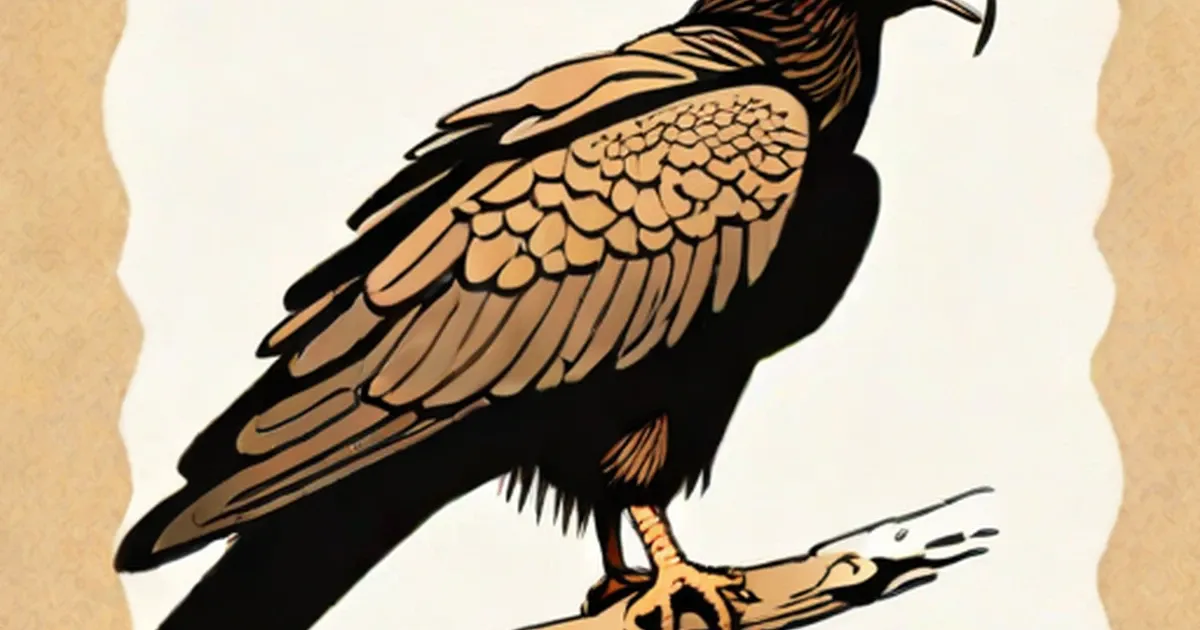
Turkey vultures are widely found in North America and are also known as turkey buzzards. The adult turkey vultures can weigh up to 6 pound, reaching the length of 25 to 32 inches. The wingspan of the vultures can be about 6 feet. The name turkey is given to them due to the bald, red head that closely resembles that of a wild turkey. Their feet closely resembles the feet of a chicken, which they cannot use to lift or carry food. Instead, their feet are especially designed to hold food in place while eating. Apart from these, turkey vultures have several other distinguishing characteristics, regarding their habit, behavior, and food and habitat. So, find out some fun facts about the vultures below.
Turkey Vulture Habitat
They generally prefer wide open spaces, especially coastline, deserts and plains. However, they can live in a wide range of habitats, including tropical and temperate forests and grasslands.
Turkey vultures
are one of the most widely found new world vultures in United States. They can also be found along the east and west coast of North Canada and Central South America.
Food or Diet of Turkey Vultures Vultures are basically scavengers, that feed on carrion or carcasses of dead animals. So, like other vultures, turkey vultures too survive on carrion and cannot kill their prey. They usually thrust their heads inside the carcass. Here, their bald head serves an important purpose, while they eat carrion. The fact that their head is bald keeps it clean, while they stick their head inside the body cavity of the carcass. If there would have been feathers on their head, these would have caught unwanted pieces of meat, creating a favorable environment for the growth of bacteria and other harmful microorganisms. Turkey vultures have an extraordinary sense of smell, which enables them to find out a carcass just within 24 hours of its death. They are also empowered with a sharp eye sight, which helps them to search food. If need arises, turkey vultures can also live on vegetation.
Breeding
Turkey vultures usually lay 1 to 3 eggs in a year in the spring season. The incubation period is generally 38 to 41 days, after which the eggs hatch. All the responsibilities for incubating as well as caring the young ones, are shared by the both parents. The young ones become capable of flying or they fledge within 70 to 80 days after they hatch. Turkey vultures do not build nest for laying eggs; instead they lay eggs in caves or on the ground. An adult turkey vulture can live up to 16 years in wild, while in captivity, they can survive till 30.
Other Turkey Vulture Information
Turkey vulture have limited vocalization capabilities, as they do not have vocal organs. Their vocalization capabilities are restricted to making hisses and grunts. A hiss is made when they sense danger and feel threatened. On the other hand, a grunt is made either when they are hungry or while courting. One of the most interesting turkey vulture facts is that it is a very gentle and non aggressive bird. It basically uses vomiting as means of self defense. So, whenever the bird feels threatened by a predator, it throws up semi digested food. The foul smell of the semi-digested food forces the predators to move away from it. At the same time, the body weight of the bird gets reduced due to vomiting, which allows it to fly away quickly.
Another peculiar fact about turkey vulture is that it urinates on its legs. As the vulture does not perspire like human, the act of urinating on the legs helps it to cool itself in summer. At the same time, the strong acids of its urine kill bacteria on the legs. The legs come in contact with bacteria when the bird treads food or the dead and decaying animal bodies. Turkey vultures are often observed sitting on the trees, with their wings spread, which is referred to as ‘horaltic pose’. They do it to warm their body and dry their wings. However, it also helps them to destroy the bacteria, by baking them off in the hot sun.
Turkey vultures are considered as pest, mainly because they pose threat to aircraft. Because of their pest status, several methods like sound deterrents are employed for controlling them. However, restrictions have been imposed on the use of some of the controlling methods to protect this bird, which is done under the Migratory Bird Act of 1918. Hope this article on turkey vulture facts have provided you some useful information about this bird.