Nocturnal Animals List
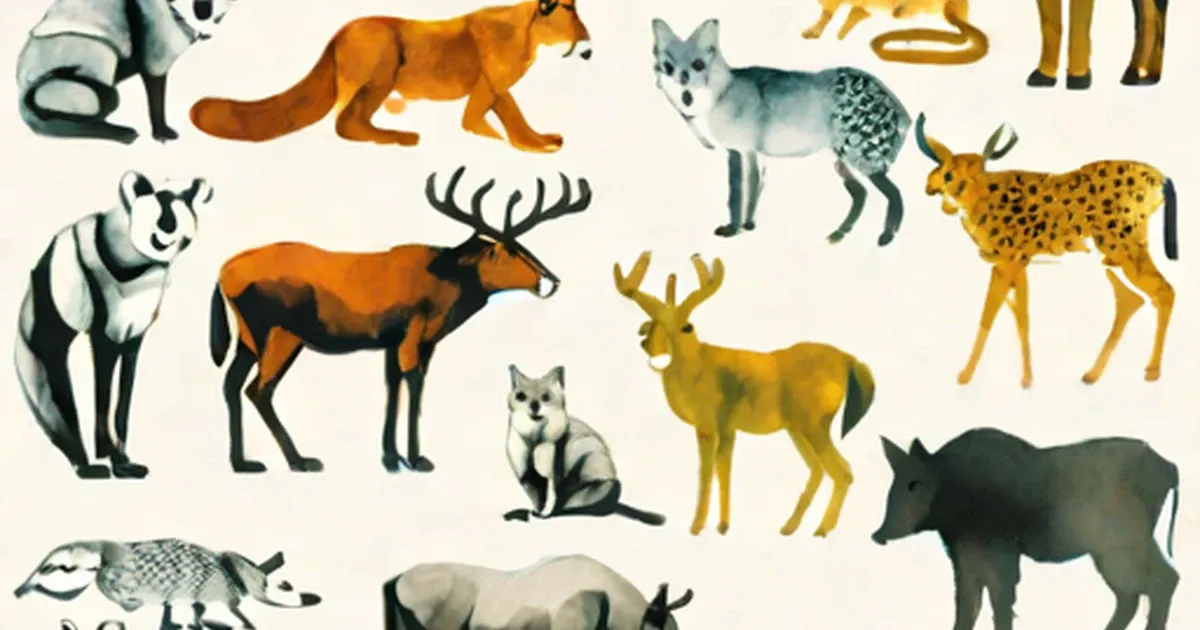
Nocturnal behavior in animals enables them to remain active at night and sleep in the daytime. This article on nocturnal animals list will help you understand insects, birds and animals that can hunt and survive in the dark.
Indeed mother nature has intrigued us in various ways. Similar to the presence of thorns in desert plants to adapt in less water or arid soil, there are some bird and animal species that are adapted to remain active in the darkness as well. Such animal behavior is known as nocturnality. And nocturnal animals are those belonging to this behavioral group. Likewise, plant varieties with the flowers open during night and closed at daytime are called nocturnal plants.
In contrast to diurnal animals that sleep at night, nocturnal animals rest during daytime and come out at night in search of food. And contrary to the common belief that all nocturnal animals can see well at night, many of them have poor eyesight. No doubt, some of the nocturnal animals like owls and lemurs do have special eyes, there are several others that rely on smell, touch, sound and other senses to survive in the darkness. This article highlights in brief, the interesting facts on nocturnal animals and nocturnal animals list. Read more on lemurs facts.
Quick Facts about Nocturnal Animals for Kids
- Owls with their peculiar night vision can hunt very small predators in complete darkness.
- Bats catch their prey with the help of echo sounding or echolocation. They generate sound waves, which, after hitting an object return back in the form of echoes. From these echoes, bats have the ability to determine the size, shape and distance of the prey.
- Minks, the nocturnal mammals, use their highly sensitive nose for communication between themselves, as well as to hunt their prey at night.
- In desert habitats, nocturnality enables the animals to conserve water in the body by avoiding the hot daytime heat. More on desert animals list.
- Rabbits have a well-developed hearing ability, which helps them locate low-pitched sounds in total darkness.
- Cats and dogs can see well in both daytime and night darkness. Thus, they are categorized under diurnal animals.
- Very few diurnal animals like seabirds prefer visiting their nesting sites at night in order to protect themselves from predators.
- While hunting for food in the dark, nocturnal animals camouflage well, thus increasing their chances to catch prey.
List of Nocturnal Animals
- Bat
- Aye aye (lemur)
- Owl (not hawk owls)
- Mouse
- Eastern woolly lemur
- Western woolly lemur
- Badger (or brocks)
- Gecko
- Mole salamander
- African hunting dog
- American porcupine
- Coyote (prairie wolf)
- Bush baby (galagos)
- Snowshoe hare
- Green sea turtle
- Cat
- Bat eared fox
- Cyprus spiny mouse
- Firefly
- Hamster
- Kakapo (or owl parrot)
- Binturong (Asian bearcat)
- Iranian jerboa
- Cockroach
- Red fox
- Kiwi
- Nine-banded armadillo (poor man’s pig)
- Beaver
- Numbat
- Red-eyed tree frog
- Margay (spotted cat)
- Bush rat
- Scorpion
- Catfish
- Skunk
- Gerbil (common name desert rats)
- Cricket
- Paradoxical frog
- Slow loris
- Mink
- Flying squirrel
- Wolf
- Woodcock
- Kangaroo
- Spectacled bear (Andean bear)
- Hermit crab
- Great grey slug
- Koala
- Hedgehog
- Oncilla (little spotted cat or tiger cat)
- May beetles
- Tapeti (forest rabbit or Brazilian rabbit)
- Wombat (Australian marsupial)
- Pangolin (scaly anteater)
- Kinkajou
- Perdido key beach mouse
- Tasmanian devil
- Tarantula
- Opossum (common name possum)
- Raccoon
- Honey badger (ratel)
- Python regius (royal python or ball python)
- Weddell seal
- Tarsier
- Rabbit rat
- Panamanian night monkey
- Octodon
- Hoffmann’s two-toed sloth
- Toad
- Snow leopards With the passing years, several nocturnal animals have already become extinct, mainly because of their declining habitat and human encroachment of land for developmental projects. To mention a few, the dire wolf and giant ground slot are extinct nocturnal animals. Also, certain nocturnal animal species, such as the kakapo, northern spotted owl, okapi, tarsier and kinkajou, are included in the endangered list. Read more on endangered animals
.
The major advantage of nocturnal animals is less competition for food at night and protection from their predators. We do not see these birds and animals very often. This is because, by the time we sleep, nocturnal animals roam around and hunt for prey. With this information on nocturnal animals list and facts, I hope you understood more about the nocturnality of animals, even though you seldom see them in the environment.