Found Dry Rot? Here’s How to Hire the Right Contractor
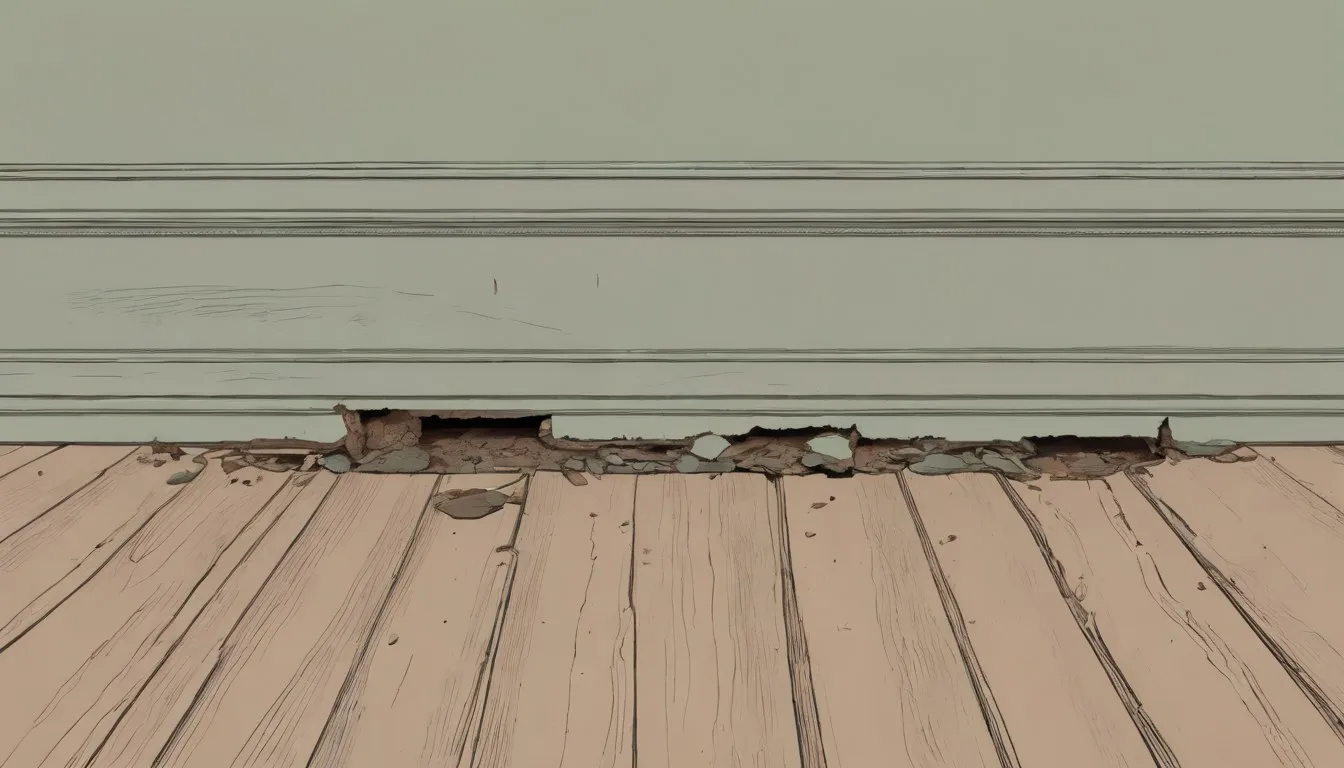
You’re running your thumb along the windowsill, or maybe it’s the base of the door frame, or that spot on the fascia board you noticed sagging last spring, and instead of solid paint over solid wood, your finger sinks in. It’s soft. Spongy in places, almost powdery in others, and when you press harder a little cube of wood just crumbles away in your hand. You already looked it up online and confirmed it’s probably dry rot. Now comes the actual decision: what you’re going to do about it.
And that decision splits two ways fast: grab a putty knife and a weekend, or start calling contractors. Neither answer is automatically right, and this is where a lot of people either get talked into a full room rebuild they didn’t need, or convince themselves a $40 kit will handle something that’s already eating into a load-bearing beam. Let’s sort out which one you’re actually dealing with, and if it’s the second kind, exactly how to hire someone you can trust to fix it.
Can you actually fix this one yourself?
Here’s the honest gut check. If the soft spot is small, contained, and sitting somewhere non-structural, a windowsill, a piece of exterior trim, a fascia board, a stair tread that isn’t bearing the whole staircase, you’re probably looking at a real weekend project. Dig out the damaged wood, treat the surrounding area, fill or splice in new timber, repaint. People do this themselves all the time and it holds up fine.
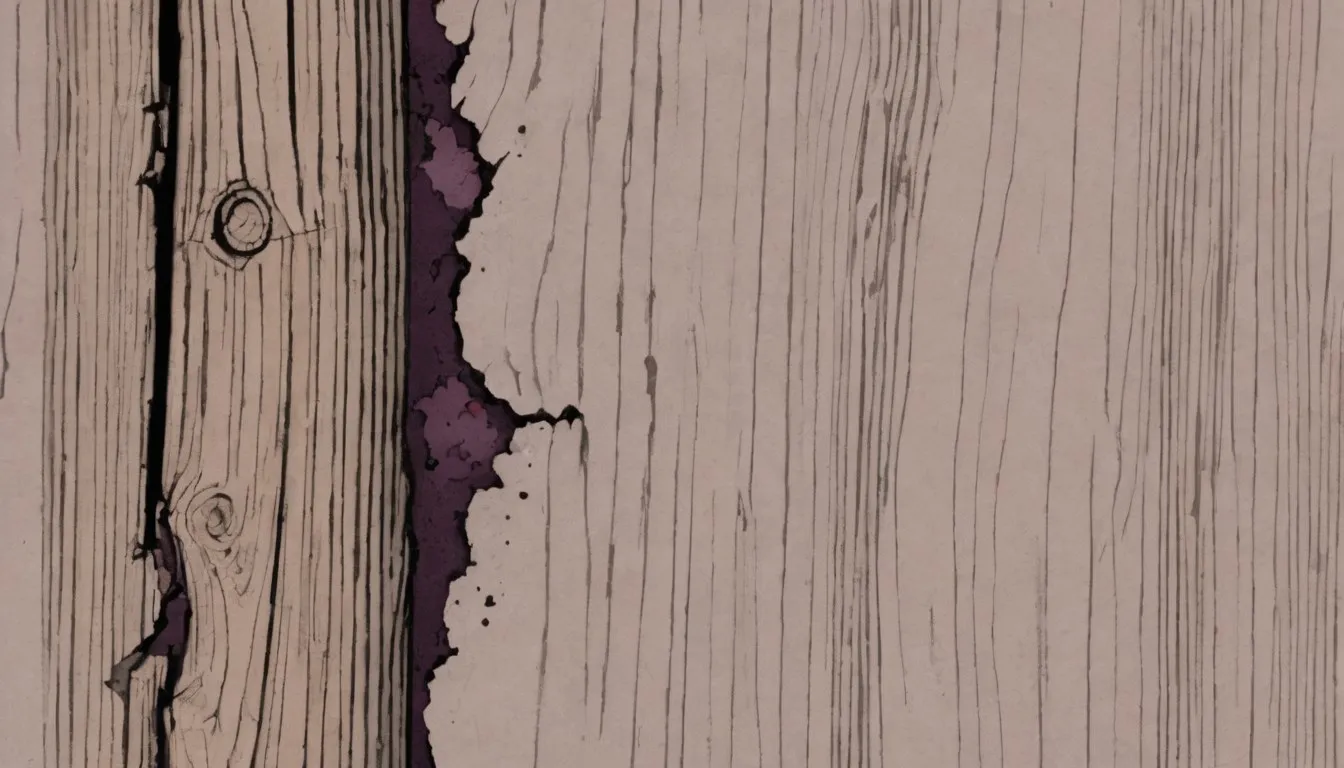
Where it stops being a Saturday job is anywhere near something that’s actually holding the house up: a floor joist, a roof truss, a structural beam, the timber framing around a load-bearing wall. It also stops being DIY territory the moment you spot the fungus itself spreading past the wood, grayish, cotton-wool-like strands, or rust-orange spore dust. That’s your cue the damage runs bigger than what you can see, and bigger than a filler kit can fix.
One thing worth knowing going in: repairing the wood is only half the job. The fungus responsible for most dry rot damage, Serpula lacrymans, has to actually be dealt with before or during any repair, or you’re just patching over a problem that keeps eating. That’s a separate step from the woodwork itself, and if you want the full rundown on how that treatment actually works, our guide to dry rot fungus treatment is worth reading on its own before you pick up a chisel. If you’re leaning DIY for a small, contained spot, it’s worth knowing that wood rot repair products aren’t interchangeable. Epoxies, hardeners, and fillers each do a different job. Grab the wrong one and a good weekend fix turns into a redo next year.
If you’re standing in your basement or attic looking at something bigger than a windowsill, or you’re just not sure which category you’re in, that uncertainty alone is a good enough reason to get a professional look before you touch anything.
What kind of pro actually handles dry rot?
Picking the right pro matters more than you’d think, and it’s easy to get wrong in both directions, the trades can all start to sound the same after two phone calls. Not every dry rot problem needs the same kind of expert, and calling the wrong one can mean paying for a full rebuild you didn’t actually need, or getting a patch job that quietly isn’t enough.
A general handyman or general contractor can genuinely handle the small, non-structural repairs, the same windowsill-and-trim work you might tackle yourself on a Saturday, just with more tools and a lot more free time than you’ve probably got right now. What they usually can’t offer is a real diagnosis of how far the fungus has spread behind the wall, or a warranty that means anything specific to timber decay.
A timber and damp specialist is the trade that actually exists for this. These are companies whose whole business is diagnosing fungal decay, tracing moisture sources, and treating and repairing rot, and they’re the ones equipped to give you a written damage assessment rather than a guess. If the damage looks contained to timber and finish work, this is usually your call.
A structural engineer gets involved when the rot has touched anything load-bearing, a main beam, joists, roof structure. A structural engineer assesses how much load-bearing timber is compromised and specifies exactly what needs replacing and how, before any contractor touches it. If a timber specialist tells you the damage reaches a structural member, get that engineer involved before any contractor touches it. Skip that step to save a fee, and the repair can look fine for a year or two before the same rot works its way back.
If all you want right now is a quick answer to who fixes dry rot in general, that’s really it: small stuff, a handyman can do; anything with real fungal spread or moisture behind it, a timber and damp specialist; anything structural, that specialist working alongside a structural engineer’s assessment.
What should a real quote include?
A dollar figure on a piece of paper with nothing behind it is a guess dressed up as a quote, and you deserve better than a guess. A real quote from a legitimate contractor should walk you through:
- The extent of the damage, ideally with photos or a written inspection report, not just a verbal “yeah, it’s bad.”
- The treatment method they’re proposing for the fungus itself, not just the timber replacement.
- Exactly which timber gets removed and replaced, and which gets treated and kept. Full replacement of everything is sometimes necessary, but it should be explained, not assumed.
- Labor and materials broken out separately, so you can actually compare one bid against another.
- The warranty or guarantee terms in writing, including what voids it.
- A timeline, especially if drying out the area is part of the process, since rushing a wet timber repair is how you end up doing this again in three years.
If a contractor hands you a single number with none of that behind it, just ask for the breakdown before you decide anything. It’s a completely fair, ordinary ask, and a contractor worth hiring won’t blink at it.
What questions should you ask before you sign anything?
This is the actual conversation to have, in person or on the phone, before you sign anything. Keep it short and specific, and don’t feel awkward asking every single one of these:
- Can I see proof of your license and liability insurance? A real contractor hands this over without hesitation. If you get vague answers about paperwork “being at the office,” that’s worth noting.
- How did you confirm this is dry rot and not something else? Wet rot, mold, and even some insect damage can look similar to an untrained eye, and the treatment for each is different. A specialist should be able to explain what they actually checked, moisture readings, the texture and smell of the decay, whether they saw the fungal strands themselves, not just eyeball it and move on.
- What’s the length of your workmanship guarantee, and what does it cover? In this trade, guarantees commonly run anywhere from about 10 to 30 years, but the range matters less than what voids it. Ask specifically.
- Will your own crew be doing the work, or is this subcontracted out? There’s nothing automatically wrong with subcontracting, but you want to know who’s actually accountable if something goes wrong, and whether that sub carries their own insurance.
- What happens if you open the wall and find more damage than expected? A good contractor has a straightforward answer here: a process for documenting it and getting your sign-off before costs change, not just “we’ll handle it.”
None of these are gotcha questions. A contractor who’s confident in their own work answers all five without getting defensive.
What are the red flags that mean “get a second opinion”?
A few patterns should make you pause, not necessarily walk away immediately, but definitely get someone else’s eyes on the job before you commit:
- Pressure to sign today. “This price is only good if we start this week” is a pressure tactic, plain and simple. Dry rot doesn’t spread fast enough that a few days for a second quote changes the outcome.
- No written inspection report. If they can’t point to what they actually found, moisture levels, which timbers are affected, how far it extends, you’re paying based on a verbal impression.
- Jumping straight to full re-timbering without explaining why partial repair and treatment isn’t an option. Sometimes a full rebuild really is necessary. A contractor recommending it should be able to point to the actual damage, photos, moisture readings, how far the fungus spread, as the reason, the same way they’d back up a smaller repair.
- Asking for full payment up front, in cash. A deposit is normal. Full payment before any work starts, especially with a preference for cash over anything traceable, is a pattern worth being wary of.
- Can’t or won’t answer the diagnosis question. If nobody can tell you how they ruled out wet rot or another issue, they may not have actually ruled it out.
None of these prove a contractor is dishonest. Plenty of decent, busy contractors are just bad at paperwork. But any one of these is a good reason to slow down and get a second set of eyes before the work starts, especially since dry rot repair isn’t something you want to redo.
How many quotes do you actually need?
Three. That’s the practical number, enough to see a real spread without turning this into a part-time job scheduling inspections.
When you get those three back, resist the urge to just pick the middle one and call it done. Look at what’s actually different between them, not just the total. If one bid is dramatically lower, ask why. Sometimes it’s a smaller crew with lower overhead genuinely passing on savings. Sometimes it means they’re planning to treat less area than they should, or skip the moisture source investigation entirely and just patch the wood. If one bid is dramatically higher, ask what’s included that the others aren’t, a longer guarantee, a structural engineer’s sign-off, a more thorough treatment method.
A cheap bid usually means a smaller crew, less area actually being treated, or the moisture source left uninvestigated. An expensive one might mean a longer guarantee or a structural engineer’s assessment already built into the price. Either way, the contractor should be able to explain, specifically, why their number is what it is. Getting three quotes matters because you get to see the same damage described three different ways, and that’s what tells you which explanation you actually trust.
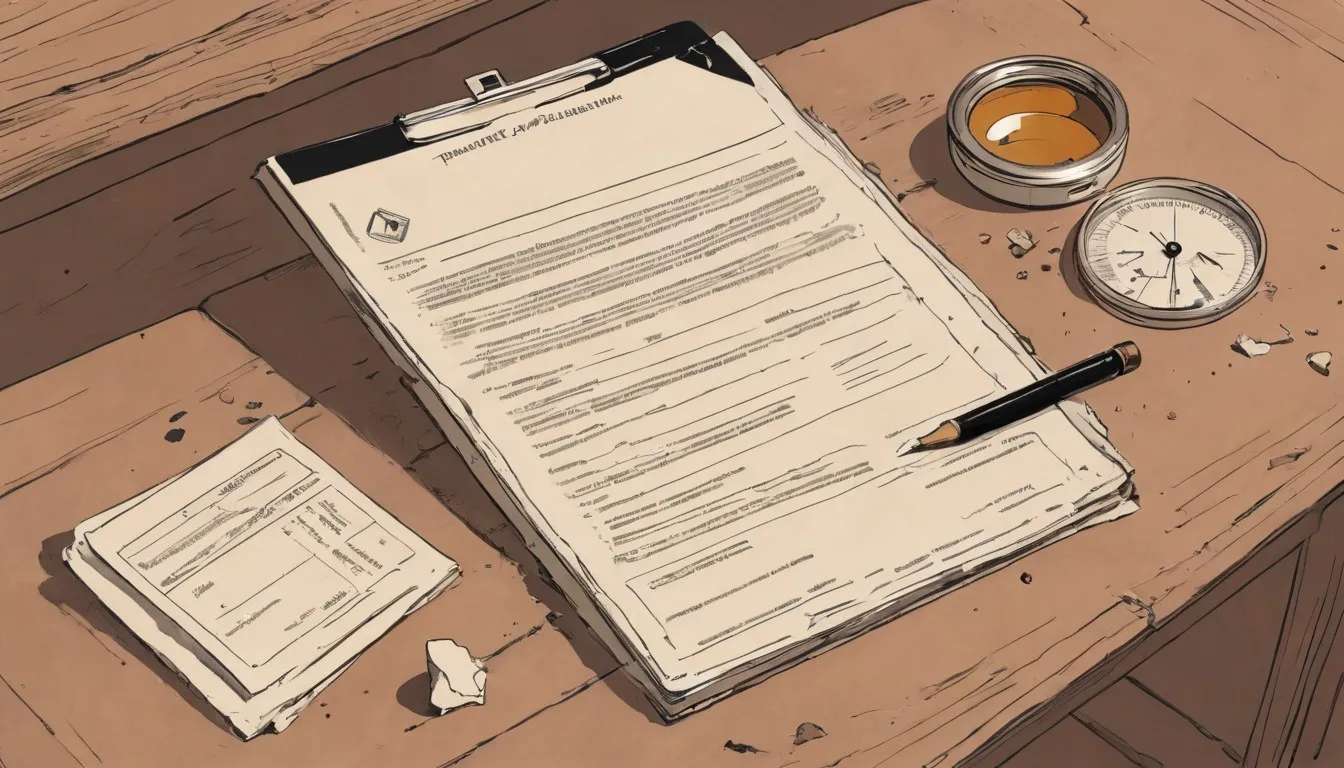
A simple trick that saves a lot of headache here: jot down each contractor’s price, guarantee length, and answers to your key questions side by side on one page as you go, rather than trying to hold three separate phone calls in your head a week later. A basic chart with a row for each contractor and a column for each question does the job. You don’t need anything fancier than that.
What does it cost to bring someone in, roughly?
Here’s a rough shape of it, not a promise: a single windowsill or trim repair from a general contractor often runs somewhere in the low hundreds to around $800, while a full structural remediation with a timber specialist and an engineer’s involvement can climb into the thousands, sometimes well into five figures for a bad basement or roof case. Anyone who quotes you a flat figure before seeing the damage is guessing, but that range at least tells you which neighborhood you’re in.
What drives the number more than anything else is how far the fungus has actually spread and whether it’s touched anything structural, followed by how accessible the damaged area is and what it takes to dry the space out properly before repair. If you want the fuller breakdown of what actually moves the price up or down, our guide to dry rot repair cost is worth reading through in detail before you start comparing quotes, so you have a sense of what a reasonable range looks like for your specific situation rather than just trusting whatever number lands first.
For now, the practical move is simpler than pricing it out yourself. If you only do one thing from everything here, make it this: get three written quotes with the damage and treatment method spelled out, and let those numbers, compared side by side, tell you what your actual job costs. That’s a better number than anything you’ll find in a general estimate, because it’s based on your wood, your moisture source, and your house.
Finding soft wood in your window frame is annoying, and it’s also fixable, whether that fix is you with a chisel this weekend or a specialist with a moisture meter and a written plan. Either way, you’re not stuck guessing. Start by booking three inspections this week and jotting their answers down side by side on one page. That’s the whole first step, and it’s an easy one.