Who Fixes Dry Rot? How to Call the Right Pro First
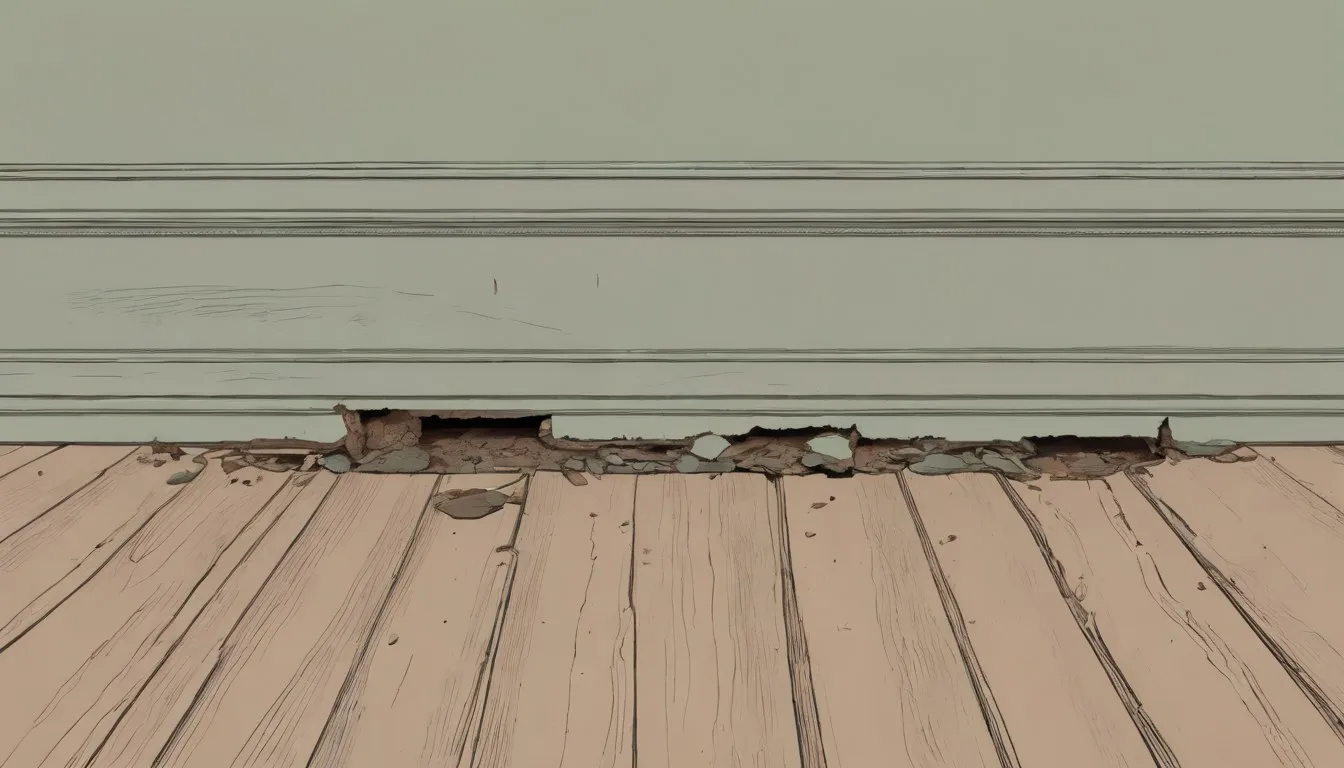
You press your thumb into the windowsill and it just gives, soft as stale cake, leaving a little dent where solid wood should be. Or maybe it’s a stair tread that feels spongy underfoot, or a patch of trim by the gutter that looks fine from three feet away and crumbles the second you touch it. Whatever the trigger, you’re now standing there with a phone in your hand and no idea what to type into the search bar. General contractor? Some kind of rot specialist? An exterminator, even?
The honest answer is that it depends on what you’re looking at and how far it’s gone. Dry rot can be a twenty-minute trim repair or a job that starts with a structural engineer, and calling the wrong person first usually means paying for two visits instead of one. Here’s how to sort the options, general contractor, timber specialist, structural engineer, pest control, roofer, by what each one actually does, so you can make one call instead of three.
Is a general handyman ever the right call?
Yes, for the small stuff. If the damage is limited to a single piece of trim, a windowsill cap, or a non-structural fascia board, and you can see with your own eyes that it doesn’t touch the framing behind it, a skilled handyperson or general contractor can usually cut out the bad section and replace it with new lumber, or fill it with an epoxy consolidant made for the job. That’s a real, reasonable fix for a small, contained problem.
Where it gets risky is that most general contractors aren’t trained to look past the wood. They’ll replace what’s rotted, charge you a fair price, and never ask why that windowsill got wet in the first place. If the moisture source is still active, the fungus that caused the rot can still be alive in the surrounding timber, and you’re looking at the same soft spot again in a year or two, sometimes in a new location a few feet away. A general contractor is the right call for something small and clearly contained. Anything bigger than a single board, or anything where you can’t see the full extent of the damage, deserves a second opinion before you let someone start cutting.
What does a dry rot or timber specialist actually do differently?
A dry rot specialist looks past the one rotted board you called about. Dry rot comes from a fungus called Serpula lacrymans, and it’s a sneaky one: it sends out root-like strands that can travel through brickwork and plaster, hunting for its next source of moisture and cellulose. Those strands can already be three feet away, quietly working on the next joist over, which is part of why cutting out the visibly damaged board doesn’t always end the problem. A specialist tests for that spread before deciding what actually needs to come out. If you want the full picture of how the fungus behaves and spreads, what dry rot is covers that in more depth.
What a remediation company brings that a general contractor typically doesn’t:
- Moisture meter readings taken across the surrounding structure, not just the damaged spot, to map how far the problem actually extends
- Tracing the moisture source itself, since dry rot doesn’t start without a leak, condensation point, or ventilation failure feeding it
- Fungicidal treatment applied to remaining timber and sometimes adjacent masonry, to kill strands that haven’t visibly rotted anything yet
- Removal and replacement of structurally compromised wood with treated lumber, usually with a written guarantee attached
That combination, diagnosis plus treatment plus repair, is what actually keeps the same soft spot from turning up again in a different corner of the wall six months later. A moisture survey and treatment plan for a contained problem often runs a few hundred dollars; add structural repair and it climbs into four figures fast, which is exactly why you want the diagnosis done right the first time instead of paying twice. If you’re already at the stage of comparing quotes, dry rot repair contractors walks through what a fair one should include and how to vet a company before you sign anything.
When do you need a structural engineer instead?
If the rot touches anything load-bearing, a beam, a joist, a post carrying weight from above, call a structural engineer before you call anyone else. That’s the person trained to figure out what’s still holding the house up before a crew starts cutting into it, and that read has to happen before any repair begins. The engineer comes out, decides what’s safe to remove right now and what needs a temporary support jack under it first, then writes the plan down on paper. Your repair crew works from that plan, not from a guess. Skip that step and you’re trusting a contractor to eyeball load-bearing wood, and that’s exactly the kind of shortcut that turns a manageable repair into a sagging floor and a much bigger bill.
Signs you’re in this territory:
- A floor that feels soft, bouncy, or noticeably lower in one spot when you walk across it
- Visible sagging in a ceiling, floor, or roofline near the damaged area
- New cracks in drywall or masonry close to where the rot was found
- A beam or joist end that’s crumbling right at the point where it rests on a wall or foundation
Those calls belong to a structural engineer, no matter how experienced the general contractor doing the rest of the job might be. Get the engineer’s sign-off first. Everything after that, remediation and rebuild, follows their spec.
Does pest control or a roofer ever fit into this?
Pest control is the wrong call for the rot itself. Dry rot is a fungus, not an insect problem, so spraying for pests won’t touch it. The confusion is understandable, since wood-boring insects and dry rot can produce damage that looks similar to an untrained eye, and if you’re genuinely unsure which one you’re dealing with, dry rot vs termites lays out how to tell them apart before you call anyone.
A roofer, on the other hand, often belongs on this job, just not for the rot. Dry rot needs a sustained moisture source to take hold, and in a huge share of cases that source is a leaking roof, failed flashing, a clogged gutter dumping water where it shouldn’t, or a vent that’s letting damp air sit against framing. You can have the best timber specialist in your area treat every trace of fungus and replace every rotted joist, and if the roof is still leaking behind the wall, the problem comes back. Sealing the moisture source usually has to happen alongside, or right before, the rot repair itself. A good remediation company will often tell you plainly if that’s what’s going on and point you toward getting the leak fixed first.
Will homeowners insurance cover any of this?
Usually not, and it’s worth knowing that before you’re on the phone with your insurer hoping for good news. Dry rot almost always gets filed under gradual damage or lack of maintenance, the kind of slow-building problem most policies are written to exclude. If a burst pipe caused the leak that fed the rot, the water damage from that one sudden event might be covered, but the rot itself, the part that built up quietly over the eighteen months nobody noticed the drip, usually isn’t. It’s still worth a quick call to your agent to ask, since policies vary and some riders do cover it. But budget for the possibility that this one’s on you, and get a couple of quotes so you’re not guessing at what “on you” actually costs.
How do you find someone reputable near you?
Start with a more specific search than “contractor near me.” Try “timber and dry rot specialist” or “dry rot remediation” for your area, since that pulls up companies that actually do this work as a specialty rather than as one line item on a broader remodeling site. From there:
- Ask for licensing and insurance verification before anyone sets foot in your house, and confirm it covers the specific type of work, structural repair is a different license in a lot of places than general remodeling
- Ask whether the quote includes a written moisture survey, not just a repair estimate. If they haven’t measured moisture levels, they’re guessing at the extent of the problem
- Ask what guarantee comes with the work, and get it in writing. A company confident in its fix usually stands behind it for years, not months
- Get at least two quotes if the damage is anything beyond a small trim repair. Scope estimates on hidden damage vary a lot from one contractor to the next, and getting two numbers is how you catch that swing
As a quick mental flowchart: small, cosmetic, and clearly contained goes to a general contractor. Anything with an unclear extent or a musty smell in the wall goes to a specialist for a moisture survey first. Anything involving a beam, joist, or sagging floor starts with a structural engineer. A leak feeding the problem needs a roofer in the mix, either before or alongside the repair. And if it turns out to be pests instead of fungus, that’s the one time pest control is actually the right door to knock on. For a deeper walk through vetting quotes and knowing what a fair price looks like, dry rot repair contractors is the fuller resource once you’ve narrowed down which type of pro you need.
What if you’re not sure it’s even dry rot?
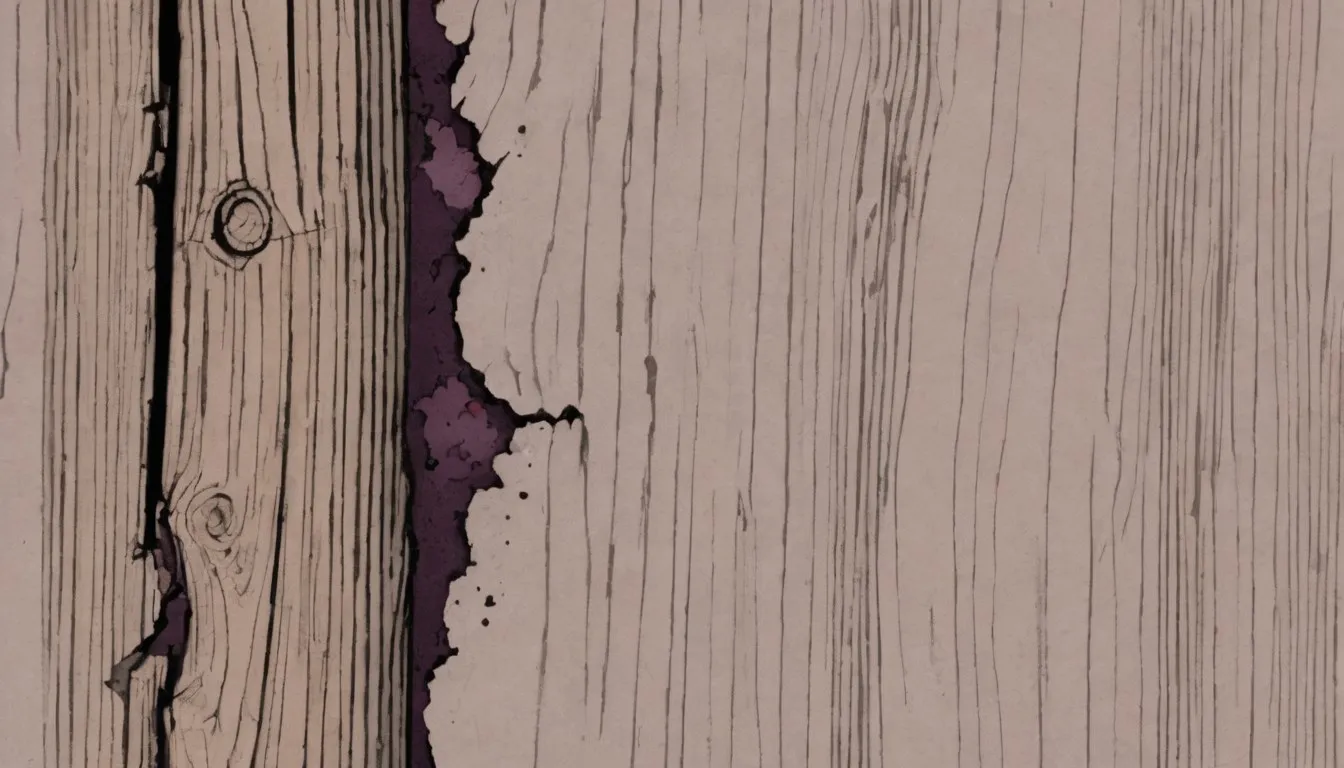
Worth a gut check before you book anyone. Dry rot tends to leave wood dry, light, and cracked into small cube-like chunks, sometimes with a faint mushroomy or damp-cellar smell, and you might spot rust-colored spore dust or cottony white growth nearby. Wet rot, by contrast, usually feels damp and soft to the touch and doesn’t crack into that same cubed pattern. If you’re staring at a soft patch and genuinely can’t tell which one you’ve got, dry rot vs wet rot walks through the differences side by side, and what is dry rot covers what the fungus looks like at each stage. Getting that right first saves you from booking a specialist for something a lot simpler, or the other way around.
Either way, don’t sit on it once you’ve found it. A little digging now to find the right professional is a lot cheaper than a wrong call, a wasted estimate, and a soft spot that’s had another six months to spread.