Dry Rot or Termites? The Five-Minute Way to Tell the Difference
You’re leaning against a windowsill, minding your own business, and your elbow finds a soft spot. You press a screwdriver into it out of curiosity more than concern, and the tip disappears an inch into the wood with no resistance at all. That’s usually the moment the calm leaves the room. Your brain jumps straight to the worst headline you’ve ever half read: termites, tenting, a bill with four zeros on it.
Except the soft, crumbly wood under your windowsill is just as likely to be dry rot, a fungus quietly eating the timber from a completely different direction, with a completely different fix and a completely different price tag attached to it. Before you call anyone, it’s worth five minutes with a flashlight to figure out which problem you’re actually looking at.
How can you tell dry rot from termite damage?
Look at three things before you touch the phone: the pattern the wood cracks in, whether the area smells musty or mushroomy, and whether you can find mud tubes, discarded wings, or pepper-like droppings nearby. Dry rot cracks the wood into small, cube-shaped chunks and usually smells damp and earthy. Termites hollow the wood out along the grain from the inside, tend to leave no smell at all, and almost always come with some physical evidence of the insects themselves somewhere close by. Get those three checks done in the next five minutes and you’ll know which kind of specialist to call before you’ve even hung up.
What does the wood actually look like in each case?
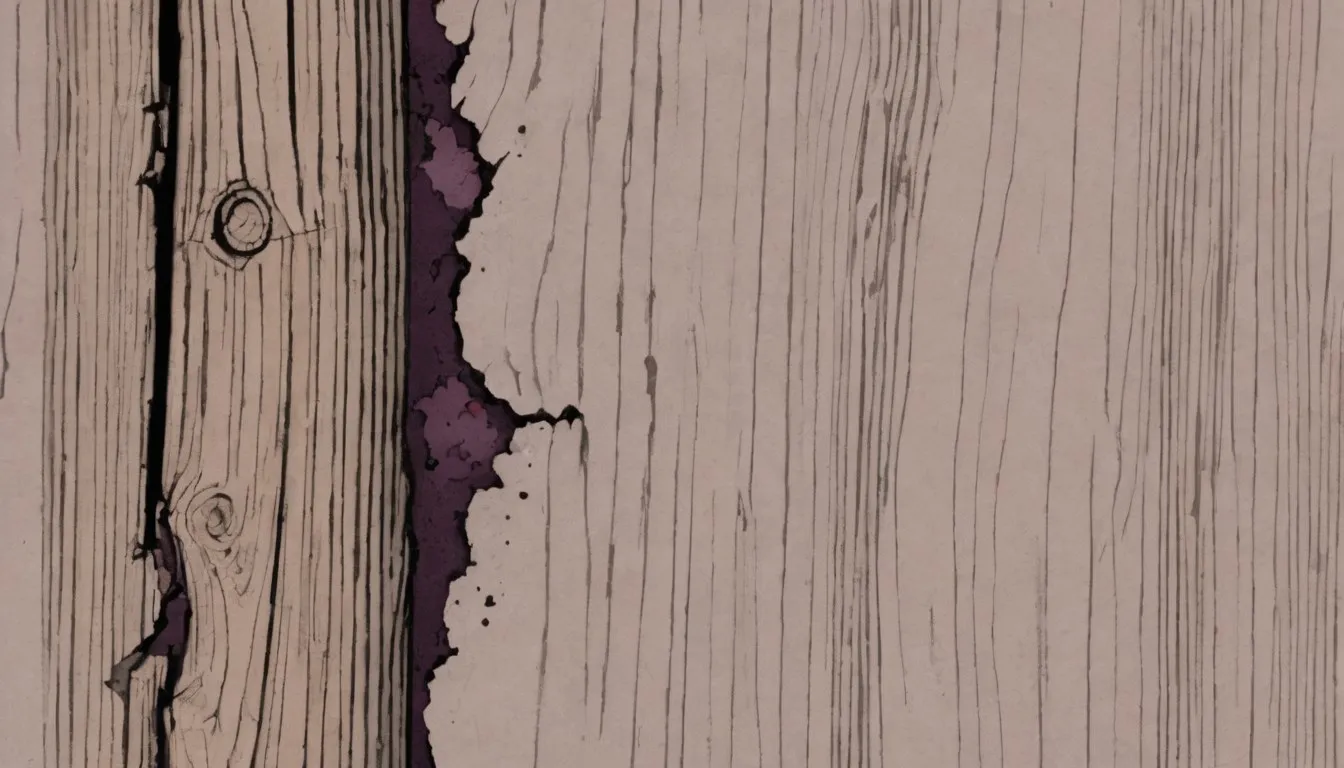
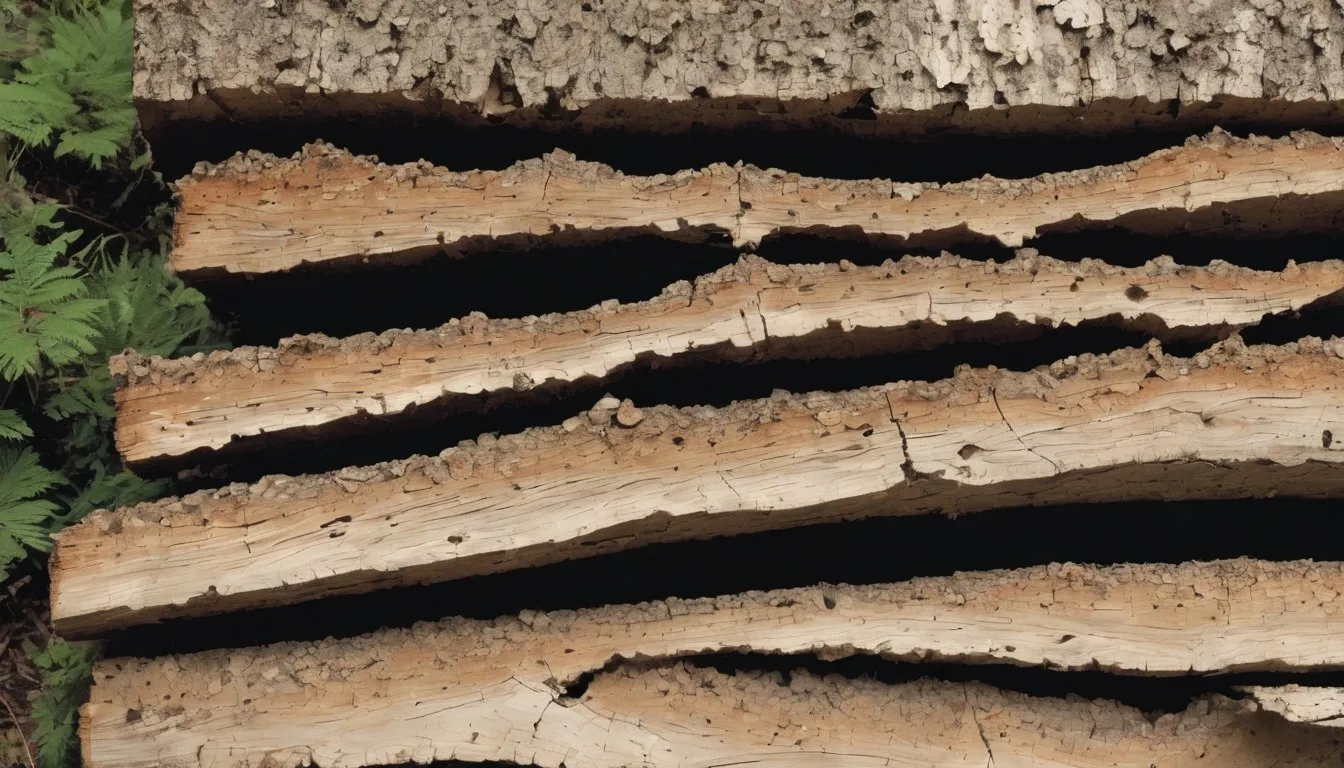
Pull back any loose paint or crumbly surface material and look at the break pattern first. Dry rot, caused by a fungus called Serpula lacrymans, breaks wood down into small, roughly square chunks with deep cracks running both with and across the grain. It’s called cubical or cross-grain cracking, and it’s about the most reliable visual tell you’ll get without sending a sample to a lab. The surface often has a grey-brown, crusty look to it, and when you press on it, the wood crumbles into a fine, dry powder instead of coming apart in strips or splinters.
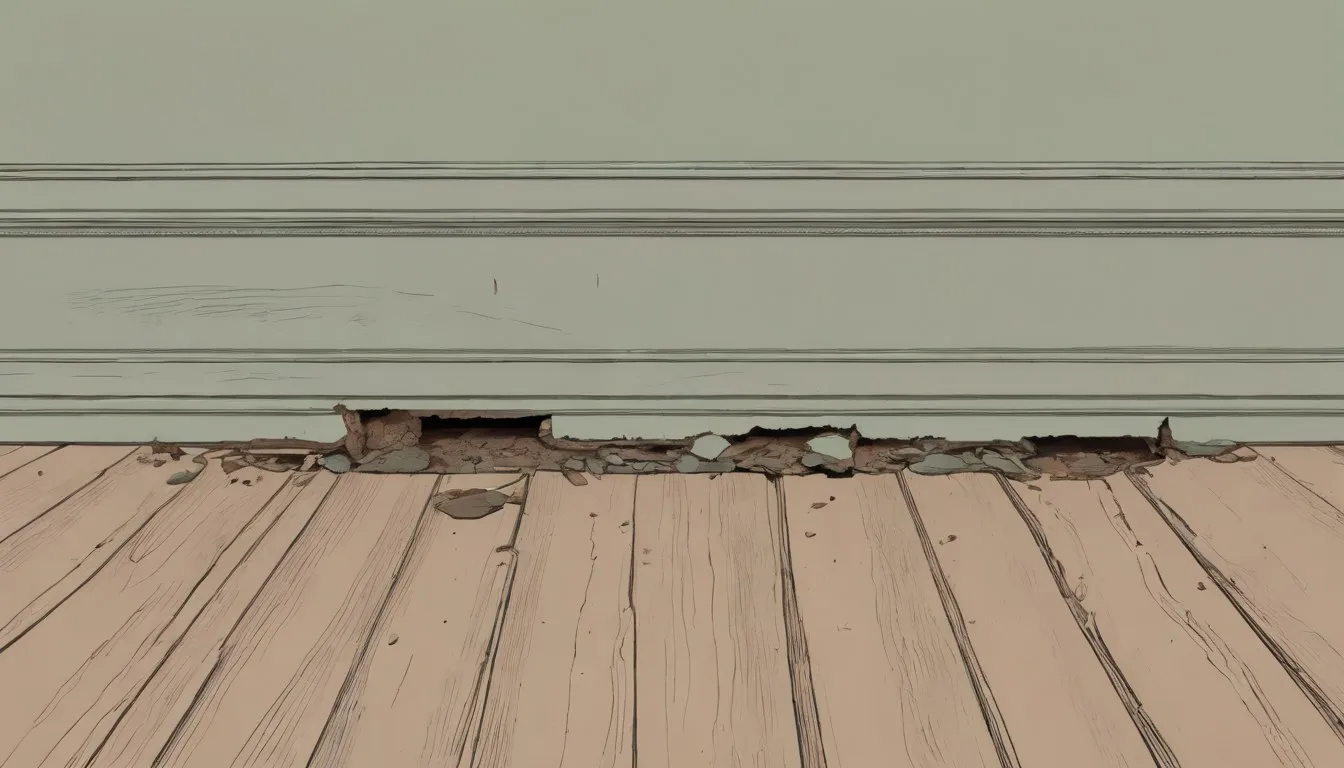
Termite damage looks different up close. Subterranean termites eat along the grain, hollowing out tunnels and galleries inside the wood while leaving a thin, mostly intact surface layer over the top. That’s why termite damage so often gets discovered by accident: the wood looks fine right up until someone leans on it, or a paintbrush goes straight through what should have been a solid piece of trim. Inside, you’ll usually see smooth-sided tunnels rather than a cracked, cubed pattern, sometimes lined with a thin coat of mud or soil the termites carried in with them as they worked.
Is there a smell test?
There is, and it’s more useful than most people expect. Active dry rot usually smells musty, damp, and faintly of mushrooms, which tracks, since a fungus is doing the damage. In a bad case, you can smell it before you see it: a closed-up cupboard, a chimney breast, or a crawl space with that basement smell that doesn’t lift even after you’ve aired the room out for a week. Termite damage, on the other hand, usually has no smell at all. If a spot looks chewed up and hollow but you can’t smell anything in particular when you get close to it, that leans toward termites rather than rot.
Are there other physical clues besides the wood itself?
Yes, and these are often the fastest way to confirm what you’re actually dealing with, faster than the wood itself in some cases.
For termites, look for:
- Mud tubes: pencil-width tunnels of dirt running up a foundation wall, pier, or crawl space post, built so the termites can travel between soil and wood without drying out
- Frass: tiny, pellet-shaped droppings that look a bit like coffee grounds or fine sawdust, often piled in a small mound near a pinhole in the wood
- Discarded wings: thin, matched pairs scattered on a windowsill or caught in a spiderweb, left behind after a swarm of winged termites, sometimes called swarmers, tried and failed to start a new colony nearby
For dry rot, look for:
- Mycelium: fine, cotton-wool-like strands of fungal growth spreading across the timber or even out across nearby masonry and brick
- A rust-colored dust settled on windowsills, floors, or shelving close to the damage, which is spore dust the fungus sheds once it starts to fruit
- A flat, pancake-shaped fruiting body on badly affected timber, somewhere between a dinner plate and an overgrown mushroom in appearance
If you’re only going to remember one clue from each list, make it mud tubes for termites and that cotton-wool mycelium for dry rot. Both are close to impossible to explain any other way, so finding either one is close to a confirmed diagnosis on its own.
Where does each one usually show up first?
Dry rot needs damp, still air to get going, so it tends to show up in spots that stay wet and don’t get much airflow: timber behind a leaking chimney flashing, joists under a bathroom with a slow drain leak, or a windowsill that’s been letting water creep in around the frame for a year or two without anyone noticing. It can travel, too, sending those mycelium strands out across brick and masonry to reach fresh timber several feet away, which is part of what makes an established infestation so unnerving once you finally spot it.
Termites tend to start lower down and closer to soil, since subterranean termites live in the ground and travel up into a structure from there. Sills, foundation-adjacent framing, porch posts, and any wood that touches or sits close to soil are the usual entry points. If the damaged wood is near ground level and there’s a mud tube running down to the dirt beside it, that’s about as clear a termite signature as you’re going to find.
Can a house have both at the same time?
It can, and it’s not even particularly rare. A chronically damp spot, the kind that produces dry rot in the first place, is also an inviting spot for termites, since both problems favor wood that’s gone soft and stayed wet. If you find one, it’s worth checking a few feet beyond it in both directions, rather than assuming the entire problem is contained to the one soft spot you happened to lean on. Check the adjoining framing, the sill plate on either side, and anything else touching that same damp area before you decide you’ve found the full extent of it.
What’s a simple way to check right now?
Grab a flathead screwdriver, an awl, or even a sturdy key, and probe the wood in a few different spots around the damaged area, not just dead center of the soft spot you already found.
- If the tip sinks in easily and the wood breaks away into small, dry, cube-shaped chunks, that points to dry rot.
- If you break through a thin outer layer into a hollow, tunneled interior with smooth-sided galleries, that points to termites.
- If the wood is spongy, dark, and stringy rather than crumbly or hollow, you might be looking at wet rot instead of dry rot, a related but genuinely different problem (dry rot vs wet rot gets its own closer look, since the two get mixed up constantly).
A moisture meter is worth the twenty dollars if you’re checking more than one spot in the house. Readings consistently above 20 percent mean conditions are right for fungal decay, even in areas where you haven’t found visible damage yet, which is useful to know regardless of which pest turns out to be the culprit here.
Once you’ve done the look, smell, and probe check, you’ve got enough to know who to call. If you’re curious about what dry rot is beyond this comparison, that gets its own fuller answer elsewhere; the job here is narrower, just telling it apart from a termite problem fast enough to call the right person the first time.
Do you call the same person for either problem?
No, and this is the part that actually saves you money. Termites are a pest problem, so you want a licensed pest control operator, someone equipped to treat the colony itself and not just the one damaged board you found. Dry rot is a fungus problem, not an infestation, so you want a rot or timber specialist, someone who understands moisture sources and how to stop a fungus from spreading rather than someone set up to bait or fumigate insects.
Call a termite company about a dry rot problem and they’ll likely tell you it’s outside their scope. Call a rot specialist about an active termite colony and you could lose months while the insects keep eating undisturbed. Getting the identification right before you dial saves you an inspection fee at minimum, and possibly weeks of the wrong kind of treatment being applied to the wrong kind of problem. Once you know it’s dry rot specifically, who fixes dry rot and how to vet them properly is its own question, one worth answering before you sign anything based on the first quote that comes in.
One thing to do tonight
You don’t need to solve this tonight. You need to know which kind of problem you’re looking at, and that’s a five-minute job with a flashlight and a screwdriver you already own. Go check the spot that’s been bothering you: look at the crack pattern, take one good sniff, and probe it in two or three places instead of just the one soft spot you already found. Whatever you find, you’ll be calling the right person on the first try instead of the second, and that alone is worth the five minutes it takes.