What Is Dry Rot? The Fungus Behind That Orange Dust
So what is dry rot, really?
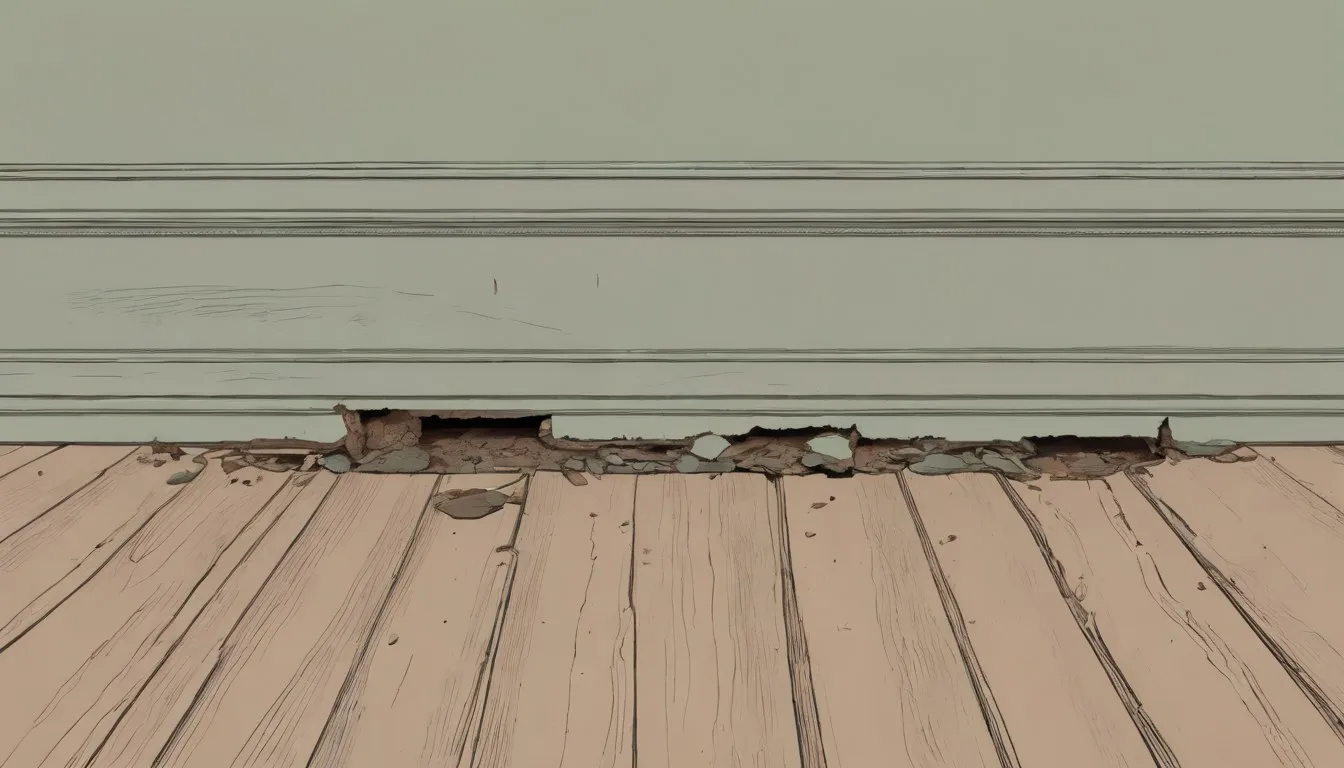
You’re crouched down by the skirting board, and there’s a fine, rust-colored dust on the floor that wasn’t there last month. You press a thumb into the wood behind it and it gives way like a stale biscuit, crumbling into dry little cubes instead of splintering the way wood is supposed to. No water anywhere in sight. No obvious leak. Just crumbly wood and orange dust, in a spot that’s been perfectly dry for as long as you’ve lived there.
That’s dry rot: one specific fungus called Serpula lacrymans, and it spreads in a way that catches most people off guard. It sends thread-like strands through brick and masonry, hunting out fresh timber to feed on, sometimes rooms away from where the damp started. Naming it specifically matters when you call someone about it: a specialist who knows this fungus will check the whole structure for satellite growth, while a handyman patching the one visible board can leave it free to resurface in another room within a year.
Here’s what’s actually happening to the wood. This particular fungus eats away the wood’s soft inner fibers and leaves the stiffer, woody backbone behind, the same trick every brown rot pulls. That’s why the wood ends up dry, light, and crumbly rather than soft and spongy, and why it splits into those neat little cubes instead of just sagging.
It needs the wood’s moisture content at 20 percent or higher to get started, and getting there usually takes months of quiet, still, damp conditions, the kind of slow buildup none of us think to check for until something crumbles. By the time you notice the cracking, the timber has usually dried out completely, and it looks nothing like the damp problem that let the fungus take hold in the first place. That gap between cause and symptom is a big part of why dry rot catches people off guard.
What does dry rot actually look like?
Dry rot moves through four recognizable stages, cotton-wool growth, a silvery skin, cuboidal cracking, then rust-orange spore dust, and each one looks different depending on how long it’s been active and how much moisture it’s had to work with.
- Cotton-wool-like growth: Early on, you may see something that looks like fluffy white cotton wool spreading across timber or masonry. This is the mycelium, the fungus’s feeding structure, and it’s often the first visible sign something is wrong.
- A silvery-grey skin: As the mycelium matures, it can flatten into a silvery-grey, sometimes tinged with lilac or yellow, skin-like sheet across the surface of the wood.
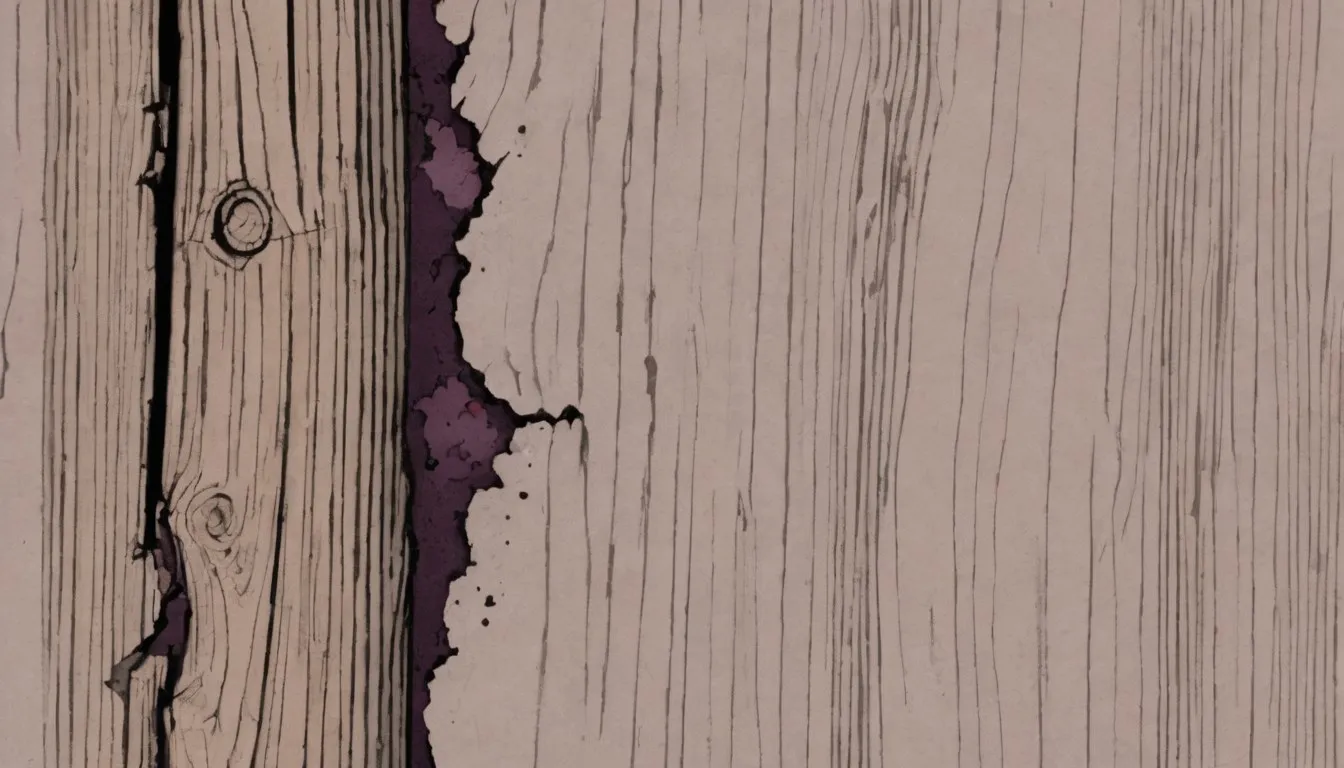
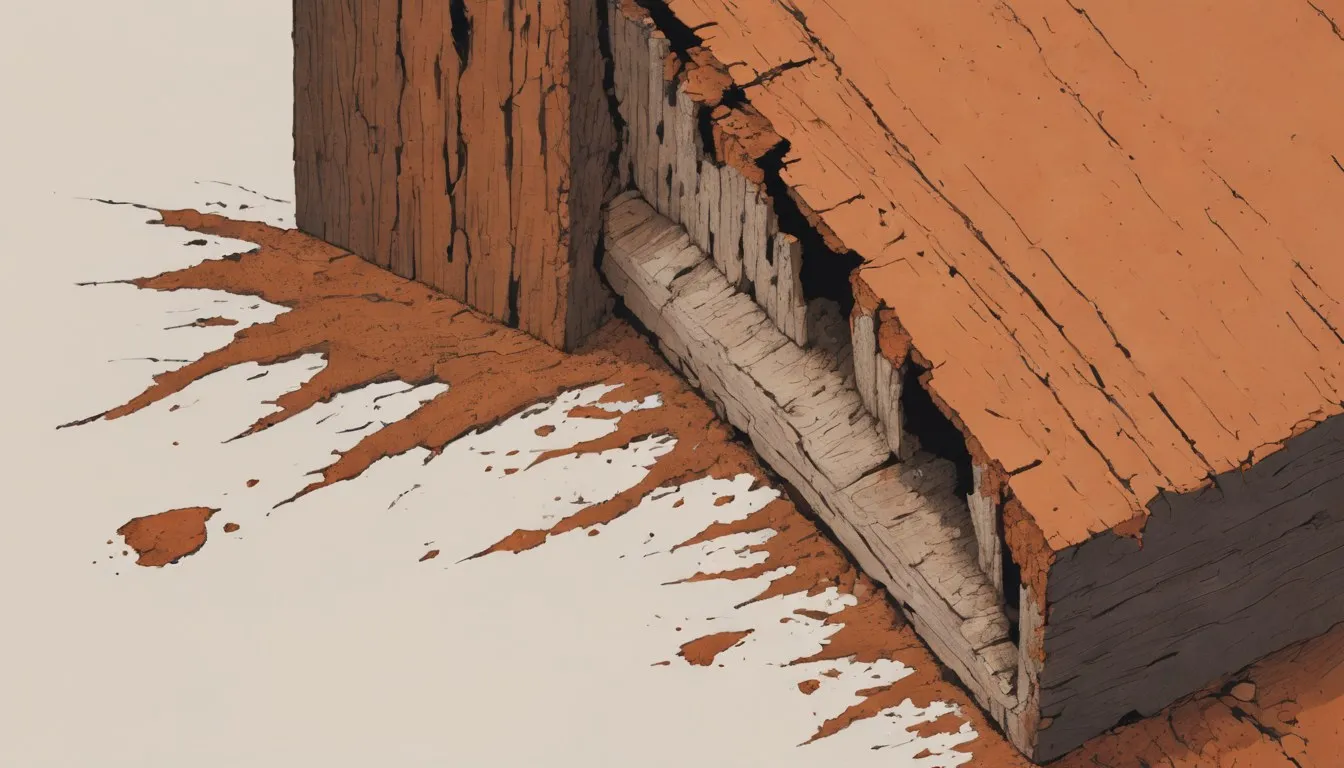
- Deep cuboidal cracking: This is the classic tell. Affected timber splits into small, roughly cube-shaped sections, deep cracks running both with and across the grain, and the wood shrinks and loses strength as it dries out from the inside.
- Rust-orange spore dust: Once the fungus fruits, it produces a fine, rust-red or orange dust made up of spores. It settles on surfaces nearby the way dust settles anywhere, but this particular dust means the growth has matured enough to reproduce, which usually doesn’t happen until it’s been established for months.
If you’re only seeing one of these signs, that’s still worth paying attention to. The cotton-wool mycelium in particular tends to show up well before the wood itself looks obviously damaged, which is exactly why it’s worth learning to recognize on its own.
Does dry rot have a smell?
Yes, and often you’ll smell it before you see anything. Active dry rot gives off a damp, musty, mushroom-like odor, the kind of smell you’d associate with a forest floor after rain rather than anything you’d expect indoors. It tends to be strongest in enclosed, poorly ventilated spaces: under suspended floors, behind paneling, inside cupboards built against an outside wall.
If a room has started smelling faintly of mushrooms or wet cardboard and you can’t trace it to anything obvious, that smell is worth taking seriously rather than explaining away. Fungal decay produces that odor as a normal part of its life cycle, and by the time it’s noticeable, the fungus has usually been established for a while. It’s one of the more reliable early warning signs precisely because it shows up before any visible crumbling does.
What causes dry rot to take hold in a house?
Timber doesn’t rot on a whim. Serpula lacrymans needs the wood’s moisture content to sit at roughly 20 percent or higher before it can establish itself, and it needs still, poorly ventilated air to keep that moisture from evaporating away. Put those two things together for long enough and you’ve built exactly what the fungus needs.
In practice, that combination usually traces back to one of a handful of ordinary problems:
- A slow leak from a pipe, roof, or gutter that’s been dripping into the same spot for months, maybe longer, before anyone spots it
- A blocked or missing airbrick or vent, which stops air from moving under a suspended floor the way it’s supposed to
- Rising damp, where moisture works its way up through masonry and into timber that’s in contact with it
- Condensation building up in an enclosed space with no ventilation, especially somewhere like a cellar or an unheated back room
None of these are exotic. That’s the uncomfortable part. A gutter that’s been dripping onto the same joist over one wet winter, or an airbrick that got painted shut during a repaint five years ago, is usually all the time Serpula lacrymans needs to push the timber’s moisture content past that 20 percent mark and keep it there. A few months of still, damp air in one spot nobody checks, behind a painted-shut airbrick, under a slow gutter drip, is genuinely all it takes.
Is dry rot a type of mold?
No, and this trips people up constantly because both show up in damp, hidden corners of a house and both look alarming. Mold is a surface growth that feeds on organic material sitting on top of a surface, walls, tile grout, the inside of a window frame. Dry rot is a wood-decay fungus that actually digests the structural material of the timber itself, weakening it from the inside out.
Mold on a bathroom ceiling is unpleasant, and cleaning it up usually costs a bottle of spray and an afternoon of scrubbing. Dry rot works on a different scale: left in a joist for a year or two, it can mean cutting out and replacing structural timber, a job for a carpenter or a structural specialist. If you want the fuller side-by-side, the dry rot vs mold breakdown goes through the visual and practical differences in more detail.
Where in a home does it usually start?
Dry rot has a habit of turning up in places nobody checks regularly, which is exactly why it can be established for a long time before anyone notices.
- Crawl spaces and suspended floors: Poor ventilation under a ground floor is one of the most common starting points, especially in older homes where airbricks have been painted over, blocked by soil buildup outside, or removed entirely during a renovation.
- Behind plaster and paneling: A leak inside a wall cavity can sit against timber for months without ever showing as a damp patch on the visible surface.
- Under bay windows: Bay windows sit on their own small structure of floor joists, often with limited ventilation, and failed seals around the window frame let water in gradually over years.
- Around old plumbing: A slow drip from an aging pipe joint, especially one boxed in or hidden under a bath, can go unnoticed for a surprisingly long time.
This is part of why dry rot shows up so often in period homes with solid masonry walls. Solid brick or stone construction holds and moves moisture differently than modern cavity walls, and older plumbing and ventilation weren’t built with today’s standards in mind. If your house was built before the 1930s, it’s worth pulling back any exterior planting or decking near the foundation once a year just to confirm the airbricks are still clear, since a blocked airbrick is the single most common blind spot in that kind of construction.
How is dry rot different from wet rot?
Both are fungal decay, both need moisture, and both can genuinely damage timber, but they behave differently once they get going. Wet rot needs consistently wet timber to keep spreading and tends to stay fairly localized to the source of the moisture. Once you remove the water, wet rot generally stops in its tracks. Dry rot is more ambitious. It can send out root-like strands that carry their own moisture, which lets it travel through masonry and dry materials in search of new timber to feed on, spreading well beyond the original damp patch.
That difference matters because it changes how much of the house you need to check once you find either one. If you’re trying to work out which one you’re actually looking at, the dry rot vs wet rot comparison goes through the identifying details side by side.
Why does dry rot have such a bad reputation?
Its mycelium can grow through brickwork, behind skirting, under floors, into completely different rooms, all while carrying enough of its own moisture to keep going even where the surrounding material is dry. That’s the whole reason for the name: it can spread through conditions that would stop most other fungi cold.
This is also why professionals treat dry rot with more caution than routine timber decay. Dry rot causes structural damage to joists and floorboards over time, and the cost climbs with the spread. Strands of mycelium can travel several feet through masonry from the original outbreak, so a repair that would have cost a few hundred pounds if it had been caught in one board can turn into a job costing several thousand once it’s reached joists in two or three separate rooms.
What should you do the moment you suspect it?
Take a breath first. Finding orange dust on a windowsill is not a five-alarm emergency, and you don’t need to make any big decisions tonight.
Here’s the realistic, one-step-at-a-time version:
- Document what you’re seeing. A few phone photos of the dust, the cracking, and the general area, taken now, are genuinely useful later, whether that’s for your own reference or for whoever inspects it.
- Give the moisture source a five-minute check. Look under sinks and around window frames for staining, check that airbricks and vents aren’t blocked or painted over, and if you can get into a crawl space or cellar, look for standing water or damp soil. You don’t need to fix anything today, just note what you find.
- Leave the fungus itself alone. Don’t scrub it, don’t spray something on it, don’t pull up the boards yourself. Disturbing active mycelium can spread spores around before you’ve even confirmed what you’re dealing with.
- Book a proper inspection before you spend money on anything else. A specialist timber and damp survey typically runs somewhere in the range of £150 to £300 and takes about an hour or two on site. That one visit is what tells you whether you’re looking at a single board or several joists, and whether the fix is a £250 patch or a job that runs into the thousands, and there’s no way to know which until someone’s actually opened up a wall or lifted a floorboard.
If you want the full walkthrough from here, the complete guide to dry rot repair covers what actually happens after identification: getting the moisture stopped, dealing with the fungus itself, and putting the timber back together. But the part that matters tonight is smaller than that. You’ve spotted something, you’ve got a rough idea of what it is and isn’t, and that’s the actual first step. Everything else can wait until tomorrow.
This is general wellness information, not medical advice. If breathing around dust or spores while you’re in the affected room is a concern for you, talk to a healthcare professional about your specific situation.