Dry Rot vs Mold: How to Tell Them Apart in Five Minutes
Okay, so what is this?
You finally got down on your hands and knees to look at that dark patch under the basement window, the one you’ve been walking past for a month telling yourself you’d deal with it eventually. Up close it’s fuzzy, a little grim, and you can’t tell if it’s something you wipe off with a rag or something that means a contractor is about to become part of your life.
Most of the time, dark and fuzzy near a leak or a damp windowsill means one of two things: mold, or dry rot. They show up in the same spots for the same reason (persistent moisture), and from three feet away they can look similar enough to make you nervous. But they cost very different amounts to fix and call for very different responses, and you can tell them apart in about five minutes with your nose and a flathead screwdriver you probably already own.
Does it smell different?
Close your eyes and lean in (carefully). Mold smells like moisture, basically: a generic damp, musty, gym-bag-left-in-the-trunk smell that’s really the smell of trapped humidity plus whatever surface it’s growing on.
Dry rot has its own signature, and once you’ve smelled it once you’ll recognize it again. It’s earthier and more mushroom-like, closer to a damp cellar or wet cardboard left out in the woods, and it comes from the fungus itself, mostly a species called Serpula lacrymans, rather than from the moisture around it. That’s the tell: dry rot can smell fungal even in a spot that feels dry to the touch right now, because the fungus is actively growing inside the wood, drawing moisture from deep in the material rather than sitting in standing water on top of it.
If you’re not sure what you’re smelling, that’s fine, treat this as a first clue and move on to the visual and touch tests below to build a fuller picture.
What does each one look like?
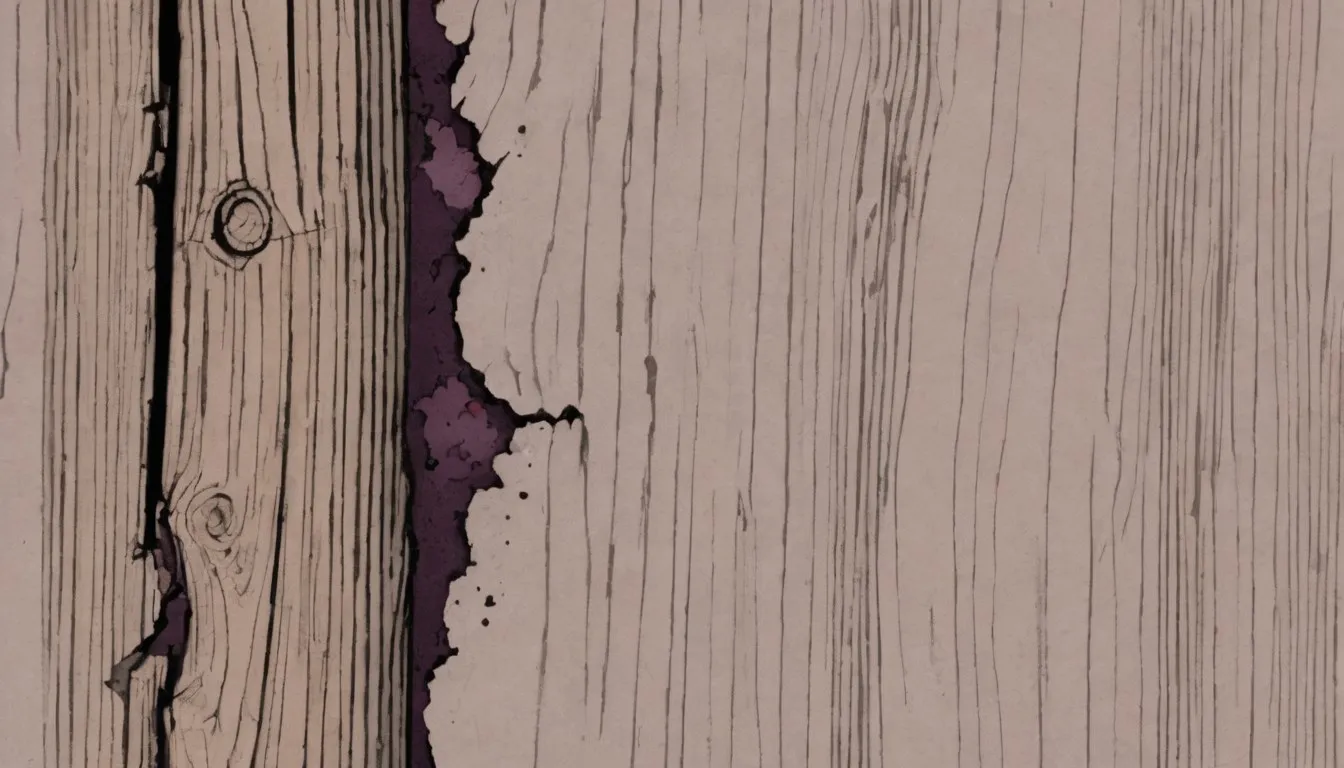
Mold is a surface grower. It shows up as flat, fuzzy or powdery patches in black, green, white, or sometimes an orange-pink, and it spreads across whatever it’s on (drywall, grout, wood, fabric) without really changing the material underneath. Scrape a little off and the surface below usually still looks like itself.
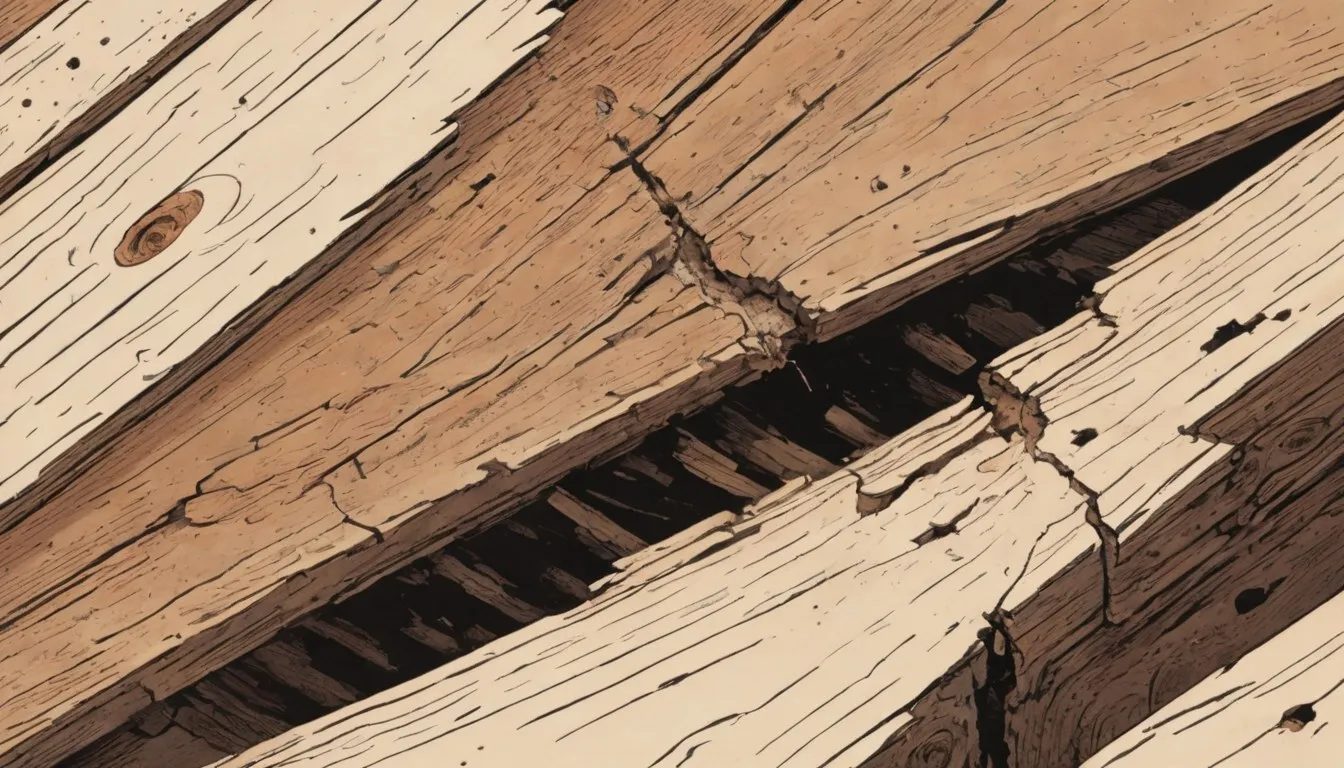
Dry rot looks stranger, and honestly more alarming once you know what you’re seeing. Instead of a flat patch, you’ll often find cotton-wool-like strands, called mycelium, spreading across the wood or even across masonry nearby. You might see a rust-red dust collecting in a corner or on a windowsill, that’s spore dust the fungus has released, and it can travel a surprising distance from where the rot started. And the wood itself, once you look closely, tends to crack into small, roughly cube-shaped chunks, a pattern with a name of its own (cuboidal cracking) that’s one of the most reliable visual signs there is.
If what you’re seeing is flat and fuzzy, lean mold. If you’re seeing stringy white growth, rust-colored dust, or wood that’s cracked into little cubes, lean dry rot.
Does it wipe off, or is it in the wood?
This is the test to start with if you only have a minute. Put on gloves, take a damp cloth with a little soap and water, and wipe the affected area.
Mold, in a lot of cases, will wipe away, or at least fade noticeably, because it’s living on the surface rather than inside the material. You’ll probably need more than one pass, and it may come back if the moisture behind it doesn’t get fixed, but you’ll see real change under the cloth.
Dry rot won’t budge. That’s because the fungus has already broken down the cellulose that gives wood its strength, changing the material itself rather than sitting on top of it. Wiping the surface does nothing to the damage underneath. If a cloth and some soap makes zero visible difference, that’s a real signal you’re past a cleaning problem.
Try the screwdriver test: does the wood crumble?
This test gives you a clear, physical answer instead of just a visual guess. Take a flathead screwdriver, an awl, or even a car key, and press the tip into the wood at the most affected spot, ideally somewhere a little hidden in case it leaves a mark.
- Wood feels firm, the tip barely sinks in: whatever’s growing there is probably surface-level. Even with visible mold, structurally sound wood underneath is a good sign.
- Wood feels spongy, crumbly, or breaks apart into dry, brittle chunks: that’s dry rot doing its work. The fungus has eaten through the fibers that once held the wood together, which is why it crumbles instead of splintering the way sound wood does.
If you want a second data point and don’t mind spending a little, a basic moisture meter (the pin kind runs well under $30) tells you the moisture percentage inside the wood, below the surface where a lot of the damage starts. Wood sitting above 20% moisture has crossed the safety margin builders use to guard against rot, and it’s a cheap way to confirm what your screwdriver is already telling you.
Can you have both at the same time?
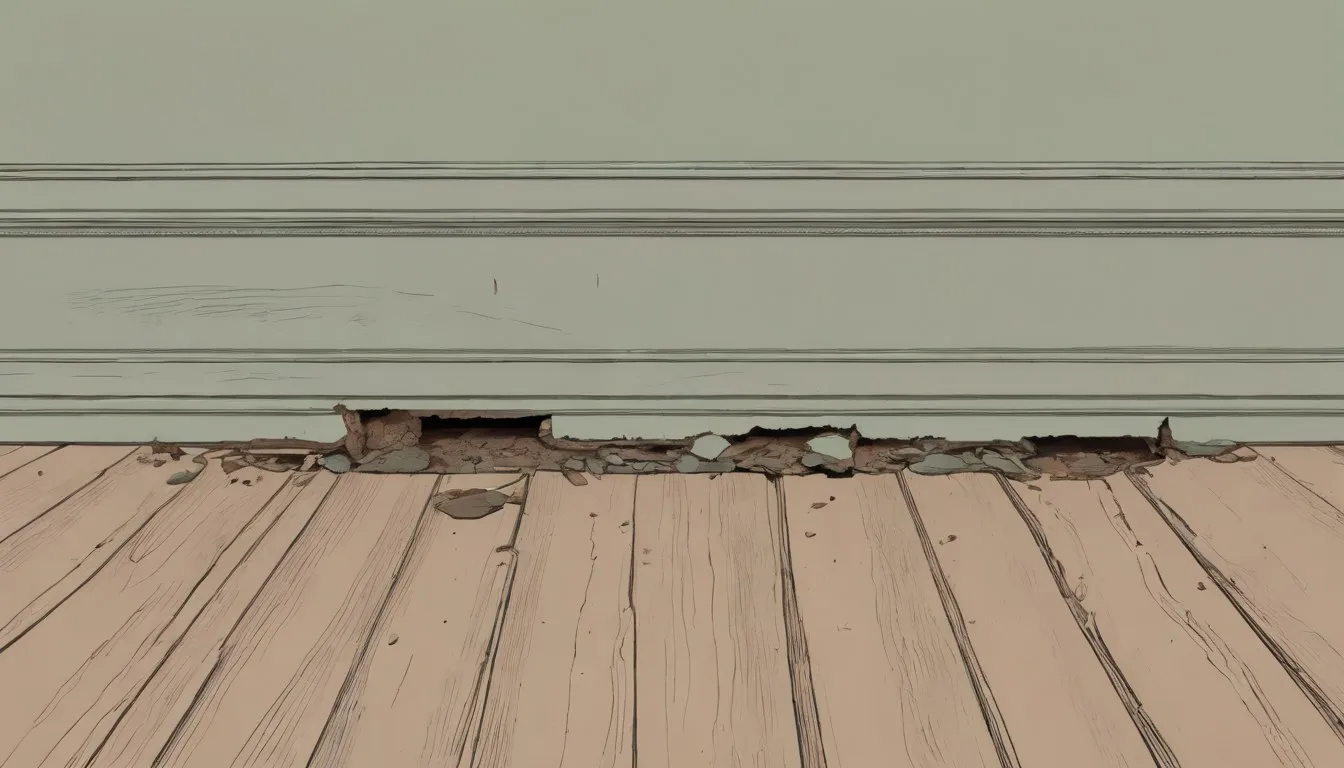
Yes, and it’s more common than you’d think. A window that’s been leaking for a year gives both mold and dry rot exactly what they need: steady moisture and organic material to feed on, drywall and wood trim for the mold, structural timber for the rot. It’s completely normal to find mold blooming on the drywall or trim around a leak while dry rot is quietly working through the framing timber a few inches behind it, out of sight until you pull back the wall.
So a “yes, it’s mold” verdict on the visible surface is rarely the end of the investigation, especially if the area has been damp for a while or the wood underneath fails the screwdriver test anywhere nearby. Pull back a little more drywall than you think you need to, and check the framing on both sides of the wet spot, not just the section directly behind it. And if what you’re finding doesn’t quite match either description here (soft and dark rather than crumbly and cube-cracked), it’s worth a look at how dry rot vs wet rot compares, since wet rot is a third lookalike that behaves differently from both.
Is one more dangerous to live with than the other?
They’re risky in different ways, which is part of why it’s worth knowing which one you’ve got.
Mold’s main concern is air quality. Common household species like Cladosporium and Aspergillus can trigger allergy-type symptoms: irritated eyes, a scratchy throat, worse breathing for people who are already sensitive, especially in a space with poor airflow. For most healthy people dealing with a small, contained patch, it’s a comfort and air-quality problem to fix promptly rather than an emergency, but anyone with asthma, allergies, or a compromised immune system should take even a small patch seriously and get it cleaned up right away.
Dry rot is a structural issue. Left alone, it keeps consuming the wood’s strength, and a joist or stud that’s failed the screwdriver test today can get materially weaker over the following months. It won’t make anyone cough, but it can affect what a piece of wood is able to hold up, which is a different kind of urgent. If you’re wondering how fast that clock runs, our guide to how fast dry rot spreads walks through the timeline once an infestation is established.
This is general wellness information, not medical advice. Talk to a healthcare professional about your specific situation. If you’re unsure about a structural element in your home, loop in a licensed contractor as well.
What should you do once you know which it is?
If it wiped off, the wood underneath is firm, and there’s no rust-colored dust or cube cracking anywhere close by, you’re almost certainly dealing with surface mold. For a small area, the EPA’s guidance is refreshingly low-tech: scrub it with plain detergent and water, let it dry completely, and fix whatever’s keeping that spot damp, a leaky seal, bad ventilation, a gutter dumping water where it shouldn’t. Run a fan or a dehumidifier in that room for a few days afterward, aiming to keep humidity under 60 percent, ideally between 30 and 50. That’s most of the job for a mold-only case, and it usually costs you an afternoon and the price of a bottle of detergent.
If the wood failed the screwdriver test, you’re past a wipe-and-fan situation. That calls for the full dry rot repair process: cutting out and replacing the affected timber, treating the surrounding wood, and most importantly, fixing the moisture source that let the fungus take hold in the first place, since new wood installed next to the same leak will just rot again. Our guide on how to get rid of dry rot walks through what treating an active infestation involves, and if you’re trying to figure out whether this is a weekend project or a call-someone-in project, our piece on dry rot repair contractors covers how to vet quotes and decide between DIY and hiring out.
Either way, you’ve done the hard part already: you got down on the floor and looked closely. Print out the two tests, smell and screwdriver, and go check that spot properly today. Five minutes now tells you exactly what you’re dealing with, and that’s worth more than another month of wondering.