Does Dry Rot Spread? What Decides Whether It’s Urgent
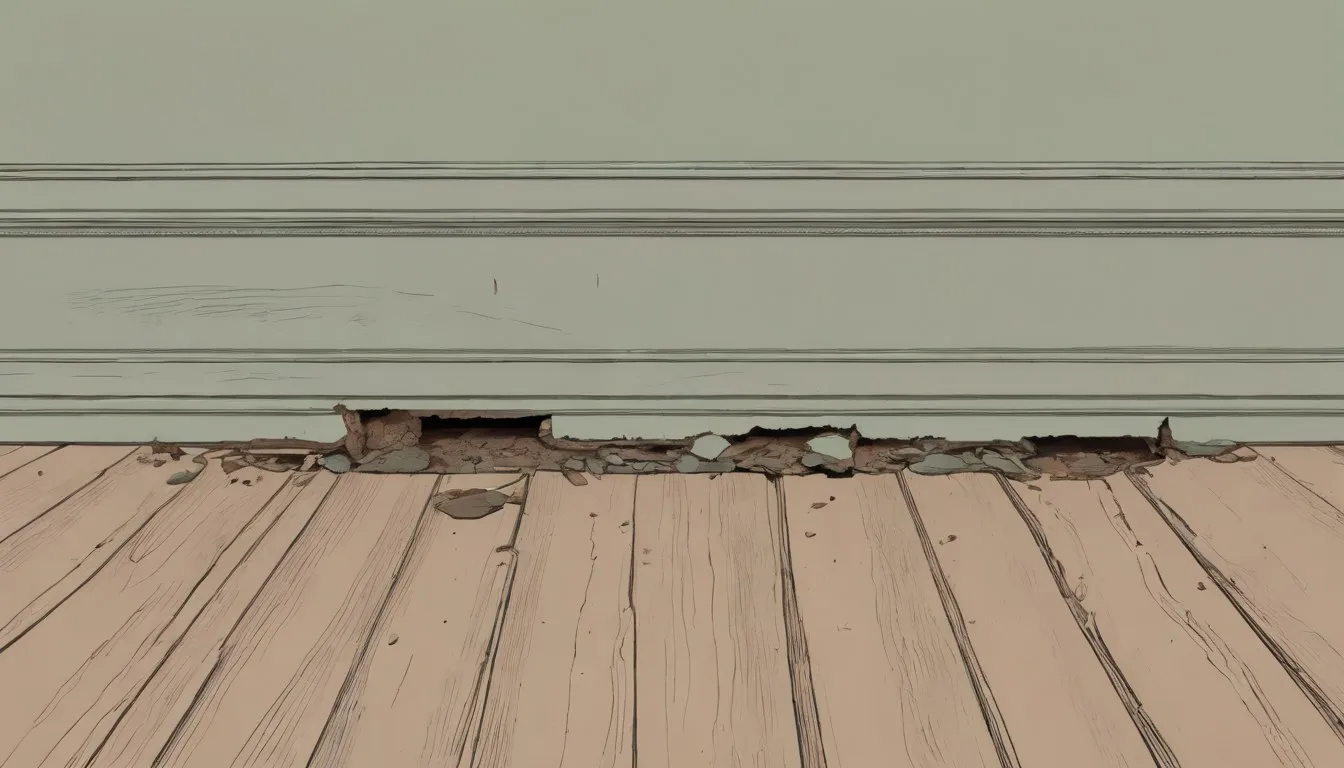
You’re on your knees in the cupboard under the stairs, thumb pressed half an inch into a skirting board that used to be solid wood. The question in your head is simple: can this wait two weeks until payday, or do you need to make a call tonight? That question comes down to one thing, whether dry rot is actively spreading right now, and how fast.
Does dry rot actually spread, or does it just sit there?
Yes, it spreads, and it does it differently than most wood problems you’ve dealt with before. True dry rot is caused by a specific fungus, Serpula lacrymans, and unlike a simple water stain or even wet rot, it doesn’t need the wood directly in front of it to stay wet to keep growing.
The fungus sends out root-like strands, sometimes called mycelium or rhizomorphs, that can carry moisture and nutrients forward into wood that’s dry enough it would never have started rotting on its own. That’s the mechanism that makes dry rot worth taking seriously: it can advance beyond the original damp patch under its own power, hunting for the next piece of timber to feed on.
How fast are we talking?
Several millimeters a day. That’s the pace once warm, damp, undisturbed conditions let the fungus settle in, and it adds up to real distance, sometimes meters, over a few months.
Picture a joist end that’s been sitting damp behind a boxed-in pipe for a season. At a few millimeters a day, that same colony can work its way along an entire floor void and turn up under boards three or four rooms away by the time anyone notices a soft spot above ground. In a cold, dry, well-ventilated space, that same fungus can sit almost dormant for a long stretch, sometimes years, waiting for conditions to tip back in its favor.
So the honest timeline is weeks to months for visible spread, not days. That’s usually enough breathing room to get a proper look at the problem before deciding what to do, rather than treating it as an overnight emergency. It is not, however, enough breathing room to ignore for a year and hope it sorts itself out.
What makes it spread faster (and what slows it down)
Dry rot needs a fairly specific set of conditions to take off, and every one of them is something in your house you can actually check.
- Moisture content above roughly 20 percent. That’s the rough threshold where softwood becomes vulnerable. Leaking gutters, a failed damp-proof course, condensation against a cold wall, or ground contact on a joist end are the usual culprits.
- Poor ventilation. Still, stagnant air behind paneling, under suspended floors, or in a closed-up cupboard gives the fungus a stable, humid microclimate to work in.
- Warmth. It grows fastest in a temperature range not far off room temperature, somewhere around 19 to 21 degrees Celsius.
- Darkness and undisturbed timber. A wall cavity or subfloor void that nobody looks at for months is ideal.
Reverse any of those and the fungus stalls. Dry the timber out, get air moving, break the moisture source, and growth slows dramatically or stops. That’s also the entire logic behind how to prevent dry rot, keeping moisture out of timber in the first place is a lot cheaper than fighting an active spread.
Can dry rot jump from wood to brick or concrete?
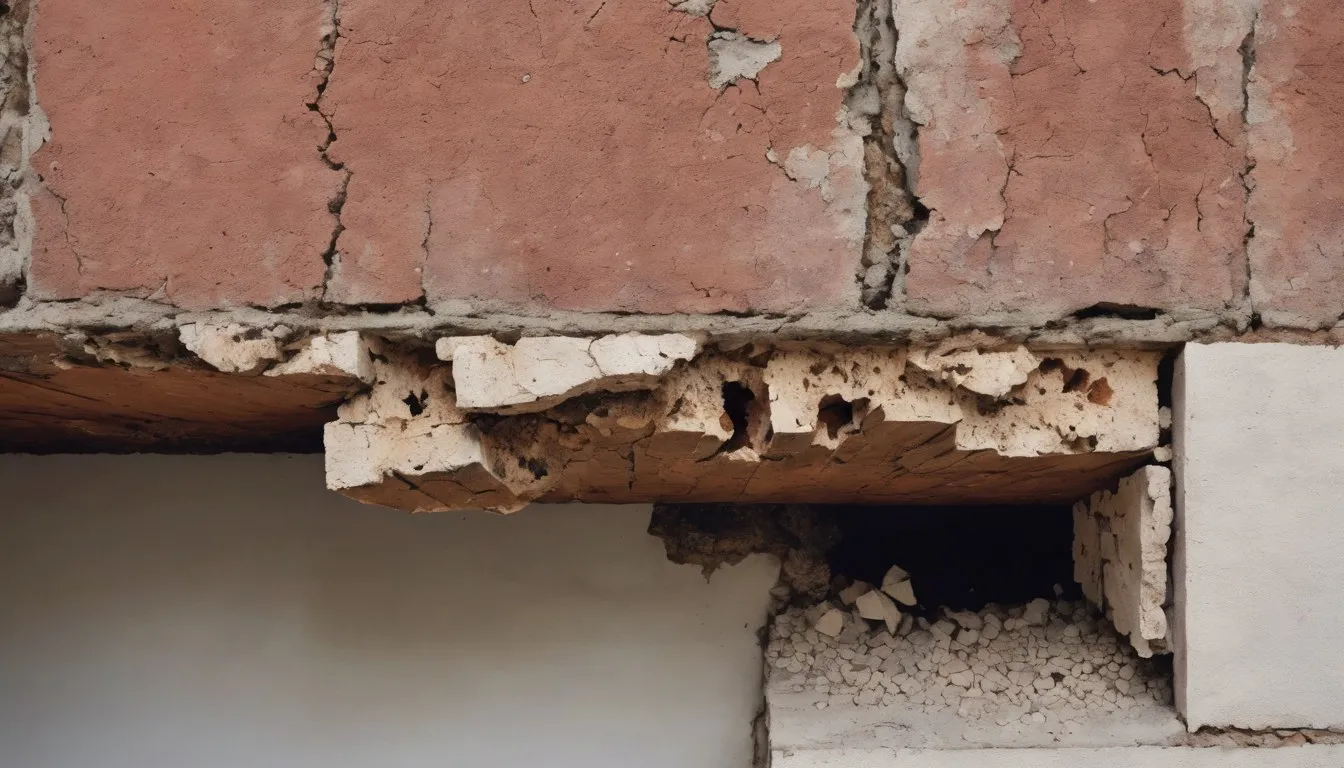
Yes, and this is the part that catches people off guard. Those same strands can travel across masonry, mortar joints, plaster, and behind renders, not just through wood. The fungus isn’t feeding on the brick itself, but it can use it as a bridge, drawing moisture through the material to reach a fresh piece of timber on the other side of a wall.
That’s why dry rot sometimes turns up in a room that has no obvious connection to the original problem, a skirting board three feet away with no shared plumbing, no shared leak, nothing that looks related. The strands got there on their own, through the wall. It’s also why a repair that only treats the wood and leaves the masonry untouched so often fails: the fungus can regrow a new set of strands out of brick that looks perfectly dry to the eye but is still carrying moisture through its pores.
How a surveyor confirms it’s still active
If you do bring someone in, it helps to know what they’re actually checking for, since a surveyor measures whether it’s still spreading rather than relying on a guess. Picture a moisture meter with a thin probe getting pushed into the wood at a handful of spots around the damage. It’s a simple enough check, but it tells you how far the wet zone actually reaches, which is almost always further than the soft patch you can see with your own eyes.
Where the rot runs behind paneling or under a floor, a surveyor may lift a board or drill a small inspection hole to look with a boroscope rather than assume based on what shows on the surface. Tapping suspect masonry with the handle of a screwdriver and listening for a hollow sound can flag where strands have been drawing moisture through brick or render. In some cases a sample of the growth gets sent off to confirm it’s genuinely Serpula lacrymans and not a look-alike wet rot or mold, since the treatment and the urgency differ quite a bit depending on which one you’re actually dealing with.
Signs it’s already spreading
A few things to look for beyond the original soft patch:
- A musty, mushroomy smell that wasn’t there before, especially in an enclosed space
- Discoloration or dampness creeping outward from the first spot you noticed
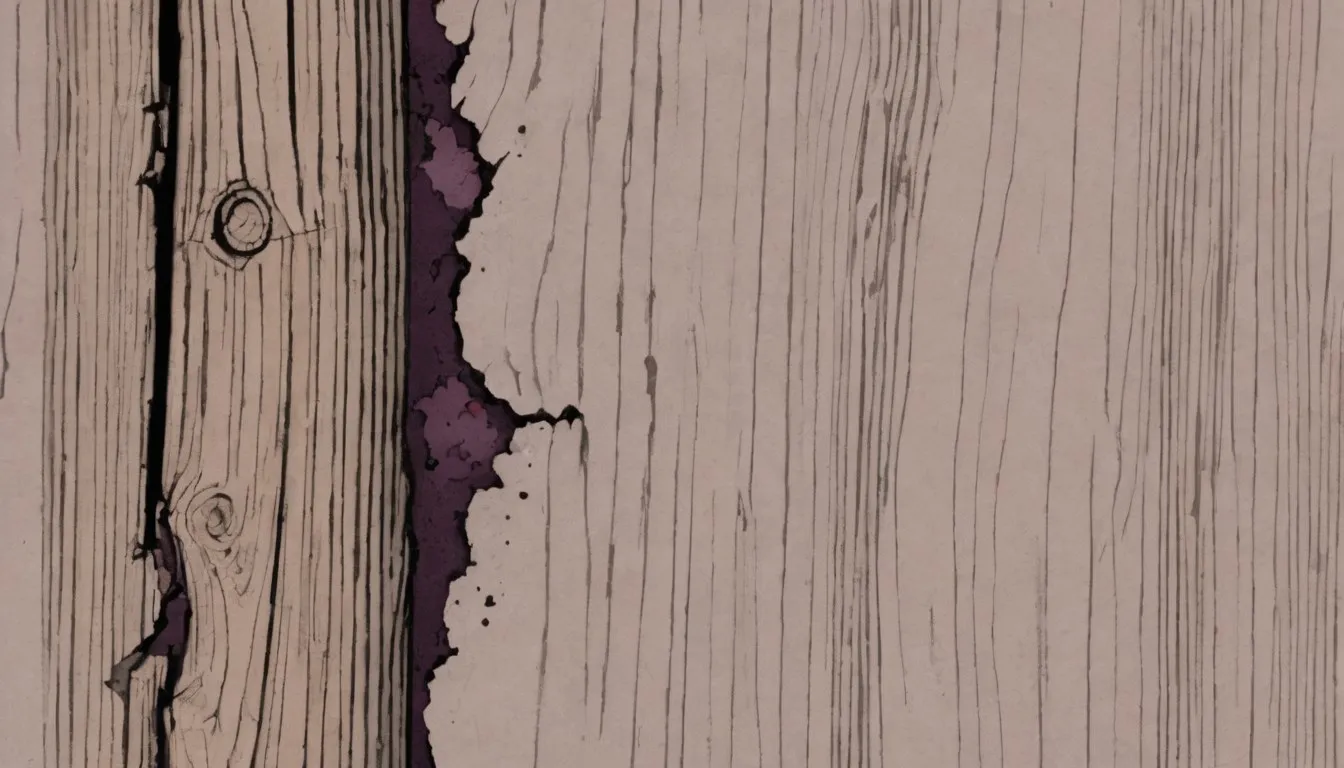
- Wood that’s cracked into small, cube-like chunks, known as cuboidal cracking, and crumbles when pressed
- Fine, cotton-wool-like white or grey growth on the surface of wood or nearby masonry
- A rust-red or brown dust settling on surfaces nearby, that’s fungal spores
- New soft spots appearing near, but not touching, the original damage
Any one of these on its own is worth a closer look. A few of them together, especially the cotton-wool growth or a new soft spot with no direct water source of its own, is a fairly reliable sign the fungus is on the move rather than sitting still.
Does cutting out the rotted section stop it from spreading further?
Only if you also fix the moisture problem and remove enough surrounding wood. Cutting out just the visibly soft, crumbly part and leaving the moisture source in place is close to pointless, the strands can already be present in wood that still looks and feels sound, well past the edge of the obvious damage.
Most repair guidance calls for removing timber well beyond where the rot is visible, not just trimming the soft bit, precisely because the fungus can be advancing ahead of where you can see or feel it. A common rule of thumb is to cut back to at least 300 to 500 millimeters past the last visible sign of infection, and further still if the timber runs into a damp wall cavity. Pair that with actually solving whatever let the wood get wet in the first place, and the spread stops. Skip the moisture fix, and even a generous cutout is just delaying the same problem. If you’re weighing whether the fungus can be knocked back for good rather than just cut around, the deeper look at killing and arresting dry rot covers what that process actually involves.
So how long do you actually have to deal with it?
This is really the question behind the question, and the honest answer depends on what you’re looking at.
A small patch, caught early, in a space that’s otherwise dry, with no active leak feeding it, can usually wait a couple of weeks while you get quotes lined up or wait for a paycheck. You’re reading the situation correctly if that feels manageable: a slow-moving patch like that genuinely can sit for a couple of weeks without getting meaningfully worse, as long as nothing new is feeding it moisture in the meantime.
What changes the math is an active, ongoing moisture source: a leak that’s still running, a damp patch that’s visibly growing week to week, or a musty smell that’s getting stronger rather than staying the same. Any of those means the clock is actually ticking, and putting it off tends to turn a smaller repair into a much larger one. That’s worth knowing before you start comparing quotes, since scope is one of the biggest things driving what actually shows up on a dry rot repair cost estimate.
What to do next
If you’re in wait-and-see territory rather than call-someone-today territory, the useful move is to actually watch it on a schedule instead of just glancing at it when you remember. Check the same spot, and the area immediately around it, once a week:
- Press the wood gently with a flathead screwdriver or your thumbnail, has the soft area gotten bigger since last week?
- Look at the boundary of any discoloration, has it moved outward?
- Sniff the space, is the musty smell stronger, weaker, or the same?
- Check nearby areas, walls, skirting, floorboards, for any new soft spots or white, thread-like growth
- If you can, take a photo each week from the same angle, side-by-side comparison catches slow change your memory won’t
If any of those checks come back worse two weeks running, that’s your signal to stop waiting and get someone in. If you’re still not fully sure what you’re looking at is dry rot rather than something else, the full rundown of what dry rot is walks through the identification basics before you spend money on the wrong fix.
The bottom line
Dry rot spreads, but it does it on a timescale of weeks and months, not hours. That gives you room to make a real decision instead of a panicked one. Fix the moisture, watch it weekly, and treat an active leak or a growing patch as your cue to act rather than a reason to worry harder. One check a week, same spot, same eye, is the single most useful thing you can do this week.