Using Bondo on Rotted Wood: When It Actually Works
You’re crouched by the porch rail, pressing your thumb into a spot that used to be solid oak and now gives like a stale marshmallow. Your neighbor leans over the fence and says the thing every neighbor says: “Just Bondo it.” He’s right that Bondo works. What he leaves out is which Bondo, and how dry that wood has to be first.
Bondo can fix rotted wood. It really can. But it only works on a specific kind of damage, done in a specific order, with a product that is not the one sitting on the shelf at eye level in the automotive aisle. Skip a step or grab the wrong tub, and you’ll be doing this again next spring, except now there’s a golf-ball-sized crater where your patch used to be.
So can you actually fix rotted wood with Bondo?
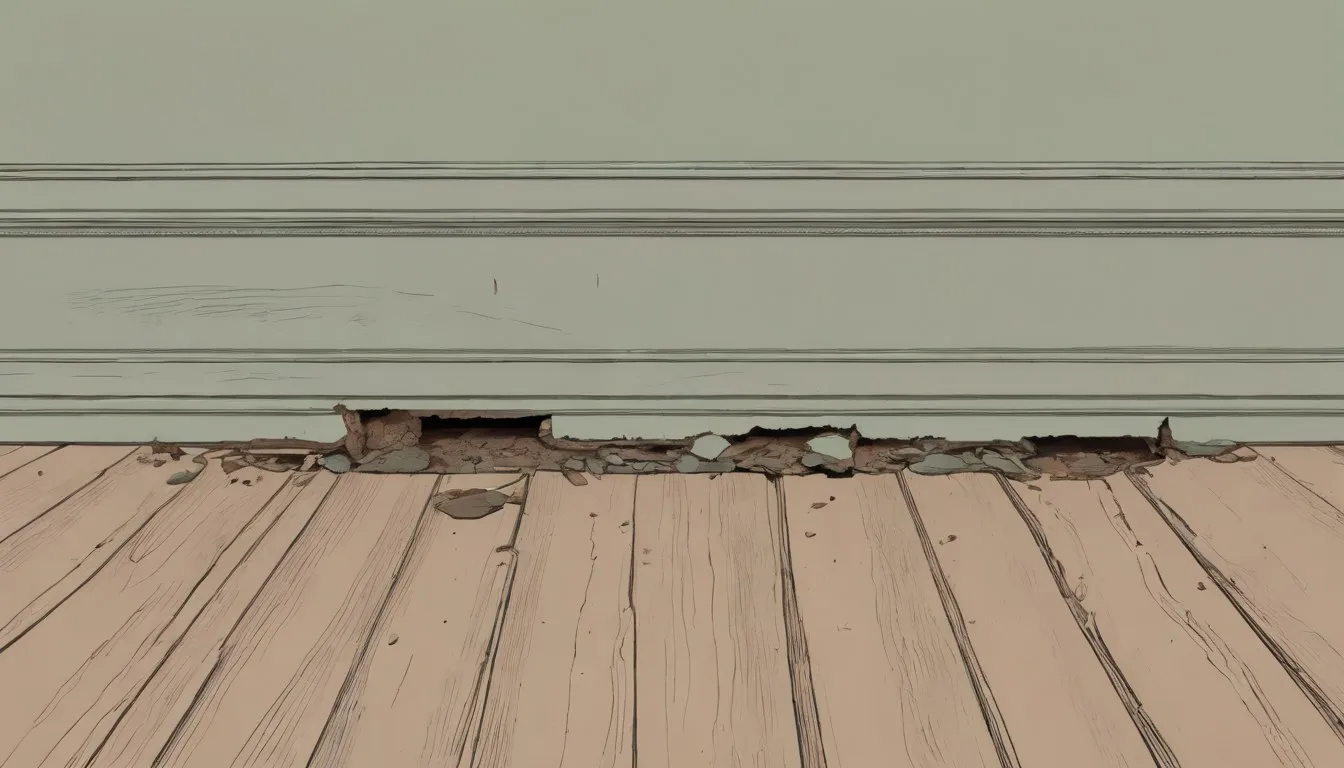
Yes, for small, dry, cosmetic spots. Think a soft patch at the bottom of a porch post, a chewed-looking corner on a window sill, a shallow gouge in a fascia board where water has been sitting behind a clogged gutter. If the rot is shallow (a quarter inch to maybe an inch deep), the wood around it is still structurally sound, and you can dry the area out completely before you start, Bondo will hold for years.
What it won’t do is rebuild a load-bearing post that’s gone soft all the way through, or stop rot that’s still active and spreading under the paint. Bondo is a filler. It closes the hole, but it doesn’t kill fungus, and it doesn’t add strength back to wood that’s lost its structure. Keep that distinction in your head for the rest of this and you’ll make the right call every time.
Wait, is there a difference between Bondo and “Bondo Wood Filler”?
This is the mistake that sinks most of these repairs before they start. “Bondo” is a 3M brand name, and the company sells more than one product under it. The classic red-and-blue can most people grew up seeing in a dad’s garage is auto-body filler, formulated to patch dented sheet metal. It’s stiff, sands to a glassy finish, and bonds beautifully to bare steel and fiberglass.
Wood moves. It expands and contracts with humidity and temperature in a way that metal panels don’t, and auto-body filler wasn’t built to flex with it. That’s why 3M also makes Bondo Wood Filler, a separate formula in the same family, made specifically to handle wood’s expansion and contraction and to take stain or paint the way trim is supposed to. If you grab the automotive can out of habit, the patch can crack loose from the surrounding wood within a season or two, especially somewhere that gets direct sun and rain.
Read the label before it goes in the cart. If it says “body filler” or shows a car on the can, put it back. You want the one that says wood filler, sold in the same aisle as wood putty and stainable fillers, not next to the primer and clear coat.
Do you need to harden the wood first?
If the wood around the damage still feels somewhat firm, you can probably skip this step. But if it’s spongy, punky, or crumbles when you dig at it with a screwdriver, filler alone won’t hold. Bondo needs something solid to grip. Pack it into wood that’s gone soft and spongy, and the bond fails from underneath, the filler stays intact but pops loose in one piece because the wood behind it never stopped giving way.
That’s where a wood hardener, sometimes called a consolidant, comes in. It’s a thin, penetrating resin (often a form of epoxy) that you brush or drip into the punky wood, where it soaks in and cures hard, essentially turning soft fibers back into something filler can actually bond to. You’ll typically apply it in two or three coats, letting each one soak in until the wood stops drinking it up, then give it a full day to cure before you touch it with filler. Skipping straight to Bondo on wood that’s still spongy is the single most common reason these repairs fail early. If you want a closer look at which hardener to buy and how the different formulas compare, the guide to wood hardener for rotted wood on this site walks through that in more depth.
One more thing worth checking before any of this: make sure the spot is actually dry. A cheap moisture meter will tell you in a few seconds. Both the hardener and the filler need dry wood to bond properly, and trapping moisture behind a fresh patch is a fast way to grow more rot underneath it where you can’t see it.
How to repair rotted wood with Bondo, step by step
None of this requires special tools beyond what’s probably already in a junk drawer, plus a putty knife and some sandpaper.
- Dig out everything loose. Use a screwdriver, chisel, or even a stiff wire brush to remove all the soft, crumbly wood. Keep going until you hit material that resists the tool. Don’t leave any punky wood behind out of a desire to save the shape; it’ll keep rotting under the patch.
- Let it dry. If the spot was actively wet, give it a few days in dry weather, or speed things along with a fan or heat gun on low, checking with a moisture meter until it reads dry.
- Apply wood hardener if the surrounding wood is soft. Brush it on generously, let it soak in, and repeat until the wood stops absorbing it. Let it cure fully, usually overnight, before moving on.
- Mix the Bondo Wood Filler. This is the step people rush, and it’s the one that actually matters most: you have to add the cream hardener from the tube, not just spread the filler alone. Skip the hardener and the filler stays soft and gummy no matter how long you wait. Mix only as much as you can use in about five minutes, since it starts setting up fast.
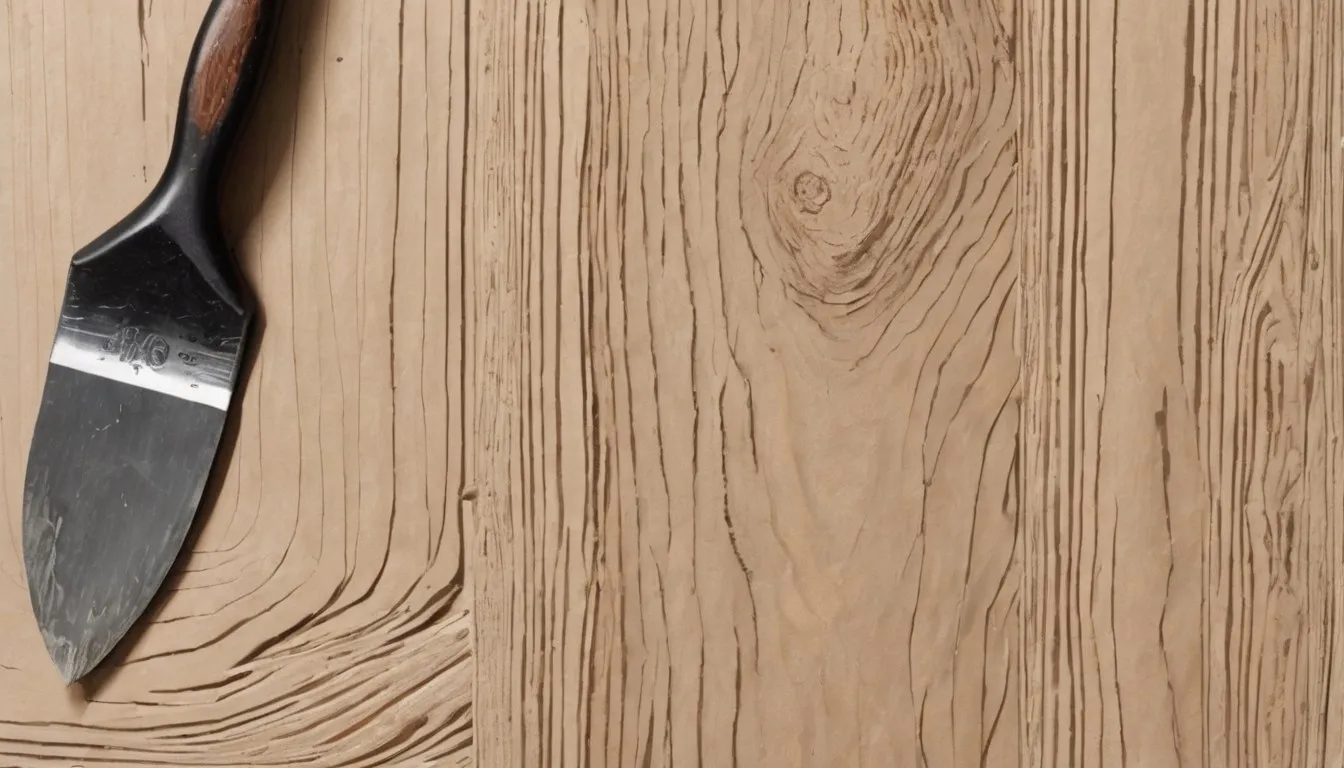
- Apply in thin layers. Press it into the cavity with a putty knife, building it up slightly proud of the surrounding wood. Thin layers cure more evenly and shrink less than one thick glob.
- Let it cure, then sand. Bondo Wood Filler is usually firm enough to sand within 30 to 45 minutes. Start with 80-grit sandpaper to knock down the bulk, then move to 120-grit to blend the edges smooth with the surrounding wood.
- Prime and paint. An exterior-grade primer seals the patch and gives the paint something even to grip. Skipping primer is how you end up with a repair that looks fine for a week and then shows a slightly different sheen where the filler is.
Total hands-on time for a repair the size of a fist, hardener step included, is usually under an hour spread across a day or two of cure time. It’s genuinely one of the more forgiving weekend fixes in home repair, as long as you don’t skip the drying and hardening.
How long does a Bondo wood repair actually hold up?
On painted trim, out of direct standing water, a properly done Bondo repair holds up well for several years. Realistically call it three to seven years depending on sun exposure and how well the paint film is maintained on top of it. That’s a genuinely useful window for a porch rail, a window sill, or fascia trim.
What it isn’t is a permanent fix in the way replacing the wood would be. Filler doesn’t have wood’s long-term weathering properties, and even a good patch will eventually show hairline cracking at the edges if the surrounding wood keeps moving with the seasons. Keep the paint intact and check the spot once a year, and you’ll get ahead of any recracking before water finds its way back in underneath.
When Bondo isn’t the right call
Here’s the honest line. If you push a screwdriver into the wood and it sinks in more than an inch or two with no resistance, or if the soft area is bigger than your palm, you’re just covering a problem that’s still spreading underneath the paint. Structural members like posts, beams, sill plates, or anything holding real weight need wood replaced or sistered in, not filled.
It also matters whether what you’re looking at is ordinary weather-driven decay or active fungal dry rot, which can keep spreading through wood even after you’ve painted over the surface. If you’re not sure which one you’re dealing with, it’s worth reading through what dry rot is before you reach for any filler at all, since the two need genuinely different responses. And if the softness goes deeper than a patch can reasonably cover, the fuller comparison of wood rot repair products on this site walks through when replacement, sistering, or a professional repair makes more sense than anything in a tub.
A good rule of thumb: if you’d trust the patched spot to hold a ladder against it, Bondo is probably fine. If you wouldn’t, don’t patch it, replace it.
Bondo vs a two-part wood epoxy: which one should you actually buy?
Bondo Wood Filler is the cheaper, faster option, and it sets up quick enough to sand within the hour. That makes it the right pick for small, shallow spots where you want to be done in an afternoon.
Two-part wood epoxies like PC Woody or Abatron WoodEpox cost more, and give you a longer working time (sometimes 20 to 40 minutes instead of five) before they start to set. They also bond more aggressively to the wood fiber itself and hold up somewhat better in repairs that see more flexing or moisture cycling, which is why they show up more often on window sills and door thresholds that take a beating. If you’re comparing options for a spot that’s borderline between “small cosmetic fix” and “I want this to really last,” the roundup of the best wood rot repair epoxy on this site breaks down which of those specific products earns its higher price tag.
For a quick, small, dry-climate repair, Bondo is the right tool and there’s no reason to pay more. For anything getting repeated soaking, or somewhere you really don’t want to redo the work in three years, spend the extra money on epoxy.
Quick answers
Is Bondo waterproof?
Cured Bondo Wood Filler resists moisture reasonably well once it’s sealed under primer and paint, but it isn’t meant to sit bare and exposed. Always seal it; unpainted filler will absorb water over time and can eventually fail.
Can you use Bondo outdoors?
Yes, that’s exactly what Bondo Wood Filler is made for, unlike the automotive version. Just plan to prime and paint it once it’s cured and sanded, the same as you would any exterior wood repair.
Does Bondo need primer?
Yes. Primer seals the porous filler, helps paint color and sheen match the surrounding wood, and protects the patch from the moisture cycling that eventually cracks unsealed repairs.
Can you drill or screw into cured Bondo?
You can, but it’s not ideal. Cured filler is more brittle than wood and can crack around a screw hole, especially near an edge. If you need to hang something at that exact spot, it’s worth backing the screw into solid wood a little to the side instead.
If you only take one thing from all this: dry the spot, harden it if it’s spongy, and don’t skip the cream hardener when you mix the filler. Get those three right and a Bondo repair on a small rotted spot is a genuinely solid weekend fix, not just a cover-up.